Alfresco Culinary Oasis: Designing a Functional Outdoor Kitchen
Create a versatile outdoor cooking and entertaining space that extends your living area
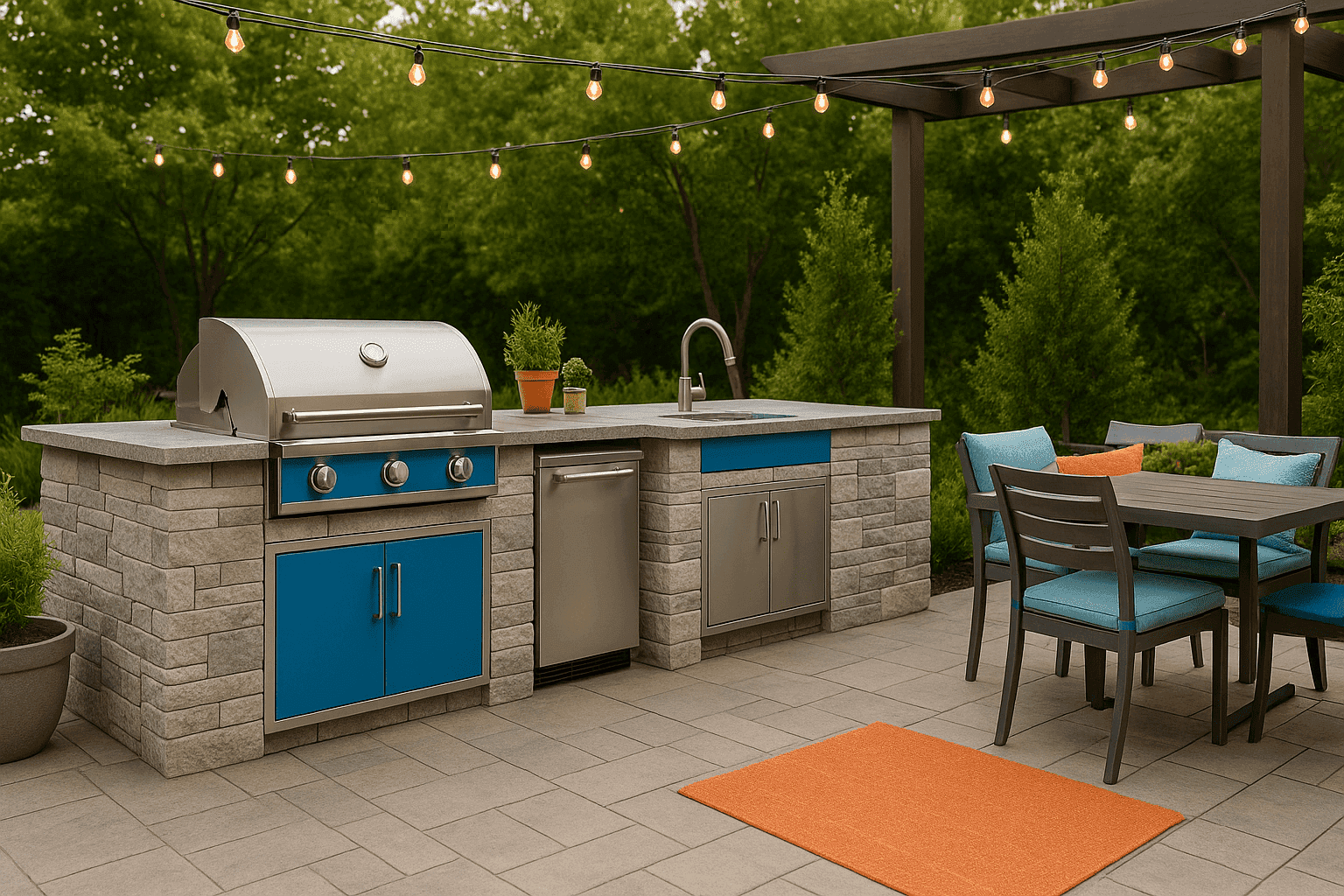
Outdoor kitchens have evolved from a simple grill on the patio to sophisticated cooking and entertaining spaces that extend your home's living area. Whether you're planning an elaborate built-in kitchen or a more modest grill station, thoughtful design ensures your outdoor cooking space is both functional and inviting. The key is creating a layout that supports efficient food preparation while facilitating social interaction—after all, the cook should be part of the gathering, not isolated from it.
Essential Components
| • Quality grill (built-in or freestanding) |
| • Weather-resistant countertops |
| • Storage cabinets and drawers |
| • Sink with running water (if possible) |
| • Refrigerator or cooler space |
| • Adequate lighting for evening cooking |
| • Comfortable seating nearby |
| • Weather protection (pergola, umbrella) |
Design Strategy
- Choose the right location: Position your outdoor kitchen close enough to your indoor kitchen for convenient trips back and forth, but far enough from the house to prevent smoke from entering open windows. Consider prevailing winds when placing the grill.
- Plan an efficient layout: Apply the kitchen work triangle concept outdoors by arranging your grill, sink/prep area, and refrigeration to minimize steps between them. Include adequate counter space on both sides of cooking areas.
- Select durable materials: Choose weather-resistant, low-maintenance materials like stainless steel, marine-grade polymer cabinets, and concrete, granite, or composite countertops that can withstand temperature fluctuations and exposure to elements.
- Install proper utilities: Plan for necessary gas, water, and electrical connections early in the design process. Include GFCI outlets for small appliances and adequate lighting, particularly over cooking and prep areas.
- Create a social atmosphere: Design the space to facilitate conversation between the cook and guests with bar-height seating facing the cooking area or an adjacent dining space within easy viewing distance.
For those not ready to invest in a full outdoor kitchen, create a modular setup that can evolve over time. Start with a quality freestanding grill and a weather-resistant prep cart or table, then add components as budget allows. Consider portable elements like a bar cart for drinks and a rolling cooler that can be stored when not in use. Incorporate ambiance with strategically placed string lights, lanterns, or solar path lights that illuminate the cooking and dining areas while creating atmosphere. Don't forget to include accessible storage for outdoor dining essentials, cooking tools, and fuel to minimize trips indoors during meal preparation.