Autumn Abundance: Plant Fall Veggies
Extend your harvest season with cool-weather crops that thrive when summer gardens wind down!
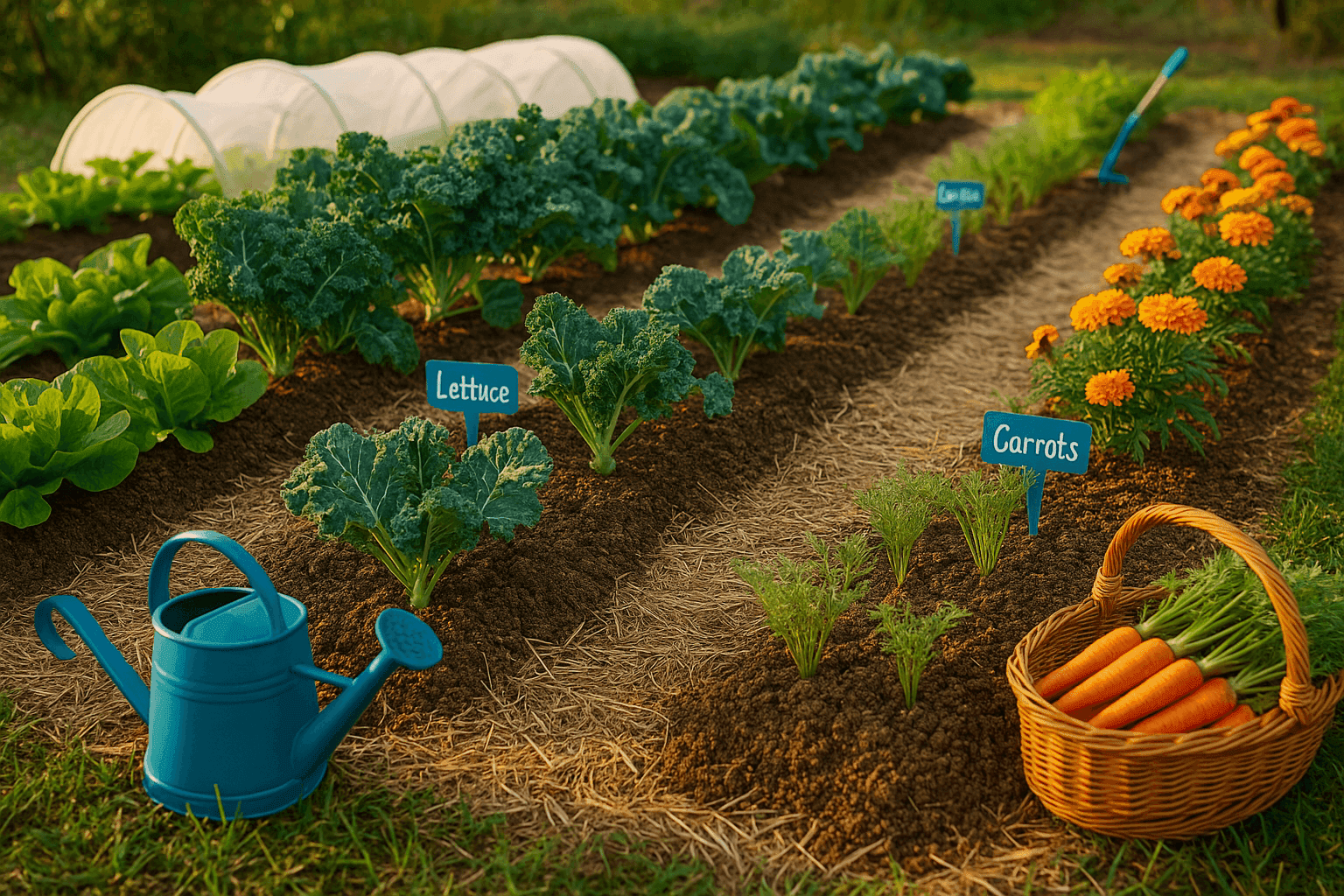
The first time I planted a fall garden, I felt like I'd discovered a secret that other gardeners were keeping from me – while everyone else was mourning the end of tomato season, I was harvesting the sweetest, most tender greens I'd ever grown. Cool-weather vegetables planted in late summer actually taste better than their spring counterparts because they mature in gradually cooling temperatures that concentrate their flavors and sweetness. There's something deeply satisfying about pulling fresh kale and carrots from the garden in October while your neighbors are buying wilted greens from the store. This late-season planting costs around $20-30 in seeds but provides months of fresh vegetables that taste infinitely better after a light frost has kissed them with natural sweetness.
What You'll Need
- Cool-Season Seeds: Lettuce, spinach, kale, arugula, radishes, carrots (~$15-20)
- Soil Preparation: Compost or aged manure, balanced fertilizer for fall feeding
- Planting Tools: Hand cultivator, seed planter, measuring tape for spacing
- Protection Materials: Row cover fabric, mini hoop tunnels for extending season
- Watering Supplies: Soaker hose or gentle sprinkler for consistent moisture
- Season Extension: Cold frame materials or temporary greenhouse cover
Step-by-Step Method
- Calculate your first frost date and count backwards to determine optimal planting time
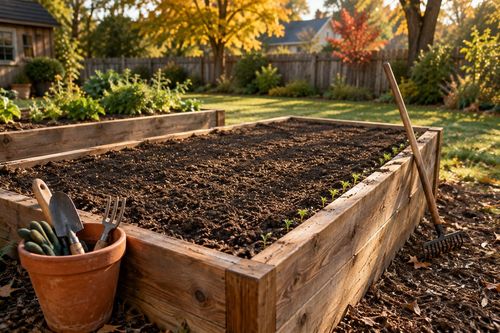
- Prepare beds by clearing summer crops and refreshing soil with compost
- Plant seeds according to packet directions, typically 8-12 weeks before first frost
- Water consistently during germination period, keeping soil evenly moist but not soggy
- Thin seedlings when they reach 2-3 inches tall for proper spacing and growth
- Mulch around plants to retain moisture and regulate soil temperature
- Monitor growth and prepare protection for when temperatures start dropping
- Harvest continuously through fall and even early winter with proper protection
Master gardeners know that fall vegetables actually improve with light frost – kale becomes sweeter, carrots develop more complex flavors, and Brussels sprouts taste their best after cold exposure. Start with quick-growing crops like radishes and lettuce for early harvests, then rely on longer-season vegetables like carrots and leeks for winter eating. Also, succession plant lettuce every two weeks for continuous harvests, and always keep row cover handy for unexpected early freezes that could damage tender crops!