Backyard Canvas: Paint a Garden Fence Mural
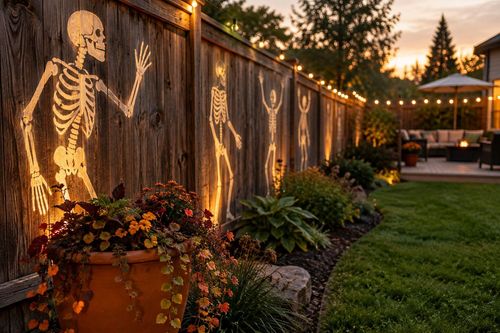
Transform your boring fence into neighborhood-stopping outdoor art that brings joy every day!
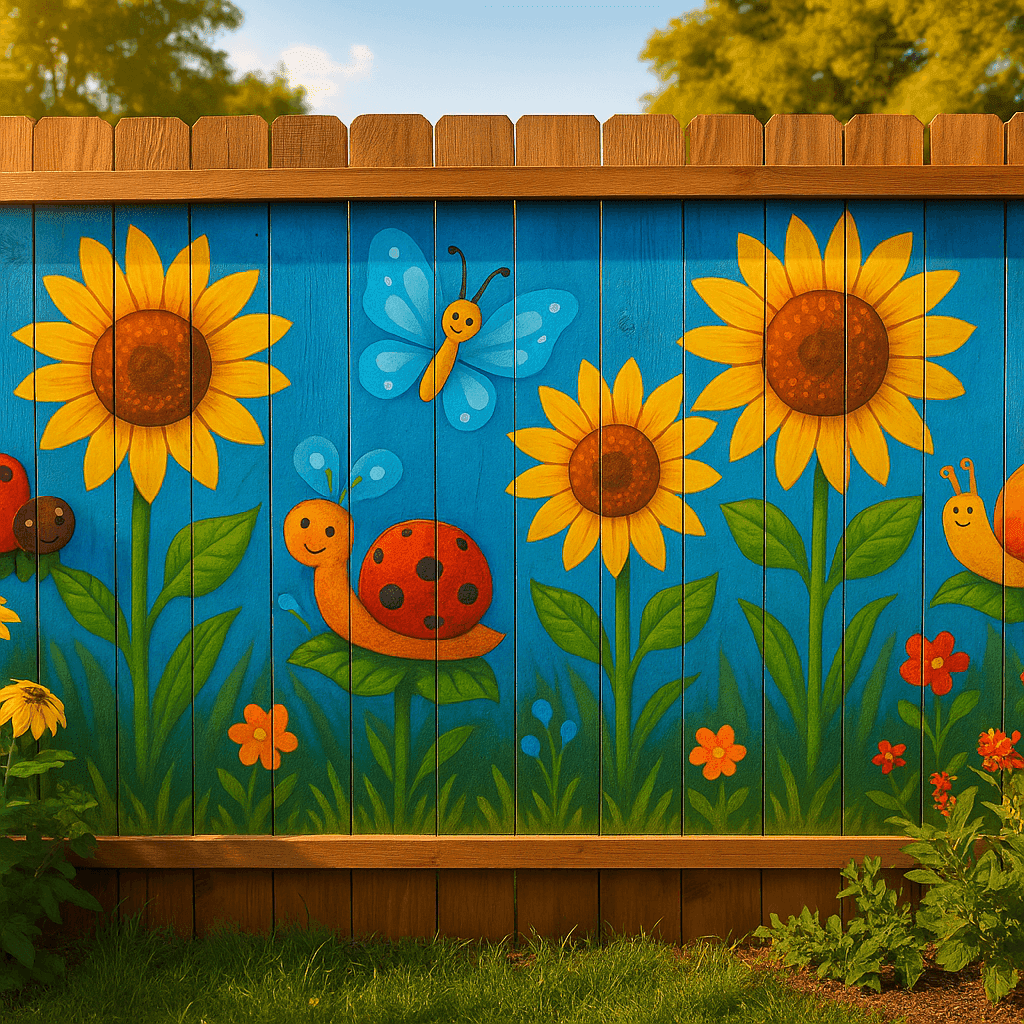
Your fence doesn't have to be just a boundary – it can be a masterpiece! I've painted murals on three different fences over the years, and each one completely transformed not just my yard, but the whole neighborhood's mood. There's something magical about turning a plain wooden barrier into a canvas that tells a story or brings a smile to everyone who passes by. This project is perfect for families because everyone can contribute, from sketching ideas to painting details. Plus, at around $50 in supplies, it's way cheaper than hiring a muralist and infinitely more rewarding.
What You'll Need
- Base Materials: Exterior primer (~$15), acrylic exterior paint in 4-6 colors (~$30)
- Brushes & Tools: Various brush sizes (flat and round), foam brushes, paint rollers for base coat
- Design Supplies: Pencil, chalk, measuring tape, level, painter's tape
- Prep & Clean-up: Pressure washer or scrub brush, drop cloths, paint thinner, rags
- Weather Protection: Clear outdoor sealer or polyurethane (~$12)
- Optional Extras: Stencils for perfect shapes, projector for transferring complex designs
Step-by-Step Method
- Clean your fence thoroughly with pressure washer or scrub brush to remove dirt, mildew, and loose paint
- Plan your design on paper first, measuring fence sections to scale for proper proportions
- Prime the entire mural area with exterior primer – this step makes colors pop and last longer
- Sketch your design lightly with chalk or pencil, starting with large shapes and basic composition
- Paint background colors first using broad strokes, then work forward to foreground details
- Layer details gradually, letting each section dry completely before adding the next element
- Touch-up any uneven areas and clean up edges with a small detail brush
- Seal your finished mural with clear outdoor sealer to protect against weather and fading
Professional muralists always paint in sections rather than trying to complete the entire design at once. Work in 4-6 foot sections, and finish each completely (including sealer) before moving to the next. This prevents color inconsistencies and ensures weather doesn't damage unfinished work. Also, photograph your progress – you'll want documentation of this masterpiece, and it helps you remember color mixes if you need touch-ups later!