Basement Workshop Heater: Year-Round DIY Comfort Solutions
Transform your cold basement into a comfortable workspace that invites creativity all winter long
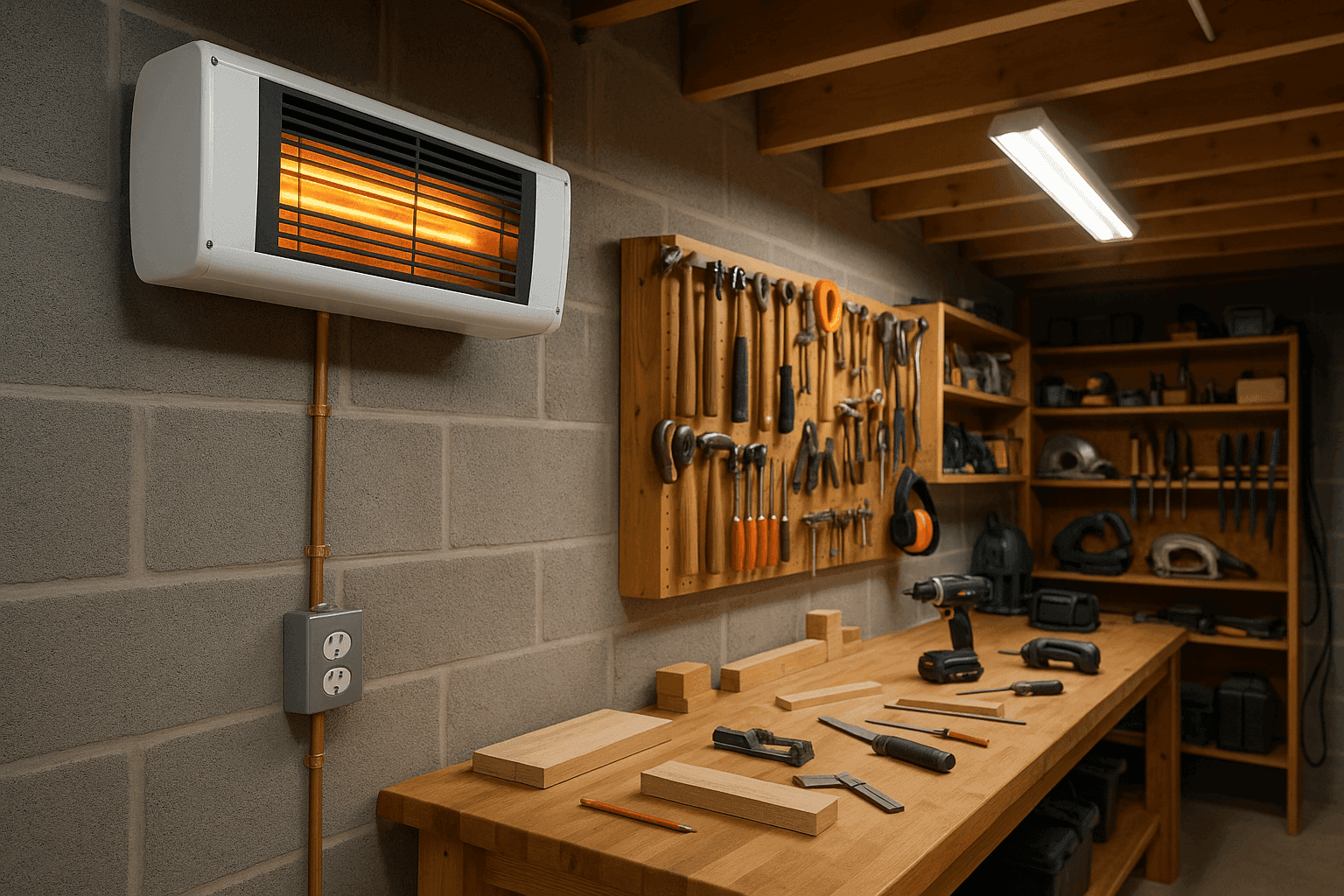
A cold basement workshop becomes a seasonal storage space rather than the year-round creative haven it could be, forcing DIY enthusiasts to abandon their projects when temperatures drop and condensation makes tools rust. Installing proper heating transforms your basement from a fair-weather workspace into a comfortable retreat where you can tackle projects regardless of the weather outside. The key is choosing heating solutions that work efficiently in below-grade spaces while managing moisture concerns that can damage both tools and materials. With the right approach, you can create a consistently comfortable environment that extends your DIY season indefinitely while protecting your investment in tools and equipment.
Heating System Options
- Electric Heaters: Wall-mounted electric units ($150-400), portable space heaters with safety features, radiant floor heating mats
- Mini-Split Systems: Ductless heat pumps for year-round climate control, energy-efficient cooling and heating (professional installation)
- Radiant Options: Electric baseboard heaters, infrared ceiling panels, heated workbench surfaces
- Moisture Control: Dehumidifier with drain connection, vapor barriers, ventilation fans
- Installation Materials: Electrical wire and conduit, wall anchors, thermostats, GFCI outlets
- Safety Equipment: Carbon monoxide detectors, smoke alarms, fire extinguisher rated for electrical fires
Installation Process
- Assess electrical capacity and upgrade service panel if needed to handle additional heating load safely
- Choose heating type based on workshop size, insulation level, and intended use patterns
- Install GFCI outlets near planned heater locations, following local electrical codes and permit requirements
- Mount wall heaters at appropriate height (6-8 feet) away from work areas and storage
- Connect electrical supply using proper gauge wire and conduit protection for basement moisture conditions
- Install programmable thermostat to maintain consistent temperatures and manage energy costs
- Add dehumidifier system to manage moisture levels and prevent condensation on tools
- Test all safety systems and ensure adequate ventilation for any combustion-based heating options
Professional workshop designers create "heating zones" rather than trying to heat the entire basement – focus heating on your primary work area and tool storage zones while allowing temperature to drop in less-used storage areas. Install a ceiling-mounted infrared heater directly over your main workbench to provide instant, targeted warmth exactly where you're working, supplemented by a wall-mounted electric heater for general area warming. This zoned approach reduces energy costs while ensuring comfort where it matters most, and infrared heat won't be affected by air movement from shop tools.