Budget Bathroom Revival: Transform Your Space with Paint
Breathe new life into tired bathrooms with the power of color and finish
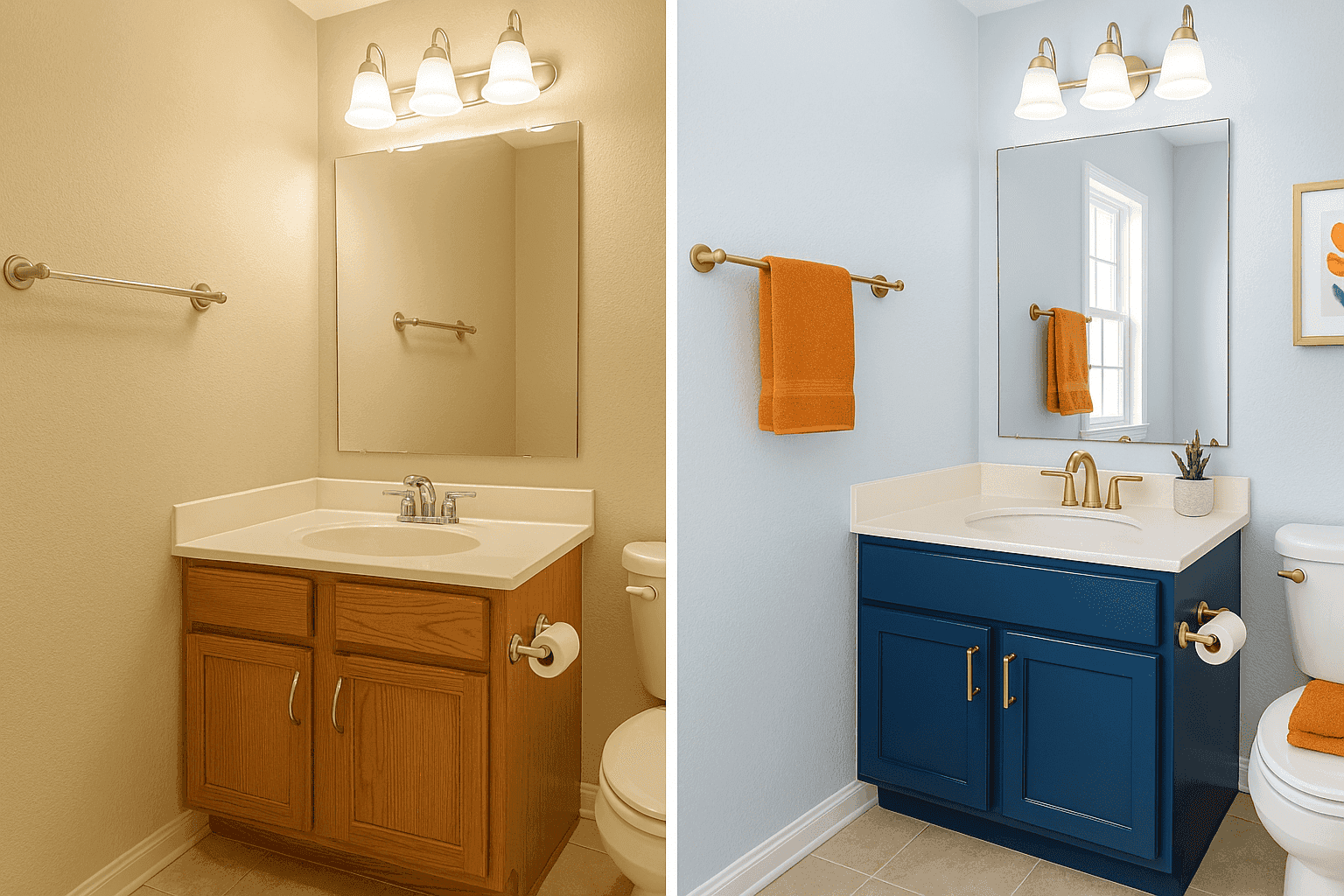
Paint is the ultimate budget-friendly bathroom makeover tool. With just a few gallons of the right products, you can completely transform walls, update dated tile, refresh tired vanities, and even revitalize fixtures. This weekend project delivers professional-looking results that can make your bathroom feel brand new without the cost of a full renovation.
What You'll Need
| Bathroom-specific wall paint (mildew-resistant) |
| Cabinet/vanity paint (oil-based or acrylic enamel) |
| Tile paint (if updating tile) |
| Primer (suitable for your surfaces) |
| Sandpaper (220 grit for cabinets) |
| TSP cleaner for preparation |
| Paintbrushes (angled and straight) |
| Small foam rollers |
| New hardware for cabinets (optional) |
How To Do It
- Prep thoroughly - Remove all hardware, clean surfaces with TSP to eliminate soap scum and oils, and allow to dry completely.
- For vanity/cabinets - Lightly sand surfaces with 220-grit sandpaper, wipe clean, then apply a bonding primer designed for glossy surfaces.
- For walls - Fill any holes, sand smooth, and apply painter's tape around fixtures, trim, and the ceiling line before priming.
- For tile - Use a specialized tile primer after thorough cleaning, then apply tile-specific epoxy paint with a foam roller for smooth results.
- Paint walls first - Apply 2 coats of mildew-resistant bathroom paint, allowing proper drying time between coats.
- Paint cabinets - Use thin, even coats of cabinet paint (2-3 coats), applying with a foam roller and using a brush for details and corners.
- Allow proper curing time - Follow manufacturer's instructions for full curing—usually 3-7 days before heavy use, especially for cabinets and tile.
- Reassemble and style - Install new or cleaned hardware, rehang cabinet doors, and add fresh accessories to complete your new look.
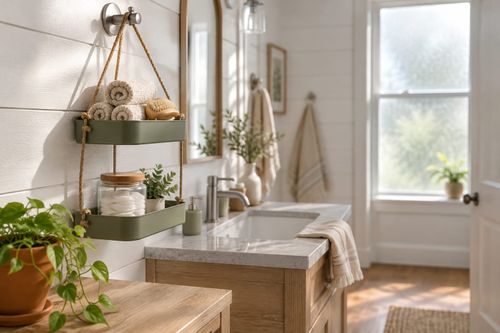
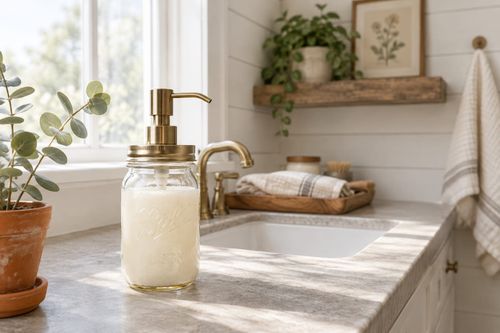
Consider color psychology when selecting your bathroom palette. Blues and greens create a spa-like atmosphere that feels clean and tranquil. For small bathrooms, light colors like soft blue-grays or warm whites visually expand the space, while semi-gloss or satin finishes reflect light better than matte. As a finishing touch, try using a contrasting accent color for one small element (like a mirror frame or small storage cabinet) to add designer flair without overwhelming the space.