Cabinet Clarity: Transform Chaos Into Functional Organization
Create safe, efficient bathroom storage in just twenty minutes
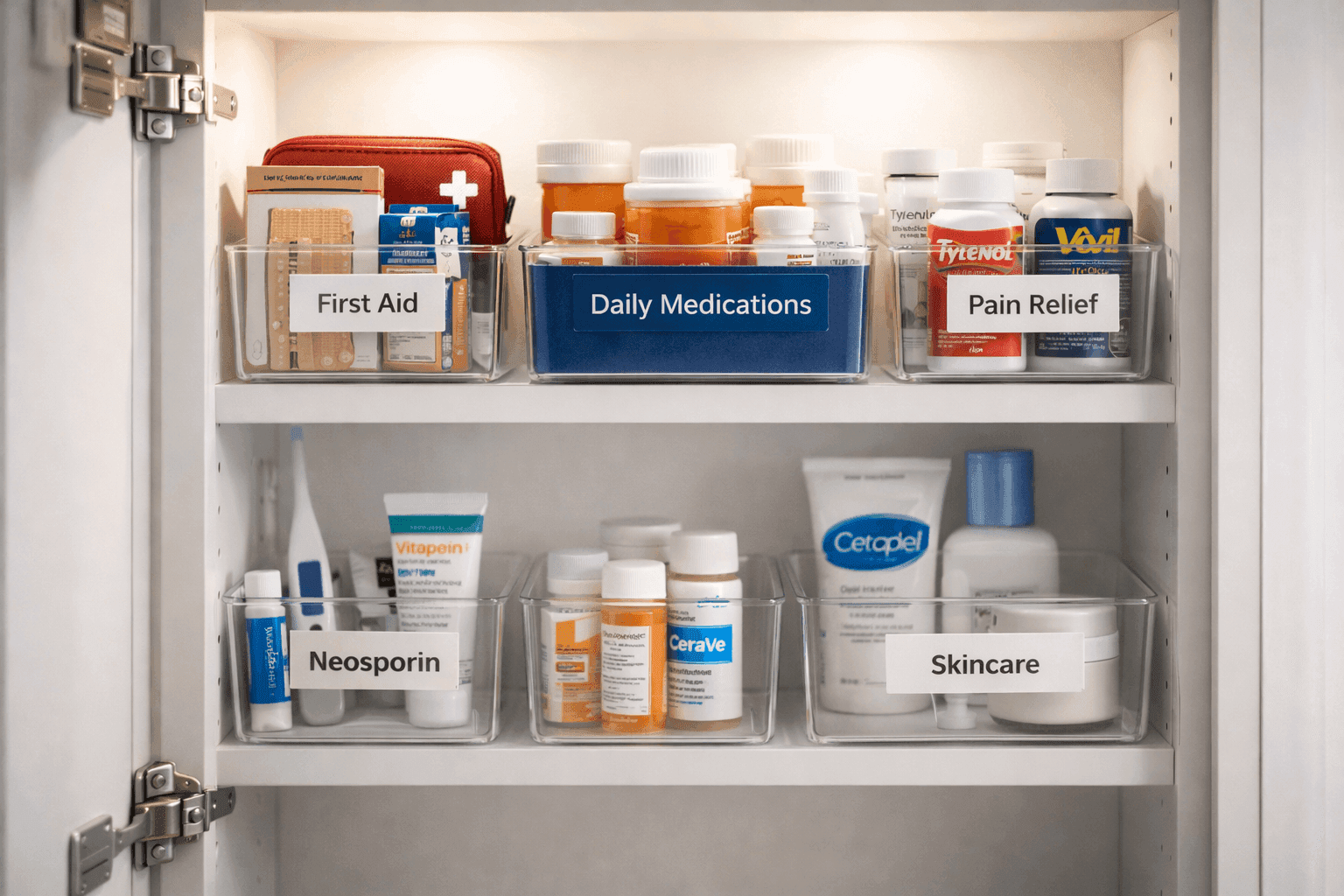
Medicine cabinets evolve into chaotic catch-alls where expired medications mix with current prescriptions, first aid supplies hide behind random beauty products, and finding anything during morning routines or actual emergencies requires excavating through layers of bottles you haven't touched in years. This disorganization isn't just inconvenient—it's potentially dangerous when you can't quickly locate needed medications, when expired products get used accidentally, or when important dosage information becomes separated from pills removed from original containers. Twenty minutes of focused organization transforms these cluttered spaces into functional systems where every category has its designated zone, frequently-used items sit at eye level for easy access, and emergency supplies group together in grab-and-go containers that eliminate panicked searching during crises. Beyond safety and efficiency, organized medicine cabinets reduce waste by making inventory visible before you buy duplicates of items you already own, extend product shelf life by storing items properly rather than letting them roll around getting damaged, and create calmer morning routines when you can locate what you need without rifling through multiple shelves hunting for that one bottle you know is somewhere in the chaos. This quick reset costs nothing beyond small organizing bins if you don't already own suitable containers, yet produces dramatic improvements in daily function that make bathrooms work better for everyone using them rather than causing frustration every single time someone needs basic health or beauty supplies.
What You'll Need
- Organization Containers ($8-15):
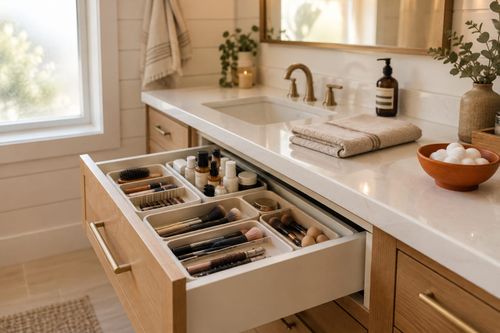
- Small bins, baskets, or drawer organizers
- Clear containers show contents at a glance
- Size appropriately for your cabinet dimensions
- 3-5 containers typically sufficient
- Cleaning Supplies:
- Disinfecting wipes or spray cleaner
- Paper towels or cleaning cloths
- Trash bag for discarding expired items
- Labeling Materials (optional, $2-3):
- Label maker or printable labels
- Permanent marker and masking tape
- Small tags for bins
- Logical Categories:
- Daily medications and vitamins
- Pain relievers and fever reducers
- First aid supplies (bandages, antibiotic ointment)
- Cold and allergy medications
- Skincare and beauty items
- Dental care products
Organize Your Cabinet
- Empty your entire medicine cabinet onto a nearby surface so you can see exactly what you own—this comprehensive inventory often reveals duplicates, forgotten items, and expired products you didn't know were taking up valuable space.
- Check expiration dates ruthlessly, discarding anything past its date, dried out, or clearly unusable—expired medications lose potency or become dangerous, making them worthless clutter rather than emergency supplies you can trust when needed.
- Wipe down all cabinet shelves with disinfecting wipes or spray cleaner, removing accumulated dust, spills, and residue that builds up over months or years of daily use without periodic deep cleaning.
- Group remaining items by logical categories that match how you actually use products—daily medications together, pain relievers together, first aid supplies together—creating zones that make finding specific items intuitive rather than requiring memorization.
- Designate small bins or baskets for each category, keeping related items contained so they don't migrate across shelves or hide behind unrelated products during daily retrieval and replacement cycles.
- Position frequently-used items at eye level for easiest access during rushed mornings, placing less-used items higher or lower where they remain accessible but don't occupy prime real estate needed for daily essentials.
- Store medications in original containers whenever possible, preserving dosage information, expiration dates, and usage instructions that become separated and lost when pills get transferred to unmarked weekly organizers or generic bottles.
- Relocate bulky items like extra toilet paper, cotton swabs, and backup supplies to under-sink storage, freeing valuable medicine cabinet space for items you genuinely need quick access to multiple times daily.
Professional organizers recommend creating a dedicated first aid container—a small bin or box holding bandages, antibiotic ointment, gauze, medical tape, and basic wound care supplies—that you can grab entirely and bring to wherever someone got hurt rather than making multiple trips retrieving individual items during stressful moments. For households with children, store dangerous medications (prescription drugs, strong pain relievers) on the highest shelf completely out of reach, using child-safety locks on cabinets if kids are particularly curious or climbing-prone. Consider storing medications in cool, dry locations rather than steamy bathrooms when possible—heat and humidity from showers degrade many medications faster than their expiration dates suggest, reducing effectiveness when you actually need them. Label shelves or bins clearly with categories written on tape or small tags, especially helpful in shared bathrooms where multiple people need to navigate systems without constantly asking where things belong. Implement a "first in, first out" rotation system where newly purchased items go behind existing stock, ensuring older products get used before expiration rather than sitting forgotten while you open fresh bottles of the same medication. Schedule twice-yearly medicine cabinet reviews (perhaps when you change smoke detector batteries or adjust clocks for daylight saving) to remove expired items and reorganize before chaos accumulates back to overwhelming levels that require another complete overhaul rather than simple maintenance cleaning that keeps systems functional indefinitely once properly established.