Cool Workshop: Garage Cooling Upgrade
Transform your sweltering garage into a comfortable workspace that's usable all summer long!
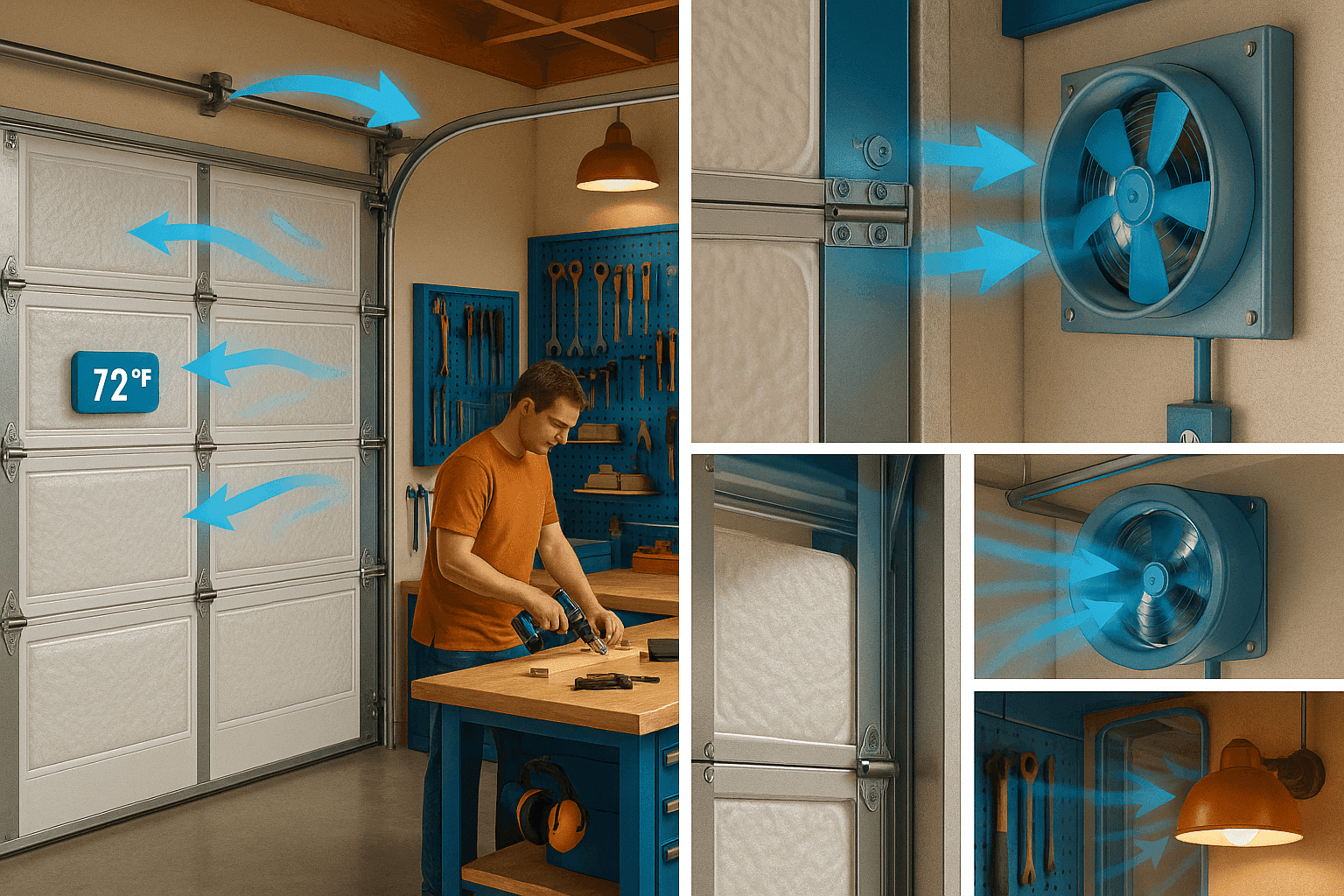
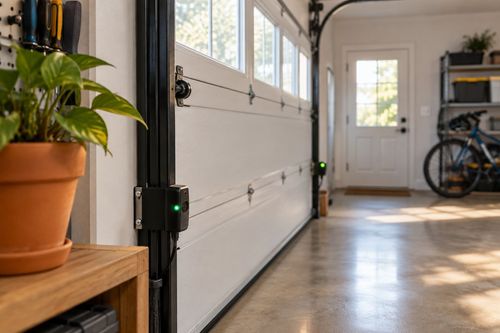
My garage used to be completely unusable from June through September – stepping inside felt like entering a blast furnace that made any project impossible. After installing garage door insulation and a powerful wall fan two summers ago, I've reclaimed 400 square feet of workspace that stays surprisingly comfortable even on 95-degree days. The temperature difference is dramatic: what used to hit 120°F now maxes out around 85°F, making it actually pleasant to work on projects, exercise, or just organize without breaking into an immediate sweat. This upgrade costs $150-300 depending on your approach, but it literally doubles your home's usable space during peak summer months while protecting stored items from extreme heat damage.
What You'll Need
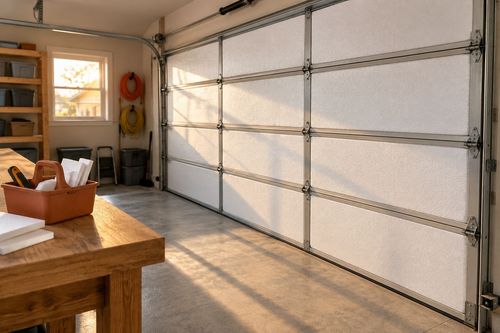
- Door Insulation: Reflective foil insulation kit (~$50-80) or foam board panels cut to fit
- Ventilation: Wall-mounted exhaust fan (20-24 inch, ~$100-150) or ceiling fan if height allows
- Installation Hardware: Adhesive strips, screws, electrical wire if hardwiring fan
- Tools: Measuring tape, utility knife, drill with bits, level, stud finder
- Electrical Supplies: GFCI outlet if needed, wire nuts, electrical tape for safe connections
- Optional Upgrades: Weatherstripping for door seals, window tinting film, floor fans for air circulation
Step-by-Step Method
- Measure garage door panels precisely and cut insulation to fit each section with slight overlap
- Clean door surface thoroughly to ensure proper adhesion of insulation materials
- Install insulation starting from bottom panels, working upward to prevent sagging
- Seal edges with reflective tape to eliminate thermal bridges and air gaps
- Plan fan placement for optimal airflow – typically opposite corner from main entry door
- Mount exhaust fan securely to wall studs with proper electrical connections and outdoor hood
- Test all systems and adjust fan speed settings for different weather conditions
- Add weatherstripping around door frames to prevent hot air infiltration from outside
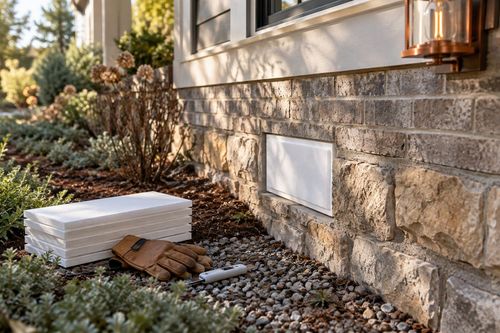
HVAC professionals recommend creating cross-ventilation by adding intake vents low on one wall and exhaust fans high on the opposite wall – hot air rises and gets pulled out while cooler air flows in naturally. Also, consider a two-speed fan with a thermostat control that automatically kicks in when temperatures rise above 80°F. The combination of insulation to block heat and active ventilation to remove it creates the most comfortable garage environment possible!