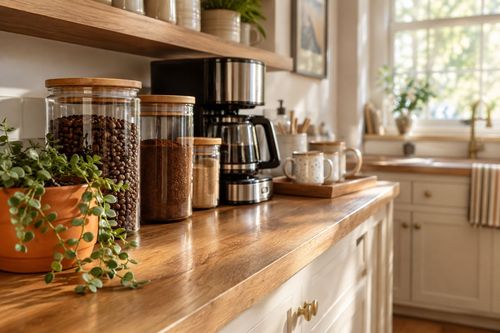
Space-Savvy Dining: Creating a Stylish Breakfast Bar
Transform kitchen counters into casual, functional dining spaces
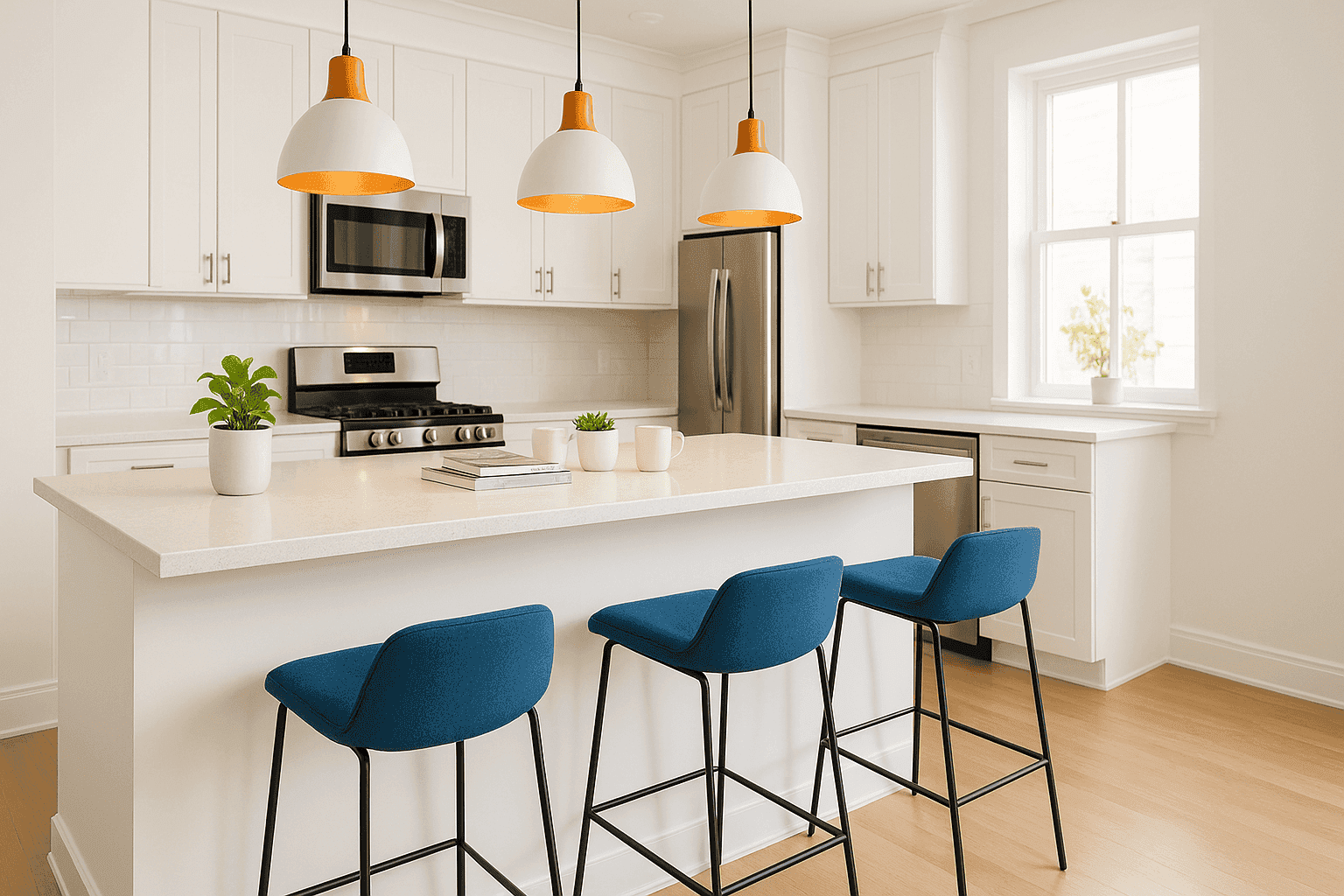
Breakfast bars offer the perfect solution for casual dining, additional workspace, and social gathering spots—all while taking up minimal space. Whether you're working with a small apartment kitchen or looking to add functionality to a larger space, a well-designed breakfast bar creates a versatile zone that transitions seamlessly from morning coffee to evening homework station or cocktail hour with friends.
Materials & Options
| Counter extension materials (matching or contrasting) |
| Support brackets or base cabinets |
| Bar-height stools or chairs |
| Pendant lighting fixtures |
| Electrical supplies for outlets/lighting (if needed) |
Implementation Options
- Peninsula Extension: Extend an existing counter peninsula with an overhang of 12-15 inches for seating on one side.
- Island Addition: If space allows, install a standalone island with an overhang for bar stool seating.
- Wall-Mounted Bar: Install a narrow countertop (12-16 inches deep) along an underutilized wall at bar height (42 inches).
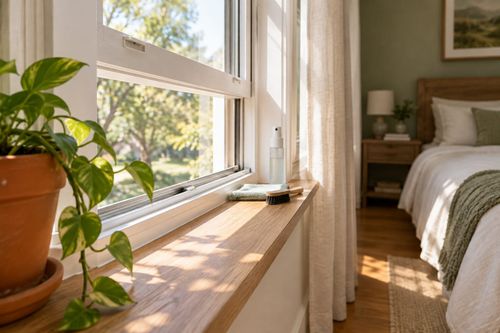
- Window Conversion: Transform a deep windowsill into a breakfast bar with appropriate support brackets.
- Room Divider: Create a two-sided breakfast bar between kitchen and living areas in open floor plans.
When designing your breakfast bar, consider proper seating clearance: allow 24 inches of width per person and at least 15 inches of knee clearance beneath the counter. For visual impact, use pendant lights hung 28-34 inches above the counter surface to define the space. If your breakfast bar serves as a room divider, consider installing outlets on the face of the bar for convenient device charging. For smaller spaces, look for backless stools that can tuck completely under the counter when not in use.