Creative DIY Garden Markers: Organize Your Plants in Style
Craft beautiful, personalized labels for your herbs, vegetables, and flowers
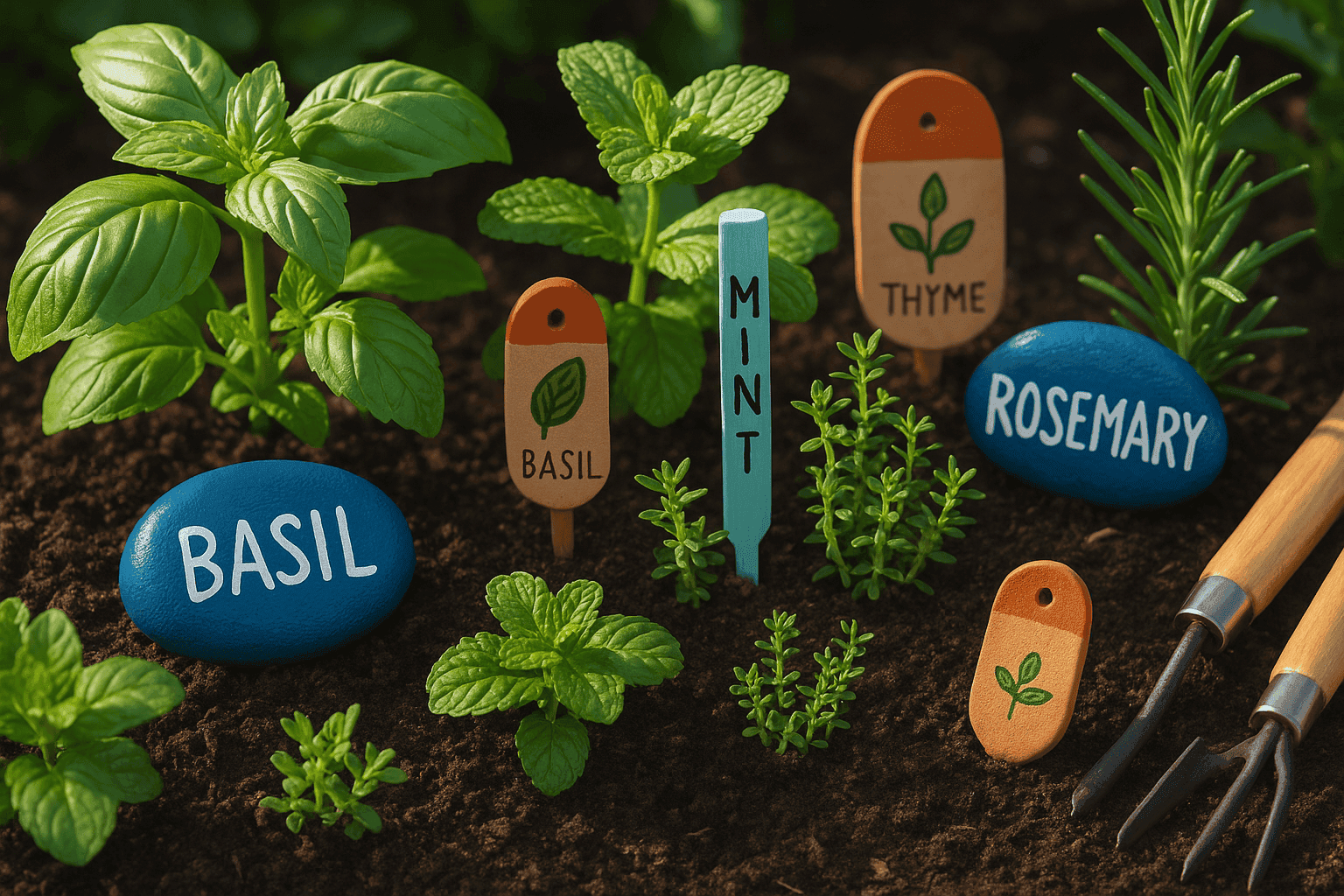
Garden markers do more than just help you identify your plants—they add personality and charm to your garden while keeping everything organized. Whether you're growing herbs on a windowsill, tending a vegetable garden, or cultivating a flower bed, custom garden markers help you track what's planted where while expressing your creative style. With just a few simple materials, you can craft markers that are as beautiful as they are functional.
What You'll Need
| For Painted Stone Markers: |
| • Smooth, flat stones |
| • Acrylic craft paint |
| • Fine-tip paint pens |
| • Clear sealer spray |
| For Wooden Stake Markers: |
| • Wooden craft sticks or paint stirrers |
| • Sandpaper |
| • Acrylic paint or wood stain |
| • Permanent markers or paint pens |
| • Outdoor sealer |
| For Clay Markers: |
| • Air-dry or oven-bake clay |
| • Letter stamps or carving tools |
| • Acrylic paint |
| • Clear glaze |
| • Wooden skewers or floral wire |
How To Do It
- Painted Stone Markers:
- Clean and dry stones thoroughly
- Apply a base coat of paint and let dry
- Use paint pens to write plant names and add decorative designs
- Seal with 2-3 coats of clear spray for weather protection
- Place directly in soil next to plants
- Wooden Stake Markers:
- Sand wooden pieces smooth and wipe clean
- Paint or stain the wood, leaving the pointed end natural for soil insertion
- Write plant names with paint pens or permanent markers
- Apply 2 coats of outdoor sealer to protect from moisture
- Press stakes firmly into soil beside plants
- Clay Tag Markers:
- Roll clay to 1/4 inch thickness and cut into desired shapes
- Stamp or carve plant names and decorative elements
- Create a hole at the top for wire or string
- Allow to dry or bake according to package instructions
- Paint if desired and seal with clear glaze
- Attach to stakes with wire or hang on plant containers
- Upcycled Spoon Markers:
- Flatten old metal spoons with a hammer (optional)
- Use metal stamps to imprint plant names, or write with permanent marker
- Seal with clear coating to protect writing
- Bend the handle slightly downward for easier reading
- Push handle into soil with the labeled bowl facing up
For herb gardens, consider creating a cohesive set of markers that includes both the common and botanical names of each plant, along with a small illustration of its leaf or flower shape. This not only adds an educational element to your garden but also helps identify plants even before they've fully grown. Use a consistent color palette across all your markers to create a polished, coordinated look that enhances rather than distracts from your beautiful plants. For vegetables, consider adding the expected harvest date to help with garden planning.