Fresh Facade: How to Paint Your Fence or Shed for Instant Curb Appeal
Transform weathered wood structures with a bright new color scheme
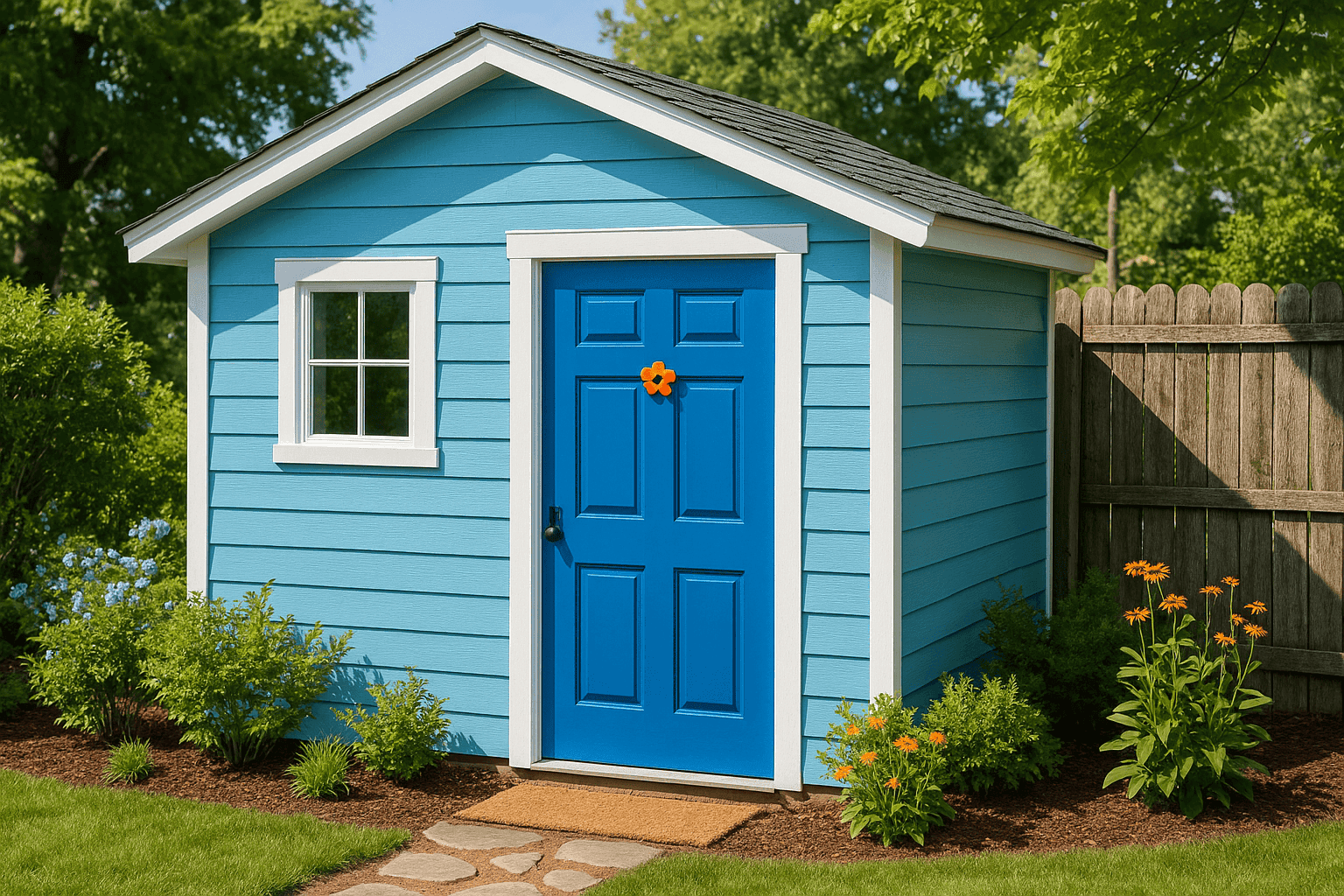
Few outdoor improvements make as dramatic a difference as painting a weathered fence or shed. What was once a dull, gray backdrop becomes a vibrant feature that enhances your entire yard. This weekend project requires some preparation and elbow grease, but the results are transformative—adding color, protecting the wood from further deterioration, and significantly boosting your home's curb appeal. With the right approach, your refreshed outdoor structures will look professionally finished and remain beautiful for years.
What You'll Need
| • Exterior paint or stain (water or oil-based) |
| • Exterior primer (if painting) |
| • Paint brushes (various sizes) |
| • Paint rollers with extension pole |
| • Paint sprayer (optional, for large areas) |
| • Pressure washer or garden hose with nozzle |
| • Wood cleaner/brightener |
| • Sanding blocks or electric sander |
| • Sandpaper (medium and fine grit) |
| • Painter's tape |
| • Drop cloths or plastic sheeting |
| • Wire brush |
| • Putty knife and wood filler |
| • Screwdriver (to remove hardware) |
| • Paint stirrer and bucket |
| • Safety gear (gloves, eye protection, mask) |
How To Do It
- Check the weather forecast: Choose a period of 2-3 dry days with temperatures between 50-85°F (10-29°C) and moderate humidity. Avoid painting in direct sunlight or on windy days.
- Prepare the area: Remove items leaning against the fence/shed, trim back vegetation, and cover nearby plants, walkways, and fixtures with drop cloths or plastic sheeting.
- Remove hardware: Take off removable items like door handles, hooks, hinges, and light fixtures. This provides cleaner edges and prevents paint splatters on hardware.
- Clean thoroughly: Wash the surface using a pressure washer on low setting or a garden hose with a strong nozzle. For stubborn dirt or mildew, apply a wood cleaner/brightener and scrub with a stiff brush before rinsing thoroughly.
- Allow to dry completely: Let the wood dry for at least 24-48 hours until moisture content is low enough for proper paint adhesion.
- Repair damaged areas: Replace any rotted boards. For minor damage, scrape away loose wood, sand rough spots, and fill holes or cracks with exterior wood filler. Allow repairs to dry completely before proceeding.
- Sand surfaces: Sand the entire structure lightly with medium-grit sandpaper, followed by fine-grit for a smooth finish. Focus extra attention on rough or peeling areas. Wipe away all dust with a damp cloth.
- Apply primer (for painted finishes): Use an exterior primer specifically designed for wood. This step is crucial for previously unpainted wood or when changing colors dramatically. Apply in thin, even coats following the wood grain.
- Paint or stain the surface:
- For stain: Apply with a brush, roller, or sprayer, working in the direction of the wood grain. Wipe excess stain with a clean cloth before it dries.
- For paint: Start at the top and work downward. Paint one section at a time, maintaining a "wet edge" to prevent lap marks. Apply 2-3 thin coats rather than one thick coat.
- For fences: Paint posts first, then horizontal rails, and finally pickets or panels.
- For sheds: Paint trim and detailed areas with a brush, then use a roller for larger flat surfaces.
- Allow proper drying time: Follow manufacturer's recommendations between coats, typically 4-6 hours for water-based products and longer for oil-based.
- Reattach hardware: Once the final coat is completely dry (usually 24-48 hours), reattach hardware and remove any protective coverings.
For a truly designer-worthy approach to painting outdoor structures, consider using a strategic color scheme that integrates with your overall landscape design. A shed doesn't have to be a simple one-color structure—treat it like a miniature house with a main color for walls, complementary trim color, and even an accent color for doors or decorative elements. For fences, consider how the color will interact with your plantings; light colors make greenery pop, while darker tones create a sophisticated backdrop that makes flowers stand out. In contemporary landscapes, try painting just selected fence panels or creating a gradient effect across multiple panels for an artistic statement. Remember that colors appear more intense outdoors in natural light, so test your chosen shades on a small section first and view them at different times of day before committing.