Garden Path Transformation: Create a Stunning Walkway
Elevate your outdoor space with a beautiful, functional pathway
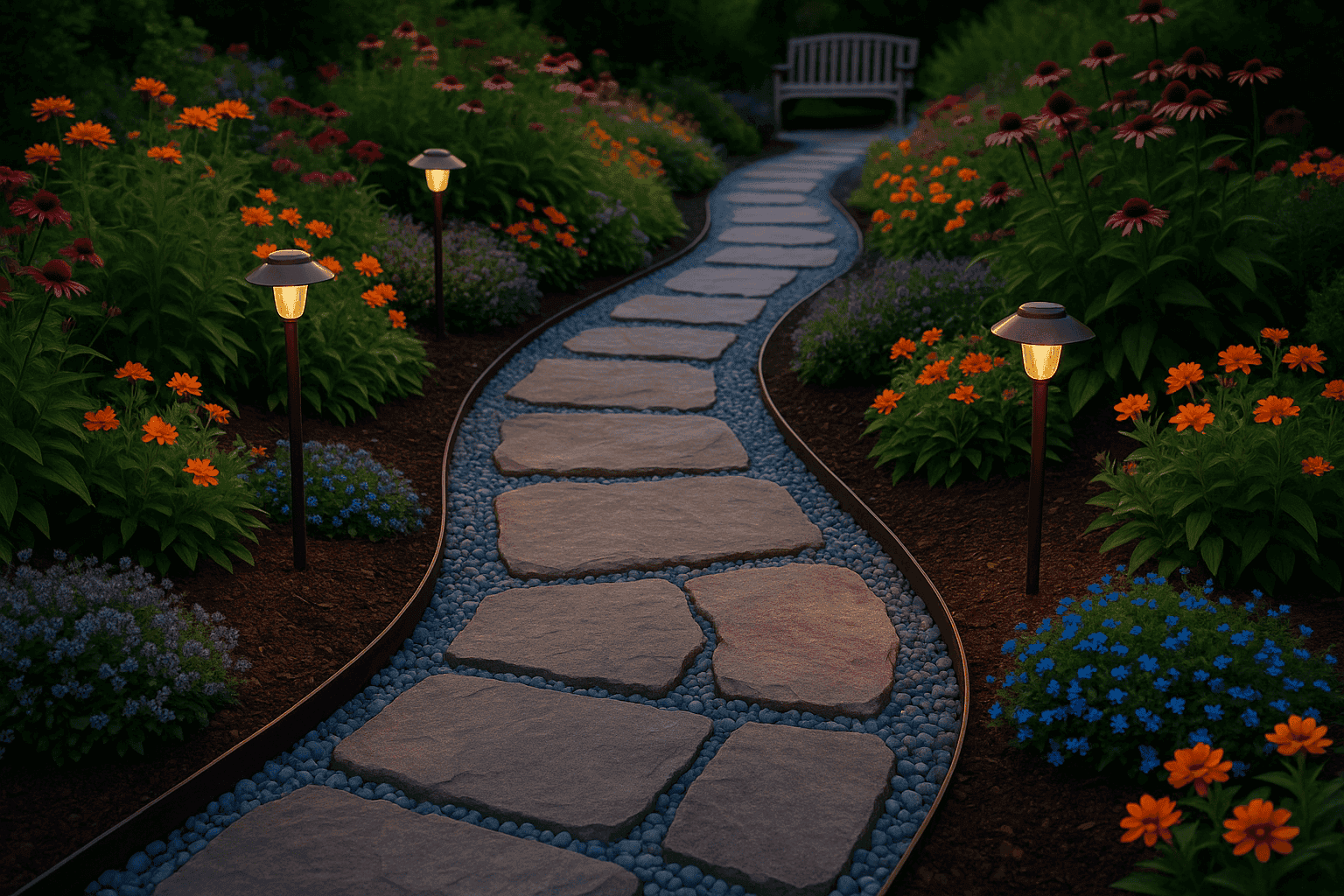
A well-designed garden path does more than connect different areas of your yard—it guides the eye, invites exploration, and adds structure to your outdoor space. Whether straight and formal or gently winding, a thoughtfully created pathway transforms an ordinary garden into an enchanting journey. With the right materials and some weekend effort, you can create a beautiful walkway that enhances your landscape for years to come.
What You'll Need
| • Path material (pavers, flagstone, gravel, etc.) |
| • Landscape fabric (weed barrier) |
| • Edging material (plastic, metal, or stone) |
| • Gravel or sand for base layer |
| • Solar path lights |
| • Garden plants for borders |
| • Mulch or decorative stones |
| • Shovel and rake |
| • Tamper or plate compactor |
| • Level and measuring tape |
How To Do It
- Plan your path: Determine the route, considering natural traffic patterns and garden focal points. Mark the path with stakes and string or garden hose to visualize it.
- Excavate the area: Dig out the pathway to a depth of 4-6 inches, making it about 2-3 feet wide for comfortable walking. Remove any roots, rocks, or debris.
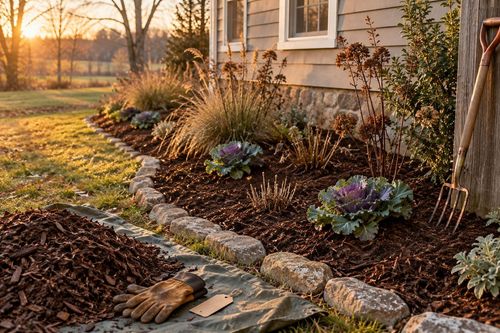
- Add edging: Install your chosen edging material along both sides of the path to maintain crisp borders and prevent material from spreading into the lawn.
- Lay weed barrier: Cover the excavated area with landscape fabric, overlapping seams by 6 inches and extending slightly up the sides of the edging.
- Create a solid base: Add a 2-3 inch layer of gravel or sand, rake level, and compact firmly using a tamper or plate compactor. The base should slope slightly away from buildings for drainage.
- Install your path material: For pavers or flagstones, arrange in your desired pattern, ensuring they're level and evenly spaced. For gravel or mulch paths, add a 2-inch layer and rake smooth.
- Fill gaps: For stone paths, fill the spaces between pavers with sand, fine gravel, or ground cover plants to prevent weeds and create a unified look.
- Add lighting: Install solar path lights along the edges, spacing them evenly about 4-6 feet apart for safe navigation after dark.
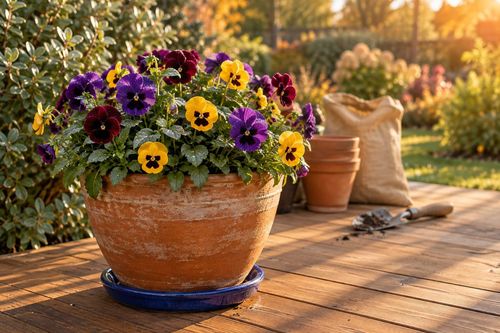
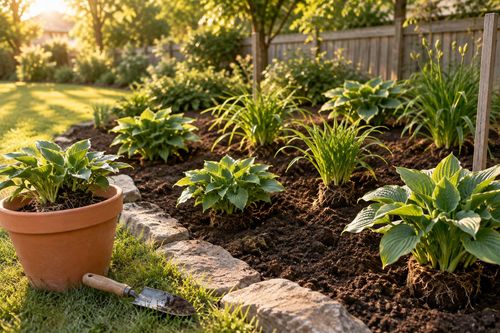
- Plant the borders: Add low-growing plants, flowers, and ornamental grasses along the path edges to soften the look and integrate the path into your garden.
For a truly enchanting garden path, consider using a mixture of materials rather than just one. A pathway that transitions from flagstone to gravel, or incorporates sections of stepping stones amid ground cover plants creates visual interest and a sense of journey. You can also use different materials to signify transitions between garden "rooms" or areas with different purposes. For example, use elegant pavers near the house, transitioning to casual stepping stones in a wild garden area. This mixed-material approach adds dimension and character to your landscape design.