Garden Refresh: Transform Tired Beds into Vibrant Landscapes
Revitalize your outdoor spaces with strategic updates that boost curb appeal
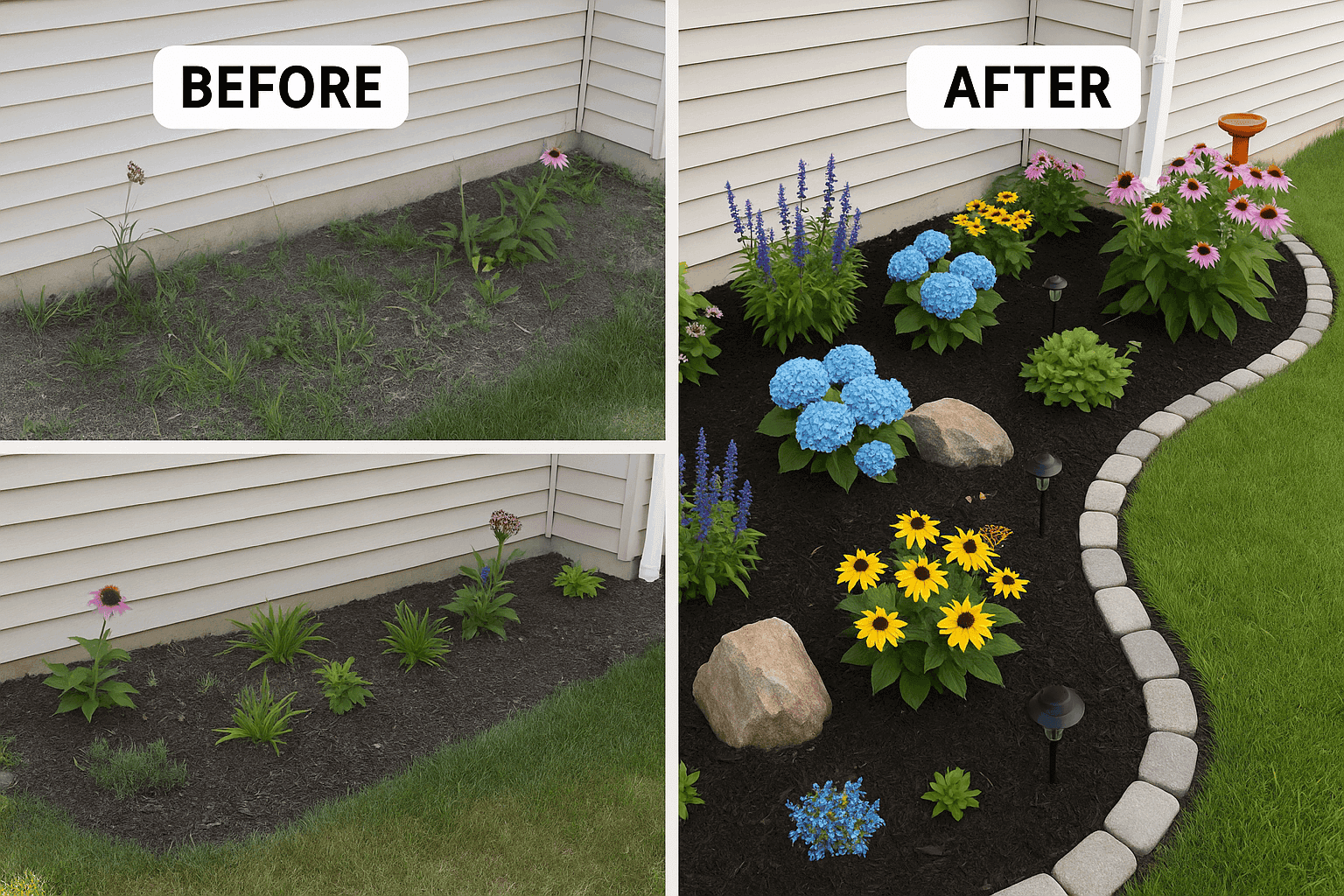
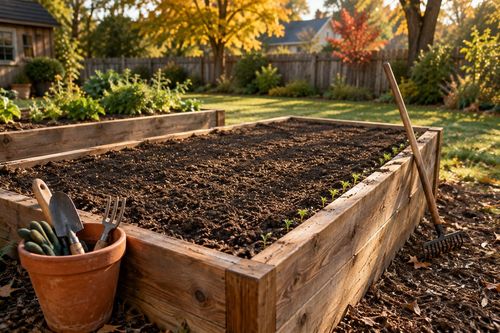
Tired, overgrown garden beds can diminish your home's appearance and your enjoyment of outdoor spaces. The good news: transforming lackluster garden areas doesn't require a complete landscape overhaul. With strategic refreshes like defining crisp edges, adding bursts of seasonal color, and incorporating thoughtful hardscaping elements, you can revitalize existing beds and create vibrant outdoor spaces that welcome pollinators and compliments alike.
Materials & Tools
| • Plant Materials: Flowering perennials, annuals, shrubs |
| • Ground Covers: Mulch, pine straw, decorative stone |
| • Edging Materials: Stone, steel, plastic, brick |
| • Soil Amendments: Compost, topsoil, peat moss |
| • Decorative Elements: Garden statuary, birdbaths |
| • Tools: Shovel, rake, pruners, edging tool |
| • Irrigation: Soaker hoses, drip irrigation components |
| • Weed Control: Landscape fabric, pre-emergent |
| • Lighting: Solar path lights, spotlights |
Transformation Process
- Evaluate your existing beds. Take inventory of what's working and what isn't. Identify plants that are thriving versus struggling, note areas with poor drainage or soil quality, and determine which plants should be kept, relocated, or removed. Consider how the garden beds look from key viewing angles like entryways and seating areas.
- Clean and clear. Remove weeds, dead plants, and debris. Prune overgrown shrubs and perennials, trimming away dead branches and spent blooms. For severely overgrown areas, consider cutting back perennials dramatically to encourage rejuvenation. Rake out old mulch that has decomposed into the soil.
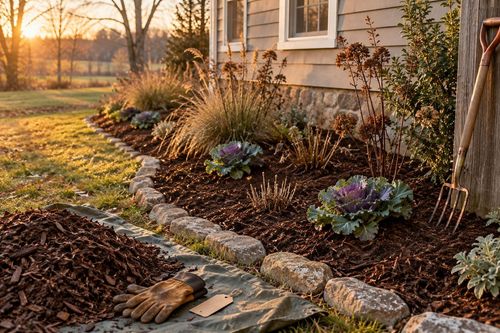
- Redefine bed edges. Create crisp, clean lines between lawn and garden beds using:
- A manual edging tool or power edger to cut a clean line
- Permanent edging material like stone, brick, or steel
- A trench edge (6" deep, 6" wide) filled with decorative stone
- Improve soil quality. Healthy soil is essential for vibrant plants:
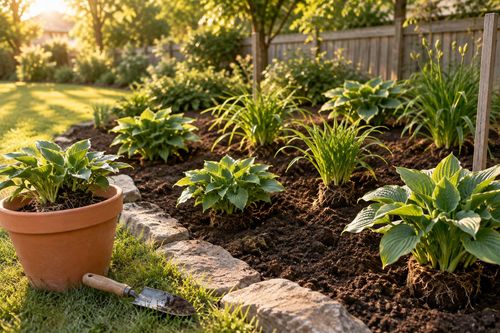
- Add 2-3 inches of compost throughout the bed
- Test soil pH and amend accordingly with lime (to raise pH) or sulfur (to lower pH)
- Add specific amendments based on plant needs (leaf mold for woodland plants, sand for drainage)
- Till amendments lightly into existing soil without disrupting established roots
- Incorporate color strategically. Add visual interest with:
- Mass plantings of the same flower for impact (groups of 3, 5, or 7)
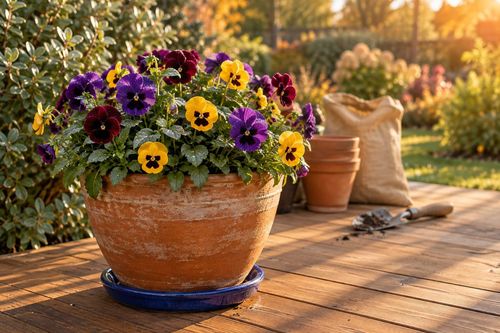
- Complimentary colors using the color wheel (purples with yellows, reds with greens)
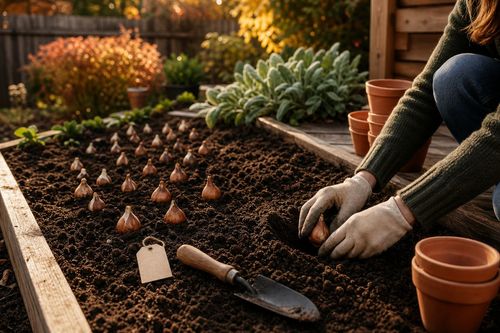
- Succession planting for continuous blooms (spring bulbs followed by summer perennials)
- Evergreen shrubs that provide structure year-round
- Plants with colorful foliage that maintain interest even when not blooming
- Add pollinator-friendly plants. Attract beneficial insects and birds with:
- Native flowering plants appropriate to your region
- Variety of bloom shapes to attract different pollinators
- Continuous blooming periods from spring through fall
- Specific plants like milkweed (for monarchs), echinacea, lavender, and salvias
- Water sources like shallow dishes or birdbaths with landing spots
- Apply fresh mulch. A 2-3 inch layer of quality mulch:
- Suppresses weeds and retains soil moisture
- Provides a polished, unified appearance
- Protects plant roots from temperature extremes
- Adds organic matter to soil as it breaks down
- Creates clear visual boundaries between plants
- Incorporate decorative elements. Add personality with:
- Garden art or sculpture as focal points
- Decorative stones or boulders for texture and height variation
- Ornamental grasses that add movement and sound
- Landscape lighting to highlight features and extend garden enjoyment into evening
- Water features like small fountains or birdbaths
- Establish maintenance routines. Preserve your refreshed garden with:
- Regular weeding (weekly during growing season)
- Appropriate watering (deep and infrequent is better than frequent shallow watering)
- Seasonal pruning and deadheading
- Annual mulch replenishment
- Seasonal assessment for plant health and placement adjustments
For truly professional-looking garden beds, apply the landscape design principle of repetition with variation. Repeat the same plant variety at several points throughout your garden to create rhythm and cohesion, but vary their numbers or combine them with different companion plants at each location. This approach creates a sense of intentional design while avoiding monotony. For front yard beds specifically, incorporate at least 30% evergreen plants to maintain structure during winter months when deciduous plants are dormant. Consider installing garden beds with curved rather than straight edges—these softly flowing lines create a more natural appearance and make maintenance easier by eliminating hard-to-mow corners.