Gateway to Spring: Refreshing Interior Doors with Light, Bright Color
Transform mundane passageways into cheerful design statements with pastel and light-toned door makeovers
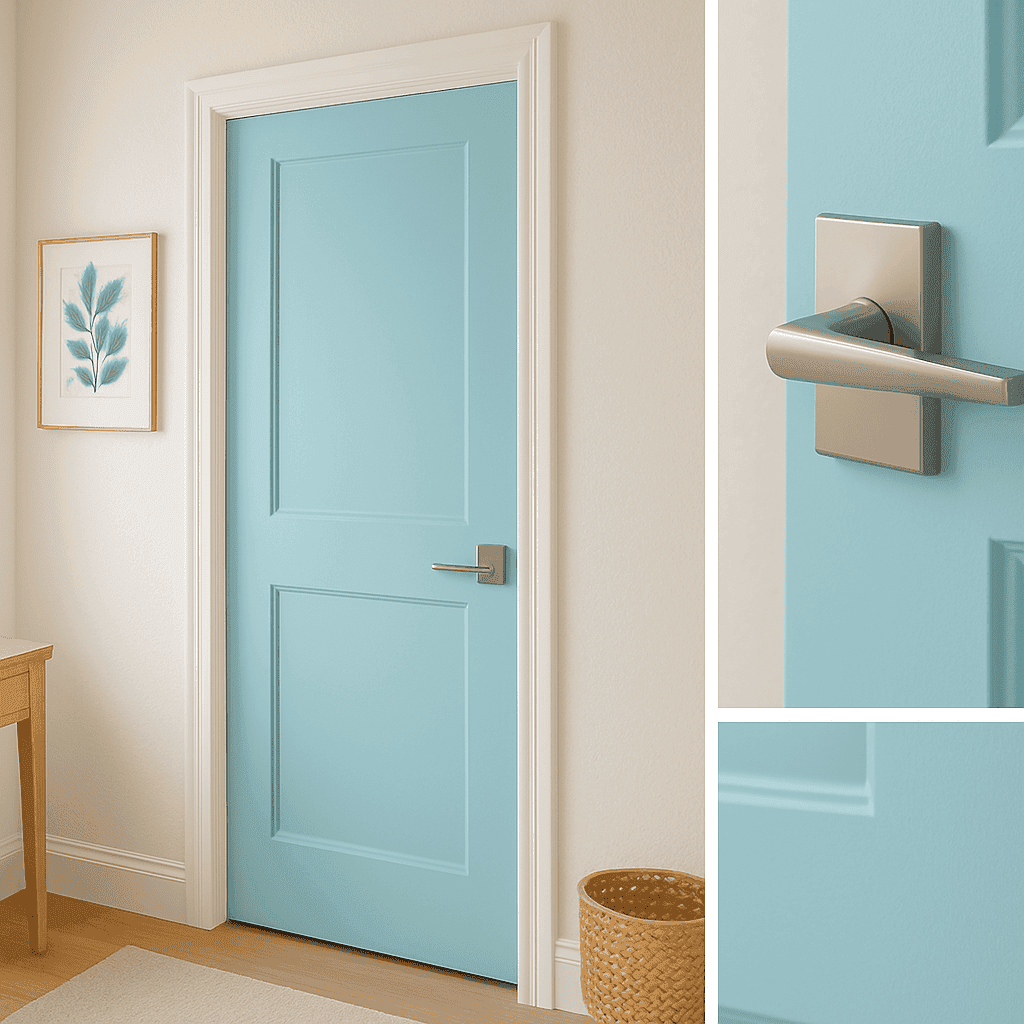
Interior doors represent an often-overlooked opportunity for seasonal refreshment—vertical canvases that can dramatically transform your space with minimal investment. By painting these everyday passageways in light, spring-inspired hues, you create unexpected color moments that brighten transitional spaces and add personality without overwhelming your existing decor. This approachable weekend project allows for significant visual impact without the commitment of painting entire walls, making it perfect for renters, color-shy homeowners, or anyone seeking a manageable spring refresh. Beyond aesthetics, light-colored doors psychologically expand narrow hallways and small rooms, reflecting more light and creating an airier, more spacious feeling throughout your home.
What You'll Need
| Tools: |
| • Screwdriver for removing hardware |
| • Medium and fine-grit sandpaper (150-220 grit) |
| • Sanding block or electric sander |
| • Paintbrushes (2-inch and angled trim brush) |
| • Small foam roller with smooth nap |
| • Paint tray and liners |
| • Painter's tape |
| • Drop cloths or plastic sheeting |
| Paint & Primers: |
| • High-quality interior paint in semi-gloss or satin finish |
| • Primer suitable for your door material |
| • Paint conditioner for smooth application (optional) |
| • Small paint samples for testing colors |
| Preparation Supplies: |
| • TSP cleaner or degreasing solution |
| • Wood filler for any holes or damage |
| • Caulk for filling gaps (if needed) |
| • Tack cloths for dust removal |
| • Lint-free rags or microfiber cloths |
| Hardware & Finishing: |
| • New door handles or knobs (optional upgrade) |
| • New hinges if replacing existing ones |
| • Small containers for hardware storage |
| • Screws for reattaching hardware |
| • Clear polyacrylic for extra protection (optional) |
| Safety Equipment: |
| • Protective gloves |
| • Safety glasses |
| • Dust mask for sanding |
| • Proper ventilation (fans or open windows) |
| • Door prop or wedge to secure during painting |
How To Do It
- Choose the ideal doors for painting:
- Consider doors that would benefit from a color accent
- Look for doors in high-visibility areas like hallways
- Identify bathroom, closet, or bedroom doors for refresh
- Select doors that are in good structural condition
- Consider how light colors will complement existing walls
- Select spring-inspired colors:
- Choose soft pastels like mint green, blush pink, or sky blue
- Consider pale yellows for sunny, cheerful accents
- Look at light aqua or seafoam for tranquil spaces
- Explore barely-there lavender for subtle sophistication
- Test samples on small sections to see how light affects color
- Prepare your workspace:
- Decide whether to remove the door or paint in place
- If removing, label doors and hardware for easy reinstallation
- Lay drop cloths around your work area
- Secure good ventilation and lighting
- Arrange supplies within easy reach
- Remove or tape hardware:
- Unscrew and remove doorknobs, plates, and locks
- Store hardware pieces in labeled containers
- Remove hinges if door is being taken down
- For hardware staying in place, cover completely with painter's tape
- Tape around hinge areas with precision
- Clean and prep the door surface:
- Wash door with TSP solution to remove oils and dirt
- Rinse thoroughly and allow to dry completely
- Fill any holes, dents, or damage with wood filler
- Once dry, sand the entire door lightly for better adhesion
- Wipe away all dust with tack cloth
- Apply primer for optimal results:
- Choose appropriate primer for your door material
- Apply thin, even coat with brush and roller
- Work in sections following door panels
- Allow primer to dry completely (typically 2-4 hours)
- Lightly sand primer with fine-grit sandpaper
- Paint with proper technique:
- Follow door's natural sections for painting order
- For paneled doors: panels first, then horizontal rails, then vertical stiles
- Use angled brush for detail areas and edges
- Apply paint with foam roller for smooth surfaces
- Use long, even strokes in one direction for consistency
- Apply multiple thin coats:
- Allow first coat to dry completely (4-6 hours minimum)
- Lightly sand between coats with fine-grit sandpaper
- Wipe away dust with tack cloth
- Apply second coat using same technique as first
- Add a third coat if needed for color depth and coverage
- Add special details (optional):
- Consider painting door edges in a contrasting color
- Add subtle stencil details for unique personality
- Paint door frame to match or in complementary color
- Consider color-blocking sections of paneled doors
- Add clear protective topcoat for high-traffic doors
- Reinstall door and hardware:
- Allow final coat to dry fully (24 hours minimum)
- Carefully remove all painter's tape
- Rehang door if it was removed
- Install new or original hardware
- Check for smooth operation and make adjustments
Professional interior designers employ a principle called "chromatic coordination" when selecting door colors—rather than matching doors exactly to existing elements, they choose shades that are one step removed on the color wheel from prominent room colors. This subtle shift creates dynamic visual tension that's more sophisticated than perfect matching. Another industry secret is the "60-30-10 door rule" for color distribution: if your walls represent 60% of the room's color (typically a neutral), and furniture/textiles make up 30% (medium tones), painted doors can become part of your 10% accent color allocation, creating cohesive color flow throughout your home. For the most elevated effect, top designers recommend considering the "plane transition"—picking up understated elements from the connecting rooms on either side of the doorway, creating a visual bridge that makes color flow feel intentional rather than abrupt. This thoughtful approach transforms a simple door-painting project into a strategic design element that enhances your entire living space.