Leaf Mold Compost Pile: Turn Fall Cleanup Into Garden Gold
Transform raked leaves into the soil amendment that gardeners call "black gold"
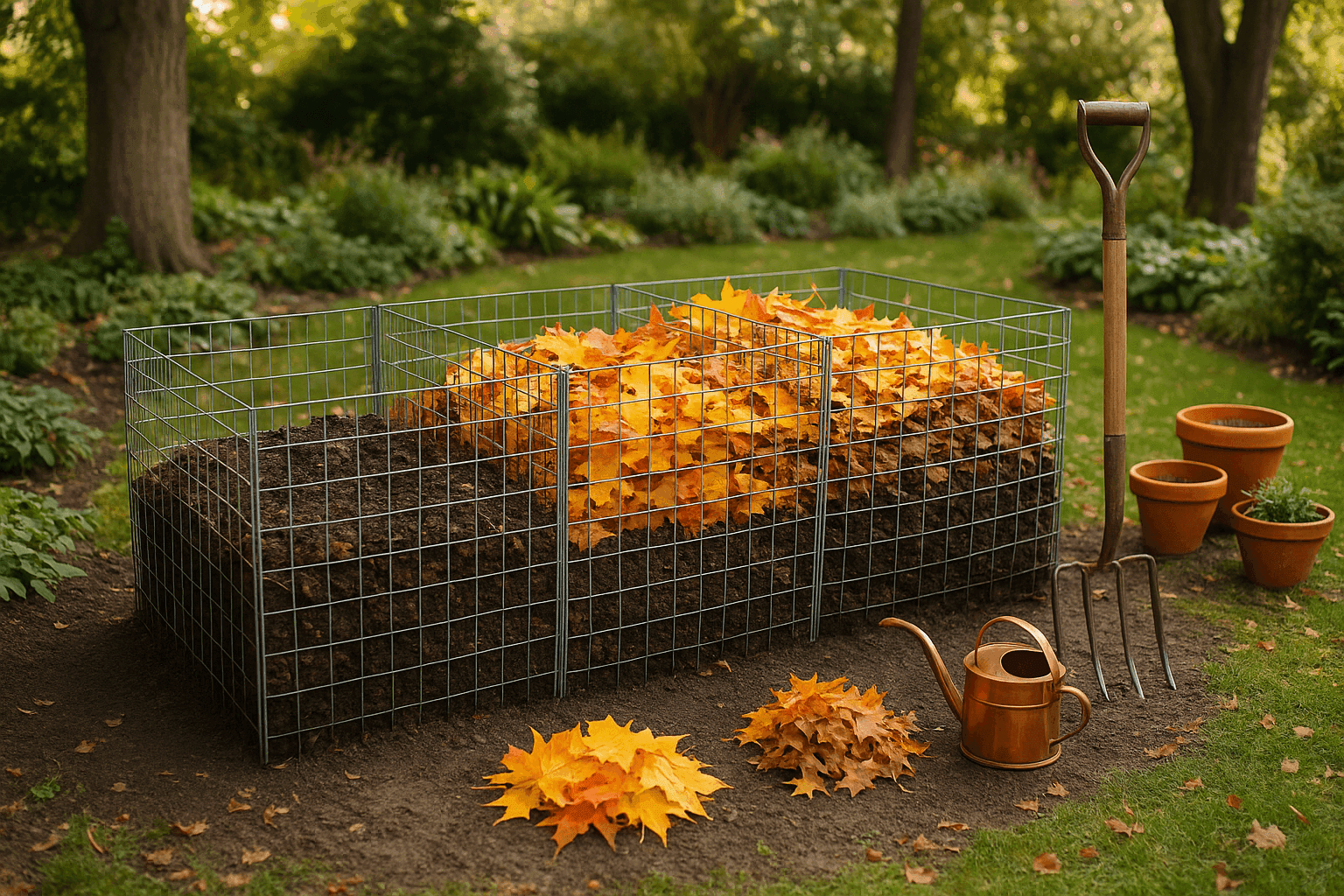
Every fall, millions of homeowners bag up their fallen leaves and send them to the landfill, missing out on one of nature's most valuable soil amendments that professional gardeners treasure above all others. Leaf mold – the dark, crumbly result of decomposed leaves – is essentially forest soil in the making, packed with beneficial fungi and organic matter that transforms garden beds into thriving ecosystems. Creating your own leaf mold compost pile is surprisingly simple and turns what many see as yard waste into what experienced gardeners call "black gold." Within 12-18 months, those raked leaves become the kind of soil conditioner that garden centers charge premium prices for.
What You'll Need
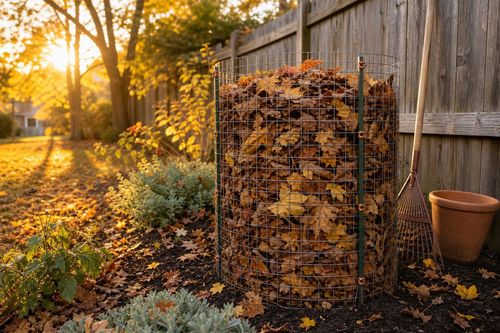
- Containment System: Wire mesh bins or wooden pallets (3x3x3 feet minimum), zip ties or wire for assembly
- Raw Materials: Fallen leaves (any variety works, but oak and maple are ideal), small amount of existing soil
- Tools: Rake, leaf blower or bagger, garden hose with spray nozzle, pitchfork or shovel
- Optional Accelerators: Finished compost, aged manure, or nitrogen source to speed decomposition
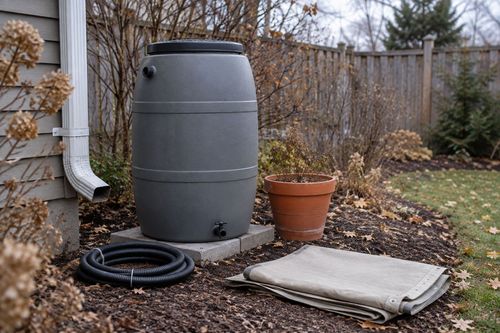
- Weather Protection: Tarp or mesh cover to regulate moisture during heavy rains
Building Your Pile
- Choose a partially shaded location with good drainage, away from structures but easily accessible for turning
- Assemble wire bins by forming cylinders and securing with zip ties, creating a system that allows airflow
- Layer leaves 6-8 inches deep, alternating with thin sprinkles of soil to introduce decomposing microorganisms
- Moisten each layer lightly with a garden hose – the pile should feel like a wrung-out sponge, not soggy
- Continue layering until the bin is full, leaving 6 inches of space at the top for settling and turning
- Cover with a tarp during heavy rains to prevent the pile from becoming waterlogged and anaerobic
- Turn the pile every 4-6 weeks, moving outer materials to the center for even decomposition
- Monitor moisture levels and add water during dry spells to maintain consistent decomposition rates
Master gardeners create a three-bin system that provides continuous leaf mold production – one bin for fresh leaves, one for actively decomposing material, and one for finished compost ready to use. This rotation system means you'll always have leaf mold in various stages, and you can harvest finished compost every spring while starting fresh piles each fall. The key is shredding leaves with your mower before adding them to bins, which can cut decomposition time in half and creates finer-textured finished compost.