Patio Revival: Breathing New Life into Outdoor Furniture
Transform tired garden pieces into stylish outdoor showstoppers with creative upcycling
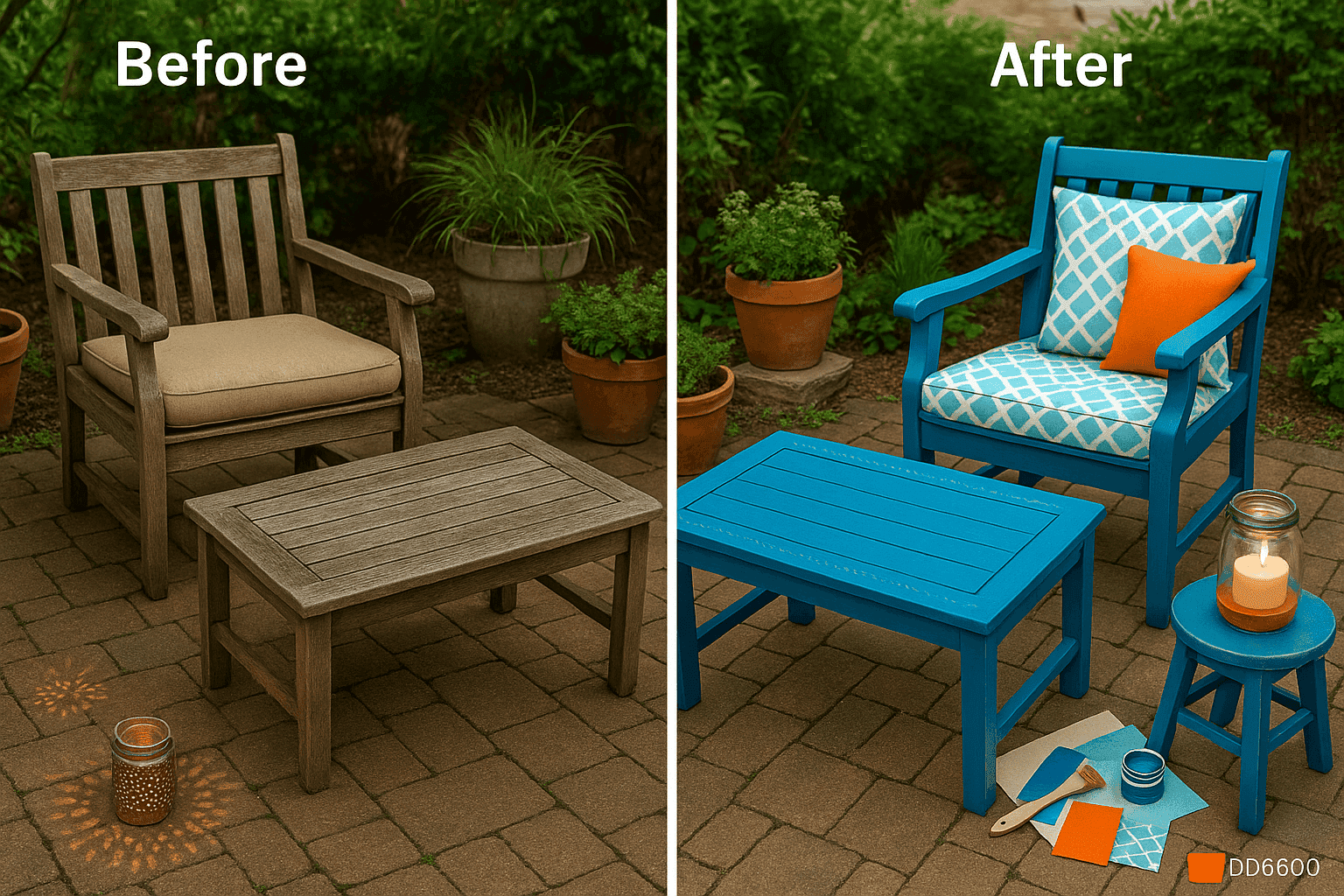
Outdoor furniture takes a beating from sun, rain, and constant use, often looking worn long before its structural integrity fails. Instead of replacing these pieces, consider creative upcycling to transform weathered items into stunning outdoor showpieces. With the right techniques and materials, you can extend the life of quality furniture while expressing your personal style and keeping perfectly good frames out of landfills. These makeover projects range from simple weekend refreshes to more involved transformations.
Materials & Tools
| • Cleaning Supplies: Pressure washer, TSP cleaner |
| • Prep Materials: Sandpaper, wire brush, stripper |
| • Repair Items: Wood filler, epoxy, replacement parts |
| • Paint Products: Exterior primer, outdoor paint |
| • Specialty Finishes: Spray paint, rust converter |
| • Fabric Elements: Outdoor fabric, vinyl, upholstery |
| • Protective Sealants: Polyurethane, teak oil, wax |
| • Tools: Staple gun, drill, scissors, pliers |
| • Safety Gear: Gloves, eye protection, mask |
Upcycling Techniques
- Assess what you're working with. Evaluate your furniture pieces:
- Test structural integrity—wobbling and loose joints require repair
- Identify the primary material (wood, metal, plastic, wicker)
- Determine which elements need replacement versus refurbishment
- Consider how the piece will be used and exposed to elements
- Look for quality construction that's worth preserving
- Thoroughly clean and prepare surfaces. Start with a blank slate:
- Remove cushions, hardware, and any detachable parts
- Pressure wash or scrub with appropriate cleaners for the material
- For wood: Sand rough areas and remove peeling finishes
- For metal: Wire brush rust spots and apply rust converter
- For plastic: Use specialty cleaners designed for resin or plastic
- Allow furniture to dry completely before proceeding
- Make necessary repairs. Address structural issues first:
- Tighten loose screws and replace missing hardware
- Re-glue loose joints in wooden furniture
- Fill cracks or holes with appropriate fillers (wood filler, epoxy)
- Replace broken slats, legs, or supports
- Reinforce weak areas with brackets or additional fasteners
- Sand repaired areas smooth and blend with existing surfaces
- Apply new finishes. Options by material type:
- For wooden furniture:
- Apply exterior primer designed for outdoor wood
- Choose quality exterior paint or stain in your desired color
- Consider weathered or distressed techniques for rustic appeal
- Apply multiple thin coats rather than one thick coat
- Finish with waterproof sealer for extra protection
- For metal furniture:
- Apply rust-inhibiting primer specifically for metal
- Use exterior spray paint formulated for metal surfaces
- Consider textured finishes that hide imperfections
- Add clear coat for extended durability in harsh environments
- For plastic/resin furniture:
- Use paints specifically formulated for plastic adherence
- Apply light, even coats to prevent drips and bubbling
- Consider vinyl spray paints for flexible plastic surfaces
- For wicker/rattan:
- Use spray paint to reach into crevices
- Paint with a combination of spraying and brushing techniques
- Consider sealing natural fibers with marine varnish
- For wooden furniture:
- Update cushions and fabric elements. Transform the comfort components:
- Measure existing cushions or spaces for new cushions
- Select weather-resistant, UV-protected outdoor fabrics
- Consider fabric patterns that complement your outdoor space
- For budget options, use outdoor fabric paint on existing cushions
- Add waterproof liners inside cushion covers for extra durability
- Create coordinating pillows for added comfort and style
- Creative transformation techniques. Go beyond basic refreshing:
- Functional conversions:
- Turn an old bench into a potting station with added shelving
- Convert a damaged table into a cushioned ottoman
- Transform an unused chair into a decorative planter
- Repurpose dresser drawers as under-bench storage
- Decorative enhancements:
- Add mosaic tile tops to tables for artistic flair
- Incorporate stenciled patterns on flat surfaces
- Create wood-burned designs on natural wood pieces
- Apply decorative hardware for personality and style
- Material combinations:
- Replace wood slats with metal for a modern update
- Add stone or concrete elements to wooden pieces
- Incorporate rope wrapping for nautical or boho style
- Functional conversions:
- Protect your investment. Ensure longevity with proper finishing:
- Apply appropriate sealants for each material type
- Consider furniture covers for extreme weather conditions
- Elevate wooden furniture with feet to prevent moisture damage
- Apply UV protectant sprays to prevent fading
- Create maintenance schedule for seasonal touch-ups
For a designer look that elevates your outdoor space, consider creating a coordinated collection from mismatched pieces. Rather than perfectly matching furniture, paint diverse items in a cohesive color palette using 2-3 complementary shades. For example, paint larger pieces in a deeper base color, medium items in a lighter coordinating tone, and small accent pieces in a vibrant contrast color. This technique creates visual interest while establishing a deliberate design statement. For maximum durability, always choose premium marine-grade paints and finishes, even if they cost more initially—their superior UV and moisture resistance will dramatically extend the life of your upcycled creations.