Penny Pincher's Dream: Make Laundry Detergent for Pennies Per Load
Create months of effective cleaning powder for a fraction of store prices using three simple ingredients
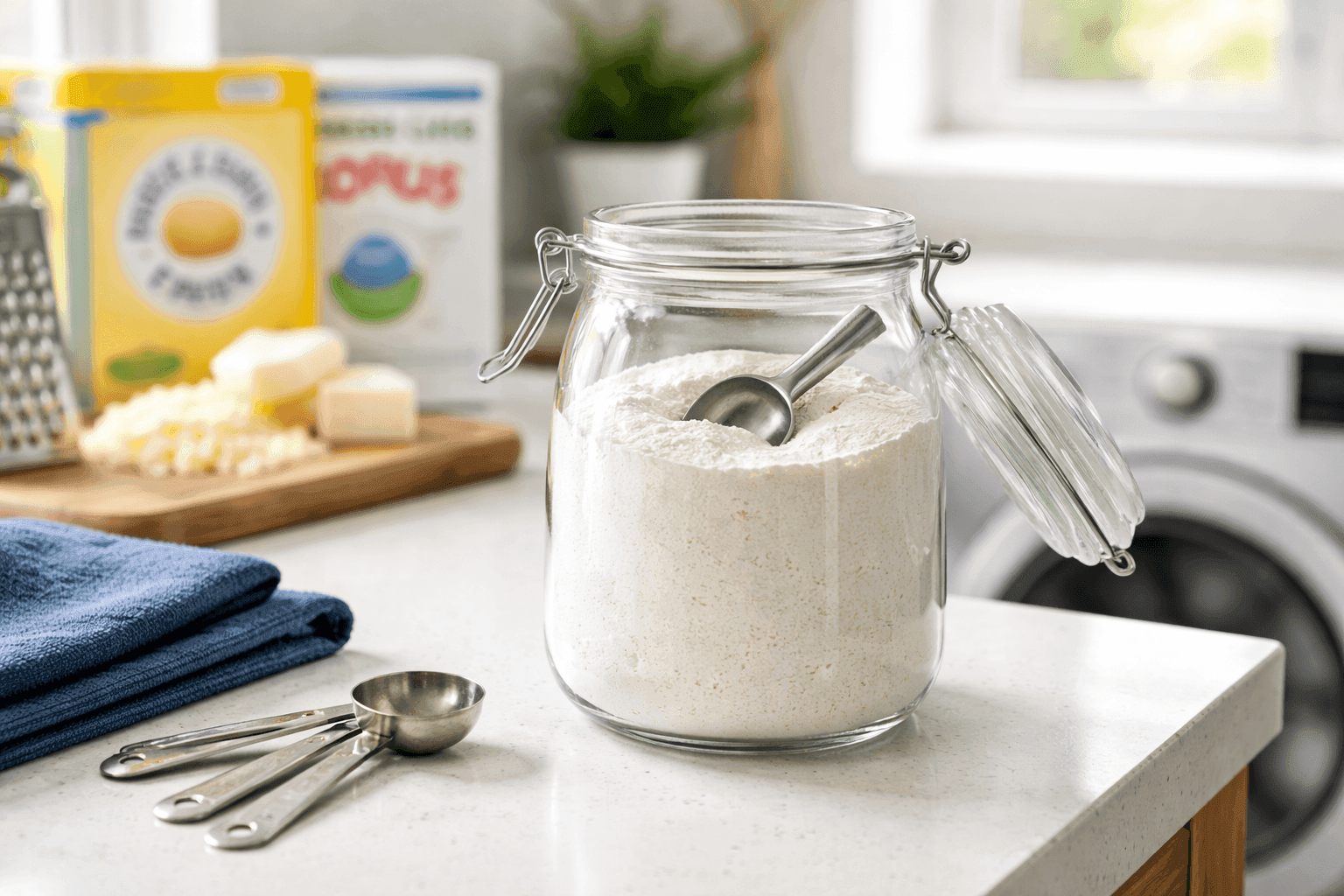
If you've ever done the math on commercial laundry detergent costs and felt that little jolt of sticker shock—$15-25 per bottle for maybe 50-60 loads—you're ready to appreciate the economics of homemade detergent that costs approximately 3-5 cents per load versus 25-40 cents for store-bought brands. I was skeptical when I first heard about making my own detergent years ago, assuming it would either be ineffective or require complicated chemistry, but the reality is hilariously simple: three basic ingredients mixed together create a powder that cleans just as effectively as expensive commercial formulas without all the synthetic fragrances, dyes, and filler ingredients that sensitive skin often reacts to badly. The entire mixing process takes maybe 15 minutes, produces enough detergent for 3-4 months of regular washing, and costs around $15-20 in ingredients that you can find at any grocery store or online. Beyond the dramatic cost savings—we're talking $100+ per year for an average household—homemade detergent lets you control exactly what touches your clothes and skin, which matters if anyone in your family deals with eczema, allergies, or chemical sensitivities that make conventional detergents uncomfortable or even painful. This isn't about becoming some crunchy DIY evangelist; it's about recognizing that laundry detergent is essentially a very simple product being sold at premium prices because of marketing and branding, and you can absolutely make an equivalent version yourself for a fraction of the cost.
What You'll Need
- Washing Soda: 1 box (55 oz) Arm & Hammer Super Washing Soda—not baking soda, different product—provides alkalinity that removes dirt and oils ($4-6, available in laundry aisle or online)
- Borax: 1 box (76 oz) 20 Mule Team Borax for boosting cleaning power and deodorizing—safe despite internet myths, used in laundry for over 100 years ($5-7, same aisle as washing soda)
- Bar Soap: 2-3 bars Fels-Naptha (traditional laundry bar), Zote (pink or white), or pure castile soap for surfactant action that lifts stains ($1-2 per bar)
- Cheese Grater or Food Processor: For grating bar soap into fine particles that dissolve easily in wash water
- Large Mixing Container: 5-gallon bucket with lid or large storage container for mixing and storing finished detergent
- Measuring Scoop: Tablespoon measure or small scoop for dispensing 1-2 tablespoons per load
- Optional Essential Oils: 20-30 drops lavender, lemon, or tea tree oil for natural fragrance if you prefer scented laundry
Step-by-Step Instructions
- Grate soap bars using a cheese grater or food processor to create fine, uniform particles that dissolve easily in wash water—chunkier pieces don't distribute as effectively and can leave residue on clothes.
- Mix dry ingredients by pouring one full box of washing soda and one full box of borax into your large container, stirring thoroughly to distribute evenly throughout the mixture.
- Add grated soap gradually while mixing continuously to prevent clumping, ensuring soap particles distribute evenly throughout the powder base rather than settling in lumps at the bottom.
- Mix thoroughly for 2-3 minutes using your hands, a large spoon, or by shaking with the lid on, breaking up any clumps and creating a uniform powder consistency throughout.
- Add essential oils if desired by mixing 20-30 drops directly into the powder and stirring well—this is completely optional as the detergent cleans effectively without any fragrance added.
- Store in airtight container with a secure lid to prevent moisture absorption and clumping, keeping it in your laundry room for convenient access—this batch makes approximately 200+ loads.
- Use 1-2 tablespoons per load depending on load size and soil level—yes, really, that's all you need despite being used to pouring giant capfuls of commercial detergent full of filler ingredients.
- Add directly to drum before loading clothes for best results, especially with front-loading machines, allowing the powder to dissolve completely as water fills the machine.
Here's the critical insider knowledge that prevents the most common homemade detergent problems: if you have hard water (which most Americans do), add 1/4 cup of citric acid powder to your detergent mixture to prevent mineral buildup and soap scum on clothes and in your washing machine. Hard water contains dissolved minerals that react with soap to create that filmy residue that makes towels feel stiff and clothes look dingy over time, and citric acid acts as a water softener that eliminates this issue completely. You can find citric acid in the canning section of grocery stores or order it online for about $8-10 per pound, and that single pound will last for multiple batches of detergent. Professional cleaners and textile care experts know that water chemistry dramatically affects cleaning effectiveness, which is why commercial detergents include water-softening agents—you're just adding it yourself at a fraction of their markup. Another pro move: make a liquid version by dissolving 1-2 tablespoons of this powder in a quart of hot water before adding to your machine if you're concerned about powder not dissolving completely in cold water washes. This pre-dissolving step ensures even distribution and prevents any possibility of white residue on dark clothes, giving you all the benefits of liquid detergent while maintaining the cost savings of homemade powder.