Petal Panels: Creating Floral Wallpaper Statements That Transform Any Room
Install strategic botanical accent walls that add dramatic impact without overwhelming your space
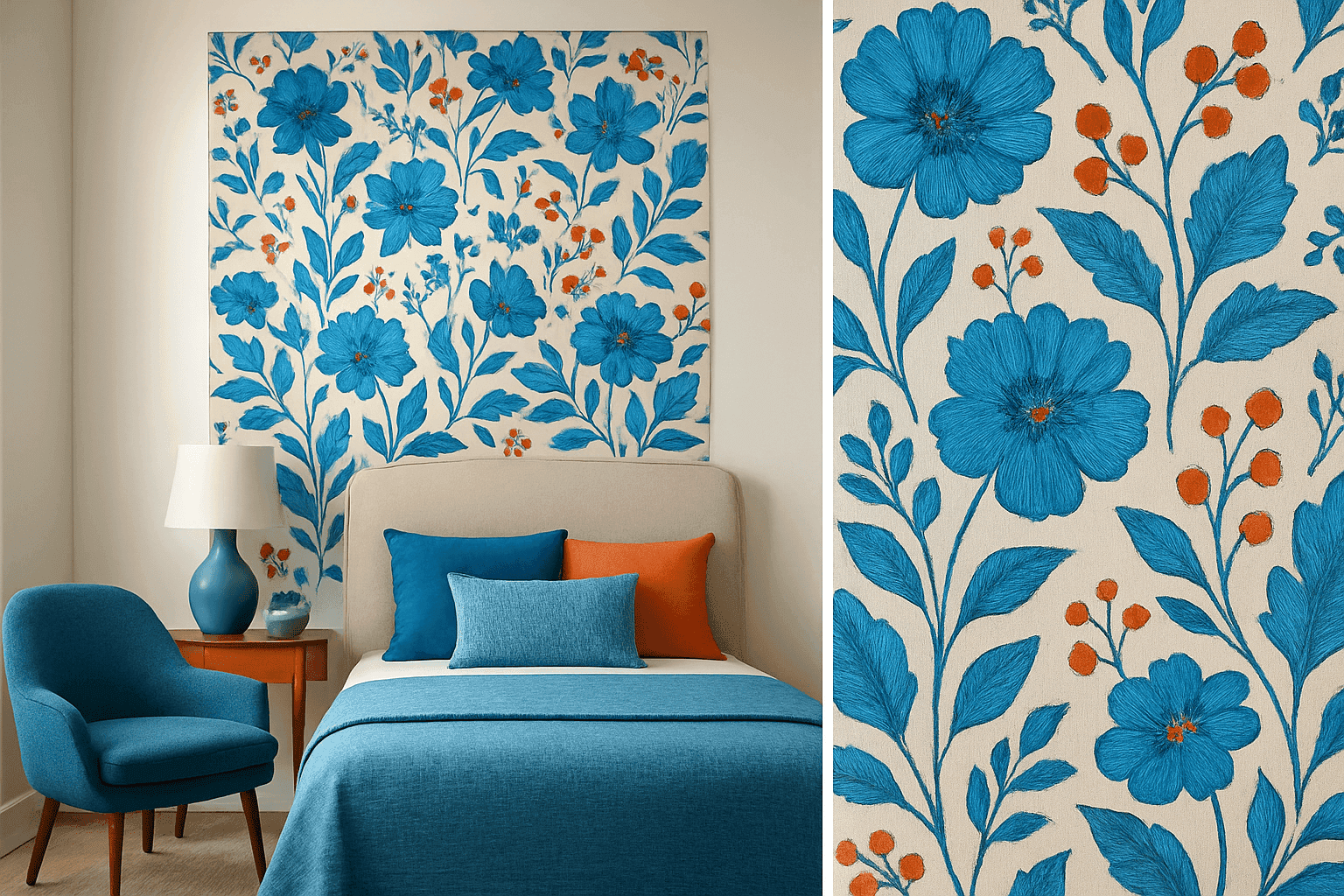
Floral wallpaper accent panels offer the perfect balance of dramatic transformation and restrained application—bringing botanical beauty into your home without the commitment of full-room wallpapering. By strategically installing these vibrant or subtle nature-inspired patterns behind beds, sofas, or dining areas, you create instant focal points that anchor your spaces with intentional design energy. This approach delivers maximum visual impact with minimal material, making it budget-friendly while avoiding the potential overwhelm of wall-to-wall pattern. For spring refreshes, floral panels introduce the season's renewal theme in a sophisticated way that can easily transition through the year, especially when you select timeless botanical designs rather than overtly seasonal motifs.
What You'll Need
| Wallpaper Options: |
| • Traditional pre-pasted wallpaper |
| • Peel-and-stick removable wallpaper |
| • Grasscloth or textured wallpaper |
| • Vinyl wallpaper for high-moisture areas |
| • Mural-style large format prints |
| Installation Tools: |
| • Measuring tape |
| • Level and/or laser level |
| • Pencil for marking |
| • Utility knife with fresh blades |
| • Straight edge or metal ruler |
| • Smoothing tool or plastic squeegee |
| • Seam roller for traditional wallpaper |
| • Step stool or ladder |
| For Traditional Wallpaper: |
| • Wallpaper paste (if not pre-pasted) |
| • Paste brush or roller |
| • Water tray for pre-pasted paper |
| • Sponge and clean water for cleanup |
| • Pasting table or clean flat surface |
| Wall Preparation: |
| • Spackling compound for hole repair |
| • Sandpaper (medium and fine grit) |
| • Primer or sizing solution |
| • Wall cleaner or TSP solution |
| • Paint and brushes for edges (optional) |
| Defining Elements: |
| • Decorative molding for framing (optional) |
| • Picture rail or crown molding |
| • Wood trim pieces |
| • Miter box and saw for cutting trim |
| • Nail gun or hammer and finishing nails |
| Cleanup Supplies: |
| • Drop cloths |
| • Clean rags or paper towels |
| • Bucket of clean water |
| • Mild detergent |
| • Razor blade scraper for excess paste |
How To Do It
- Select strategic placement for maximum impact:
- Behind a bed as a focal headboard wall
- Behind a sofa in living rooms
- As a dining room accent behind a buffet
- In alcoves or recessed areas
- As a feature within picture frame molding
- Choose the right floral pattern:
- Consider scale—larger rooms can handle bigger patterns
- Select colors that complement existing decor
- Decide between bold statements or subtle tone-on-tone designs
- Look for timeless botanicals for longevity
- Order samples to test in your space's lighting
- Determine your panel dimensions:
- Measure the width of furniture the panel will anchor
- Add 12-18 inches on each side for balanced proportions
- Consider ceiling height for vertical dimension
- For partial walls, define clear stopping points
- Calculate wallpaper quantity based on measurements and pattern repeat
- Prepare your wall surface:
- Clean walls thoroughly to remove dust and residue
- Fill any holes or imperfections with spackling compound
- Sand smooth once dry
- Apply primer or sizing solution for better adhesion
- Allow wall to dry completely before installation
- Define panel boundaries (optional):
- Paint edges or boundaries in contrasting color
- Install decorative molding to frame the area
- Use painter's tape to create crisp edge lines
- Consider chair rail to define lower boundary
- Mark layout lines lightly with pencil
- Measure and cut wallpaper:
- Add 2-3 inches to top and bottom measurements for trimming
- Check pattern repeat to ensure proper alignment
- Cut strips with sharp utility knife on clean surface
- Number strips lightly in pencil on back for sequence
- Consider the pattern's focal points for centered placement
- Install the wallpaper panel:
- For traditional wallpaper: apply paste or soak pre-pasted paper
- For peel-and-stick: carefully remove backing as you go
- Start from the top, leaving excess for trimming
- Use level to ensure first strip is perfectly straight
- Smooth out air bubbles with plastic smoother tool
- Align and apply additional strips:
- Match pattern carefully at seams
- Overlap edges slightly and cut through both for perfect seams
- Work from center outward for balanced pattern placement
- Clean excess paste immediately with damp sponge
- Use seam roller for secure bonding between strips
- Trim excess and finish edges:
- Use straight edge and sharp utility knife for clean cuts
- Trim at ceiling and baseboard junctions
- Cut around outlets and switches (turn power off first)
- For defined panel edges, create clean vertical cuts
- Touch up surrounding paint if necessary
- Style around your floral accent panel:
- Position furniture to properly frame and highlight the panel
- Select accessories that complement rather than compete with pattern
- Add solid-colored textiles that pull colors from the wallpaper
- Consider simple artwork or mirrors for adjacent walls
- Use lighting to highlight the textural qualities of the panel
Professional interior designers use a principle called "spatial punctuation" when installing wallpaper accent panels. This approach treats the panel as architectural punctuation—similar to how a period or exclamation mark functions in writing—creating a deliberate pause in the visual flow of a room. For the most sophisticated effect, designers recommend what they call the "60% rule": ideally, your floral panel should occupy approximately 60% of the wall where it's installed, allowing for proportional negative space that frames the pattern beautifully. Another industry secret is what's known as "color bridging"—selecting wallpaper that contains at least three colors already present in your room, but in slightly different saturations or tones. This creates cohesion while still allowing the panel to feel fresh and intentional. Top designers also suggest considering the "light pathway"—installing panels on walls that receive indirect rather than direct sunlight, which prevents pattern fade while creating subtle light play across textured papers throughout the day.