Plant Multiplication Magic: Perfect Perennial Division Day
Split overgrown hostas and daylilies for instant garden expansion before winter sets in
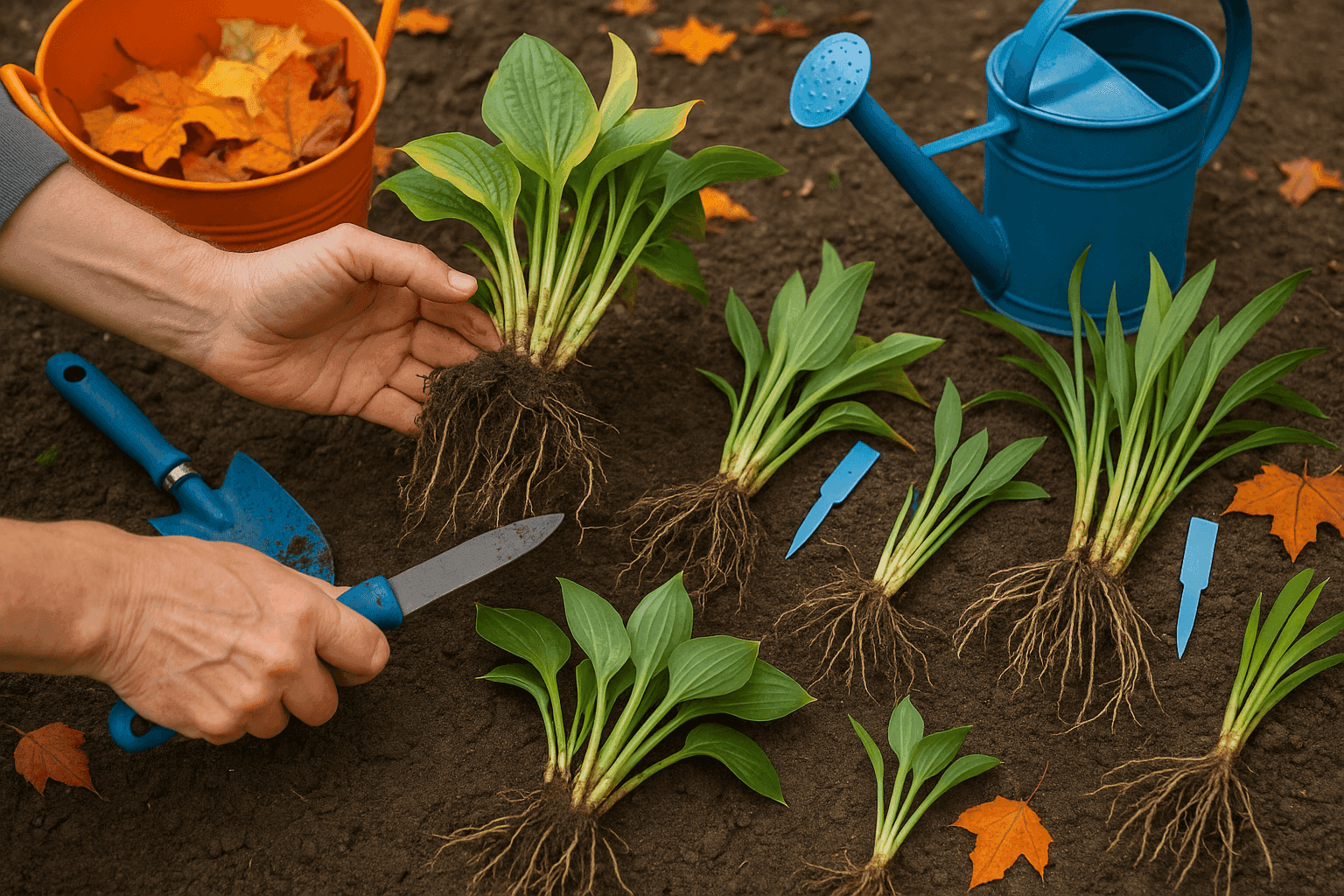
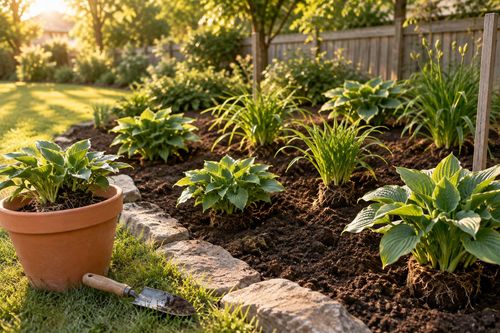
I'll never forget the day I realized my "expensive" hostas had grown so big I could literally turn one plant into five or six new ones – it felt like discovering buried treasure in my own backyard! Perennial division is one of those gardening secrets that makes you feel incredibly smart and resourceful, especially when you see how much money you're saving on new plants. There's something deeply satisfying about working with plants that have proven they love your garden conditions and multiplying your success naturally. Fall is absolutely the perfect time for this because the plants have time to establish strong root systems before winter dormancy, setting them up for explosive growth come spring. Every time I divide perennials, I'm essentially creating next year's garden for free while giving my existing plants room to thrive – it's like the ultimate win-win gardening activity!
Division Tools
- Digging Tools: Sharp spade, garden fork, hand trowel for different root types ($25-40)
- Cutting Equipment: Clean, sharp knife or pruning shears for root separation ($15-25)
- Soil Preparation: Compost, bone meal, or slow-release fertilizer for new plantings ($15-30)
- Watering Supplies: Garden hose, watering can, soaker hose for establishment ($20-40)
- Protection Items: Shade cloth or mulch for newly divided plants ($10-20)
- Organization: Buckets, tarps, plant labels for keeping divisions sorted ($10-15)
- Total Investment: $95-170 for tools that pay for themselves in free plants
Division Process
- Choose cool, cloudy day and water plants thoroughly day before dividing
- Dig entire clump carefully, preserving as many roots as possible
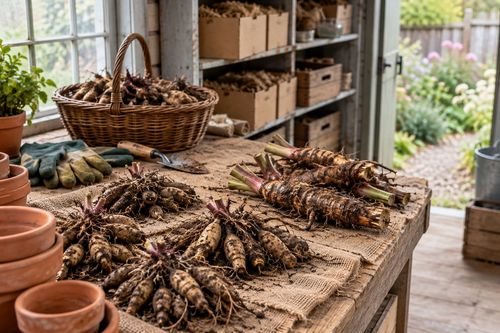
- Rinse soil from roots to clearly see natural division points and growth patterns
- Identify sections with healthy roots and growing points for viable divisions
- Split using clean knife or by pulling apart, ensuring each piece has roots and shoots
- Trim damaged roots and cut back foliage to reduce transplant shock
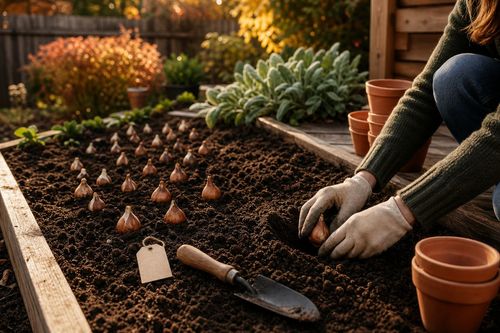
- Plant immediately in prepared soil, watering thoroughly and adding mulch
- Monitor closely for first few weeks, maintaining consistent moisture for establishment
Master gardeners know that the secret to successful divisions is timing them right before the plants' natural growth surge. Here's my foolproof method: divide spring bloomers like daylilies in fall, and fall bloomers like asters in spring – this gives them a full growing season to establish. My signature technique is the "three-year rule" – divide perennials every three years whether they look crowded or not, as this keeps them vigorous and blooming at peak performance. Pro tip: always keep the best divisions for yourself and use the extras for plant swaps with neighbors or donations to community gardens. This creates a network of gardening friends while spreading beautiful plants throughout your neighborhood. Also, mark division locations with plant stakes so you remember what's planted where come spring!