Renewed Beauty: DIY Hardwood Floor Refinishing
Bring tired wooden floors back to life with professional-looking results
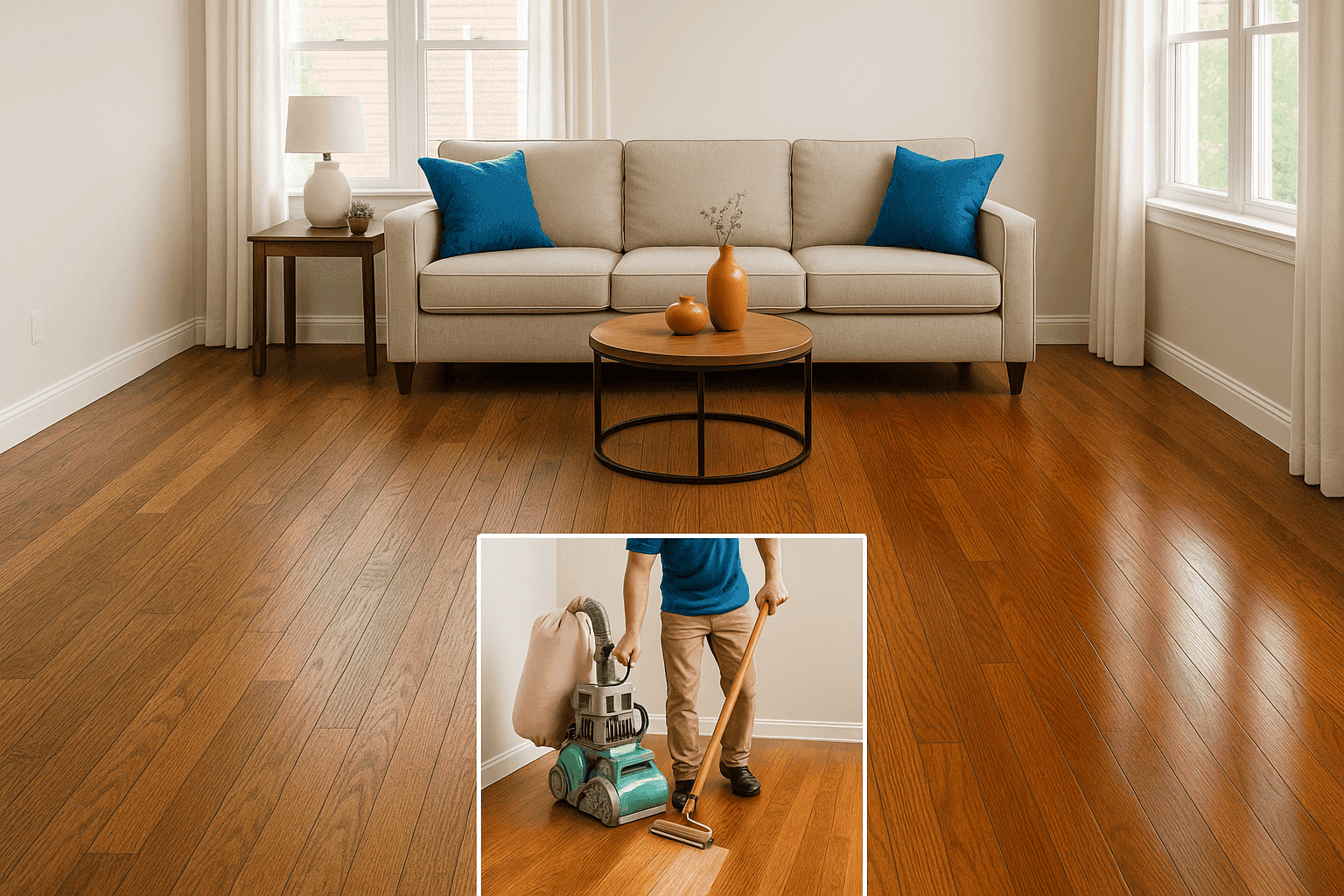
Underneath scuffed, dull hardwood floors often lies beautiful wood waiting to be rediscovered. Refinishing hardwood is one of the most transformative DIY projects you can tackle, instantly elevating your home's appeal and value. While professional refinishing can cost thousands, a dedicated DIYer with the right tools can achieve remarkable results for the cost of rentals and materials. This guide will walk you through restoring your hardwood floors to their natural beauty or reimagining them with fresh color.
Materials
| Drum sander and edge sander (rentals) |
| Sandpaper (60, 80, 120, 220 grits) |
| Wood filler for gaps or holes |
| Tack cloths and shop vacuum |
| Stain (optional) and applicator |
| Polyurethane finish and applicator |
Method
- Prepare the space by removing all furniture, baseboards, and thoroughly cleaning the floor. Seal doorways with plastic to contain dust.
- Sand the floor in three phases with progressively finer sandpaper, always moving with the wood grain. Start with 60 grit, then 80, and finish with 120.
- Fill any gaps or holes with wood filler matching your floor color, then sand those areas smooth with 220 grit paper once dry.
- Vacuum thoroughly and wipe with tack cloths to remove all dust before applying any finishes. This step is crucial for a smooth result.
- Apply stain if desired, following with 2-3 coats of polyurethane finish with light sanding (220 grit) between coats for optimal adhesion.
Before committing to a stain color, test several options in inconspicuous areas like closets or under furniture. Different wood species accept stain differently, and the final color might surprise you. For a contemporary look, consider gray or whitewashed stains that show grain while adding modern appeal. If your floors have extensive damage or multiple layers of old finish, consider hiring a professional for the sanding portion, then take over the staining and finishing yourself to save on labor while ensuring the critical foundation work is done properly.