Serene Streams: Adding Indoor Water Features
Transform your home with the calming presence of flowing water
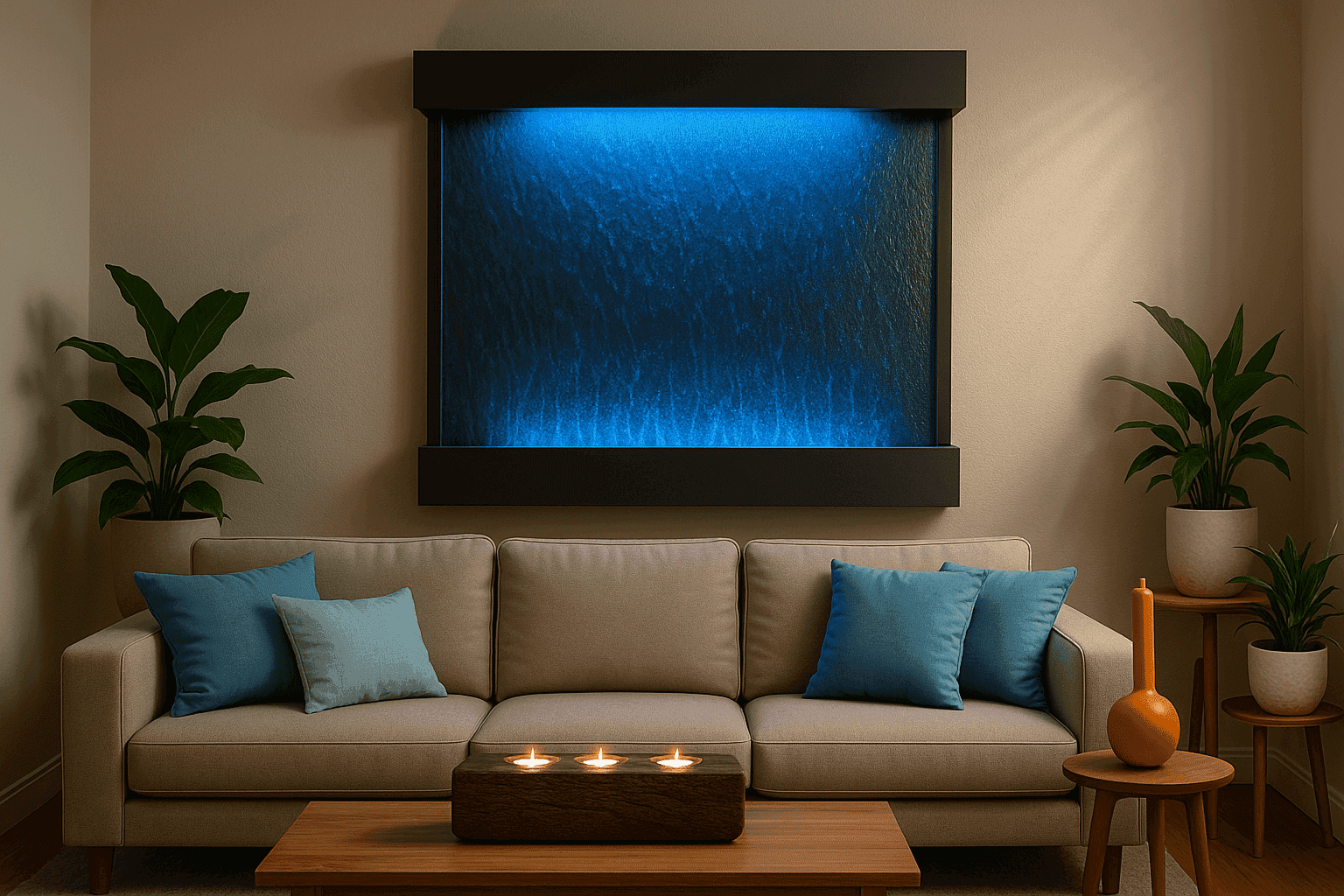
The gentle sound of flowing water creates an atmosphere of tranquility while adding a striking visual element to your home. Indoor water features have evolved from simple tabletop fountains to sophisticated design elements that can serve as room focal points. Beyond their aesthetic appeal, they offer practical benefits—increasing humidity, creating white noise, and even improving air quality—making them both beautiful and functional additions to any living space.
Water Feature Options
| • Wall Fountains: Mounted panels with water flowing over surfaces |
| • Tabletop Fountains: Compact, movable designs for any surface |
| • Floor Fountains: Free-standing features for larger spaces |
| • Bubble Walls: Vertical panels with rising air bubbles |
| • Water Curtains: Controlled sheets of falling water |
| • Materials: Glass, stone, copper, stainless steel, ceramic |
| • Power Options: Electric, solar, battery-operated models |
| • Lighting: LED integration, color-changing effects |
Installation Considerations
- Select the right location. Consider proximity to electrical outlets, potential water damage risks, ambient noise levels, and visual impact. Avoid placing near electronics or valuable items that could be damaged by moisture.
- Evaluate space requirements. Measure your intended location carefully, accounting for both the feature itself and the surrounding area needed for maintenance access and visual appreciation.
- Consider water supply options. Most indoor features recirculate water using a pump system, requiring periodic refilling. For larger features, consider proximity to a water line for automatic refilling systems.
- Plan for electricity needs. Most water features require access to power for pumps and lighting. Consider GFI outlets for safety and concealed cord management for aesthetics.
- Assess floor load capacity. For heavy floor models, ensure your flooring can support the weight of the feature when filled with water. Stone or large ceramic features may require structural reinforcement.
- Consider humidity impacts. Water features increase ambient humidity, which benefits dry environments but could create issues in already humid areas. Choose appropriately sized features for your space.
- Plan for maintenance access. Ensure you can easily access the pump, filter, and water reservoir for regular cleaning and maintenance.
- Add a moisture barrier if needed. For wall-mounted features, consider waterproofing the wall surface or installing a protective barrier to prevent moisture damage.
Create a complete sensory experience by pairing your water feature with complementary elements. Position lush plants nearby to benefit from the increased humidity while enhancing the natural aesthetic. Add strategic lighting that highlights the water's movement, creating dancing reflections on surrounding surfaces. For smaller water features, consider placing them on surfaces where the gentle vibration translates into a subtle massage-like quality—particularly effective in meditation corners or reading nooks where you'll be seated nearby.