Spring Garden Blueprint: Planning Your Perfect Outdoor Space
Create a thoughtful garden design that balances beauty, function, and sustainability
A successful garden begins long before the first seed is planted. Thoughtful planning during late winter and early spring lays the foundation for a thriving outdoor space that balances beauty with functionality. By taking time to assess your site, define your goals, and create a comprehensive plan, you'll avoid common pitfalls while maximizing your garden's potential. Whether you're creating a new landscape or revitalizing an existing one, this strategic approach ensures your spring garden becomes the outdoor oasis you envision.
Planning Tools & Resources
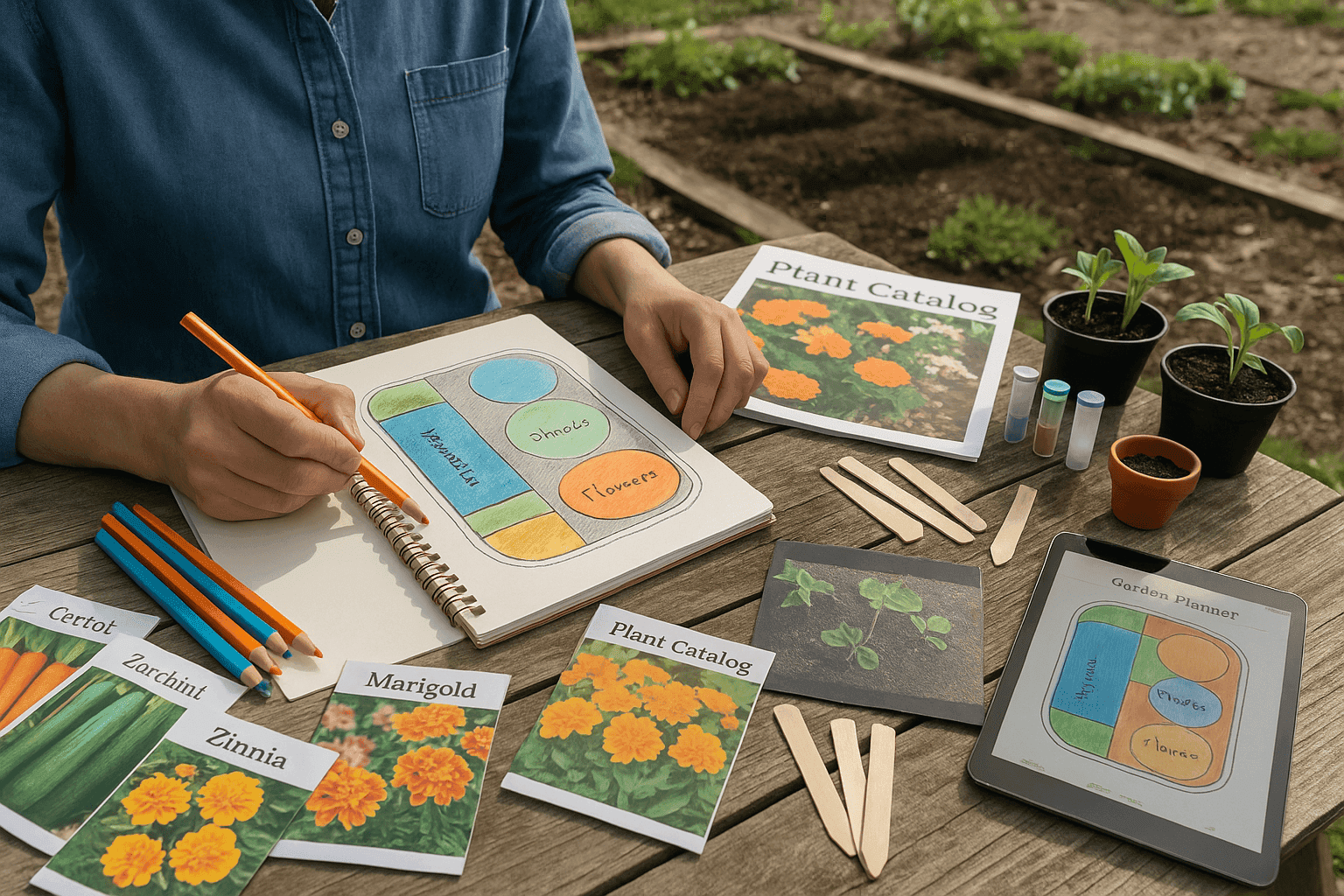
| • Mapping Materials: Graph paper, ruler, compass |
| • Digital Options: Garden planning apps, software |
| • Reference Materials: Plant catalogs, gardening books |
| • Testing Supplies: Soil test kits, pH meters |
| • Observation Tools: Camera, notebook, thermometer |
| • Information Sources: Local extension offices, nurseries |
| • Plant Labels: Markers, tags, mapping systems |
| • Budgeting Tools: Spreadsheets, cost estimators |
| • Calendar System: Planting schedules, maintenance log |
Planning Process
- Define your garden goals and priorities. Consider what matters most:
- Aesthetic priorities (color schemes, styles, focal points)
- Functional needs (entertaining space, play areas, privacy)
- Food production (vegetables, herbs, fruit trees)
- Environmental goals (wildlife habitat, native plantings)
- Maintenance considerations (available time, physical limitations)
- Budget constraints and phasing possibilities
- Conduct a thorough site assessment. Document existing conditions:
- Measure and map your property dimensions accurately
- Identify fixed elements (structures, utilities, large trees)
- Note sun patterns throughout the day using a sun tracking app
- Observe drainage patterns, particularly after rainfall
- Identify problem areas (erosion, compaction, poor growth)
- Test soil pH, texture, and nutrient content
- Document microclimates (frost pockets, wind tunnels, heat islands)
- Research plants suited to your conditions. Create your palette:
- Focus on plants adapted to your hardiness zone
- Consider native species for ecological benefits and adaptation
- Match plant requirements to your site conditions
- Study mature dimensions to prevent overcrowding
- Research seasonal interest (bloom times, fall color, winter structure)
- Consider maintenance needs and growth rates
- Group plants with similar water and sun requirements
- Create a functional garden layout. Design with intention:
- Divide space into "rooms" or zones based on function
- Plan primary pathways at least 4 feet wide for comfortable access
- Design gathering spaces with appropriate dimensions (dining, seating)
- Consider traffic flow and connections between areas
- Plan storage locations for tools, equipment, and garden supplies
- Incorporate focal points that draw the eye and create interest
- Design for all-season interest with succession planting
- Develop a planting plan. Create a visual blueprint:
- Draw your garden to scale, using graph paper or digital tools
- Mark locations of large anchor plants and trees first
- Group plants in odd numbers for natural-looking arrangements
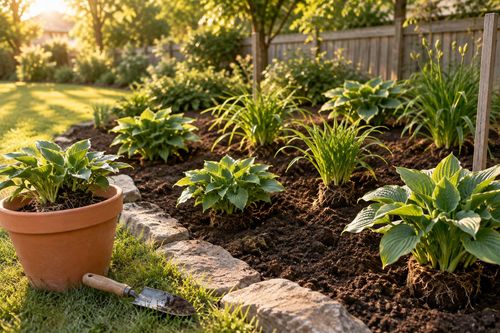
- Layer plantings with taller species in back, shorter in front
- Plan for plant spacing based on mature sizes
- Create plant combinations that provide year-round interest
- Include notes on maintenance requirements for each area
- Consider infrastructure and hardscaping. Plan the garden's backbone:
- Design irrigation systems before planting begins
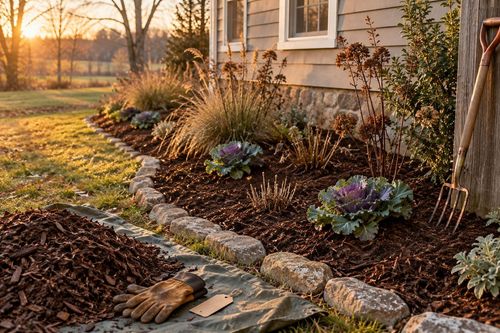
- Plan hardscape features (patios, paths, walls, edging)
- Incorporate lighting for safety and evening enjoyment
- Design drainage solutions to prevent water issues
- Consider shade structures where needed
- Plan for utility needs (water sources, electrical outlets)
- Create a realistic implementation timeline. Stage your garden creation:
- Prioritize projects based on importance and seasonality
- Schedule hardscaping before planting begins
- Plan installations according to optimal planting windows
- Allow for budget-friendly phasing over multiple seasons
- Schedule soil preparation well ahead of planting time
- Account for lead time on special orders or custom elements
- Develop a maintenance strategy. Plan for long-term success:
- Create a seasonal maintenance calendar with key tasks
- Document watering requirements for different garden zones
- Plan mulching and fertilization schedules
- Establish pruning timelines for various plants
- Develop integrated pest management strategies
- Create systems for garden record-keeping and evaluation
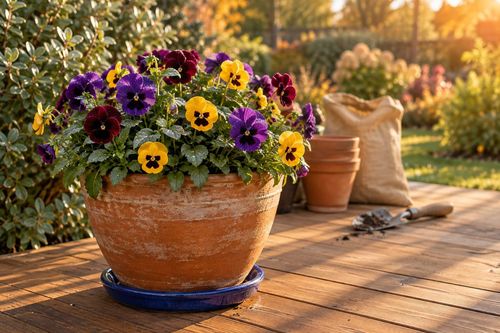
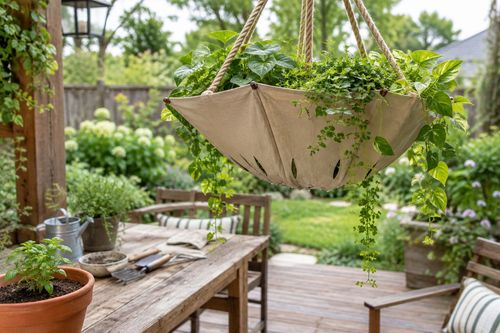
Professional landscape designers use the concept of "borrowed scenery" to maximize garden impact—identify attractive views beyond your property (mountain vistas, mature trees, architectural features) and frame them within your garden design while screening unsightly elements. When planning plant combinations, follow the "thriller, filler, spiller" approach: include vertical, attention-grabbing elements (thrillers), mid-height plants that add mass (fillers), and trailing varieties that soften edges (spillers). This three-part formula creates visually complete groupings that work in beds, borders, and containers alike, giving your garden a cohesive, professionally designed appearance regardless of your experience level.