Spring Simplified: The Art of Mindful Decluttering
Transform your home and mindset with a thoughtful approach to seasonal clearing and organizing
Spring cleaning is a tradition that extends beyond simple housekeeping—it's an opportunity to refresh both your living space and mindset. By approaching decluttering with intention rather than as a chore, you can create a home that feels lighter, brighter, and more aligned with your current needs and values. This mindful method focuses on quality over quantity, keeping what truly serves you while creating space for new possibilities. The result is not just a tidier home but a more peaceful and intentional living environment.
What You'll Need
| Organization Supplies: |
| • Sorting boxes/bins (keep, donate, relocate, recycle) |
| • Storage containers in various sizes |
| • Label maker or sticky labels |
| • Measuring tape (for storage solutions) |
| Cleaning Materials: |
| • All-purpose cleaner |
| • Microfiber cloths |
| • Vacuum with attachments |
| • Duster with extension |
| Planning Tools: |
| • Notebook or digital planner |
| • Calendar for scheduling sessions |
| • Timer for focused decluttering intervals |
| Refreshing Elements: |
| • Essential oil diffuser or room spray |
| • Fresh flowers or plants |
| • Light, seasonal textiles |
| • Small decorative items for restyling |
How To Do It
- Set your intention: Before beginning, clarify what you hope to achieve beyond just tidiness. Consider how you want your home to feel and function, and identify specific areas that cause stress or don't serve your current lifestyle.
- Create a realistic plan: Rather than tackling your entire home at once, break the process into manageable sections. Create a calendar with specific areas scheduled for different days or weekends, allowing adequate time for each without overwhelming yourself.
- Start with a visualizing exercise: For each area, take a moment to envision how you'd like the space to look and function when complete. This clarity helps guide decision-making during the sorting process.
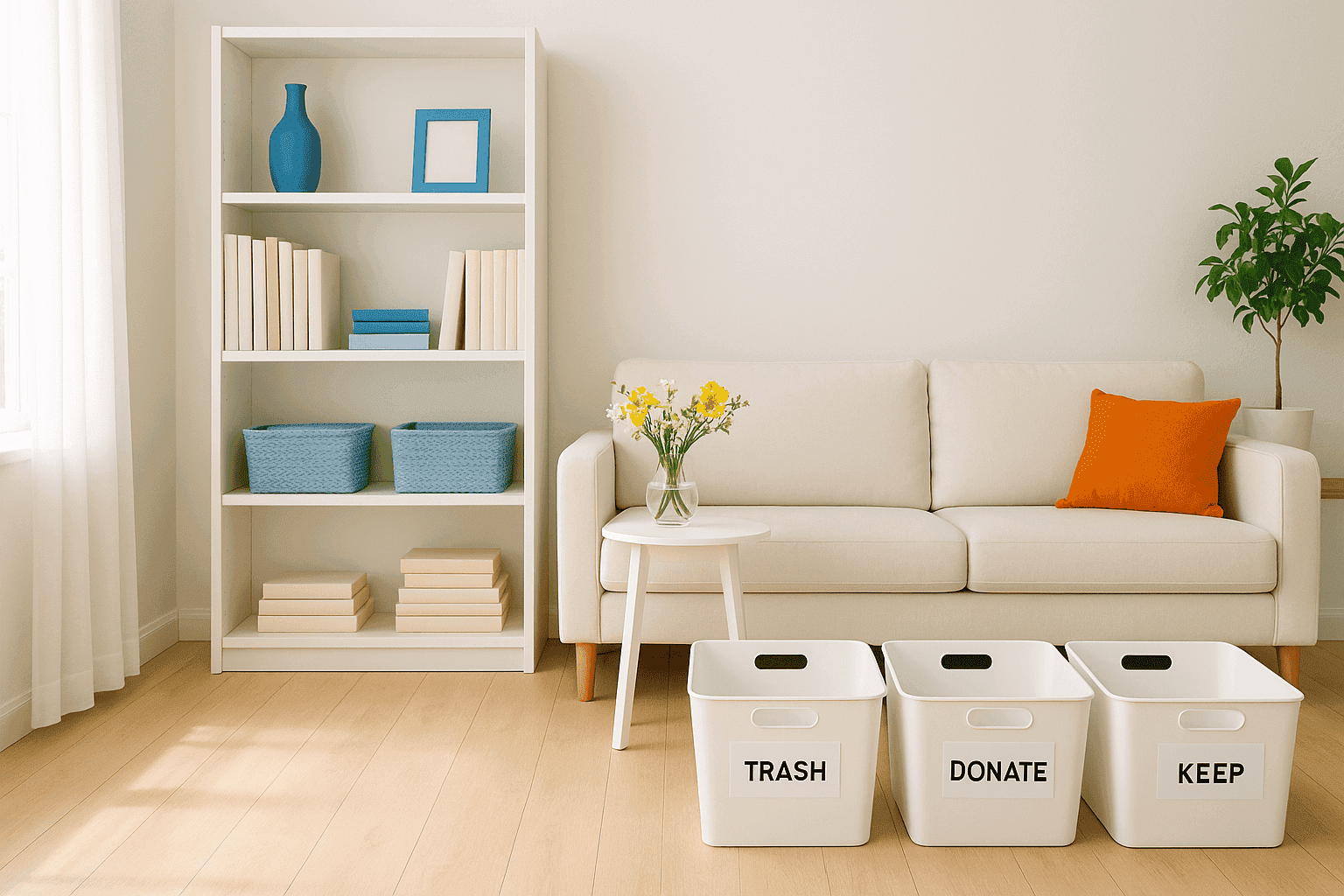
- Use the four-box method: For each space, set up four containers:
- Keep - items you use regularly and love
- Donate/Sell - items in good condition that could benefit others
- Relocate - items that belong elsewhere in your home
- Recycle/Trash - items that cannot be donated or used
- Ask mindful questions: As you handle each item, consider:
- Does this item enhance my life or home?
- Have I used it in the past year?
- Would I buy this item again today?
- Am I keeping this out of obligation or genuine appreciation?
- Does it support the vision I have for this space?
- Practice gratitude in releasing: When deciding to part with items, acknowledge their past value in your life. This mindset shift transforms decluttering from a negative process of "getting rid of things" to a positive practice of gratitude and intentional choice.
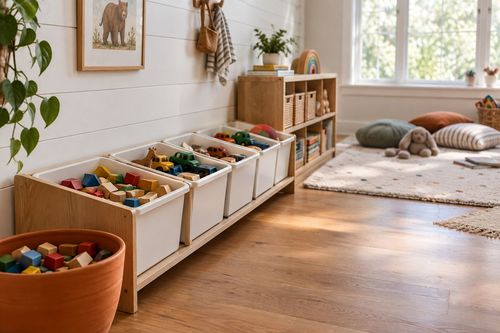
- Create homes for everything: Once you've decided what to keep, establish specific locations for each item. Use appropriate storage solutions that make items accessible but maintain visual calm. Label containers for future reference.
- Complete the cycle: Don't consider the job done until donation items have been delivered, recyclables processed, and relocated items have found their proper homes. This final step prevents half-finished projects and the accumulation of "to donate" piles.
- Refresh and reset: Once decluttered and organized, give the space a thorough cleaning. Then add thoughtful touches like a small plant, light-scented diffuser, or a few carefully chosen seasonal decorative elements that align with your vision for the space.
- Establish maintenance routines: Create simple daily or weekly habits to maintain your newly organized spaces. Five-minute daily resets are more effective than occasional marathon organizing sessions.
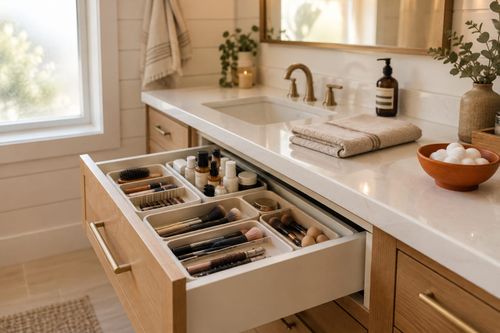
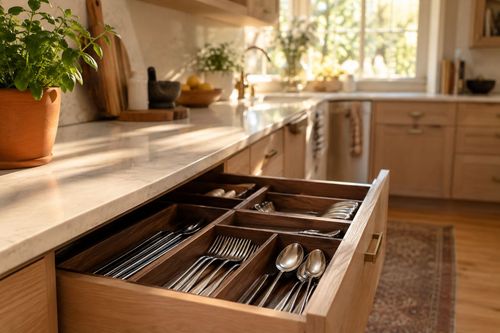
Professional organizers and interior designers know that the most beautifully organized homes share a common characteristic: intentional negative space. Rather than filling every surface and storage area to capacity, aim to leave at least 20% of each shelf, drawer, and surface empty. This breathing room not only creates visual calm but also allows flexibility for the natural ebb and flow of possessions. Another designer secret is the concept of "homes within homes"—using smaller containers within drawers or cabinets to create boundaries for different categories of items. This prevents sprawl and makes maintenance significantly easier. Finally, consider the "one in, one out" rule for ongoing simplicity: when bringing new items into your home, identify something to release, maintaining the thoughtful balance you've created through your decluttering efforts.