Stop Cold Drafts: Install Door Sweeps in 15 Minutes
A quick threshold upgrade that blocks winter drafts and instantly makes your home more comfortable and energy-efficient
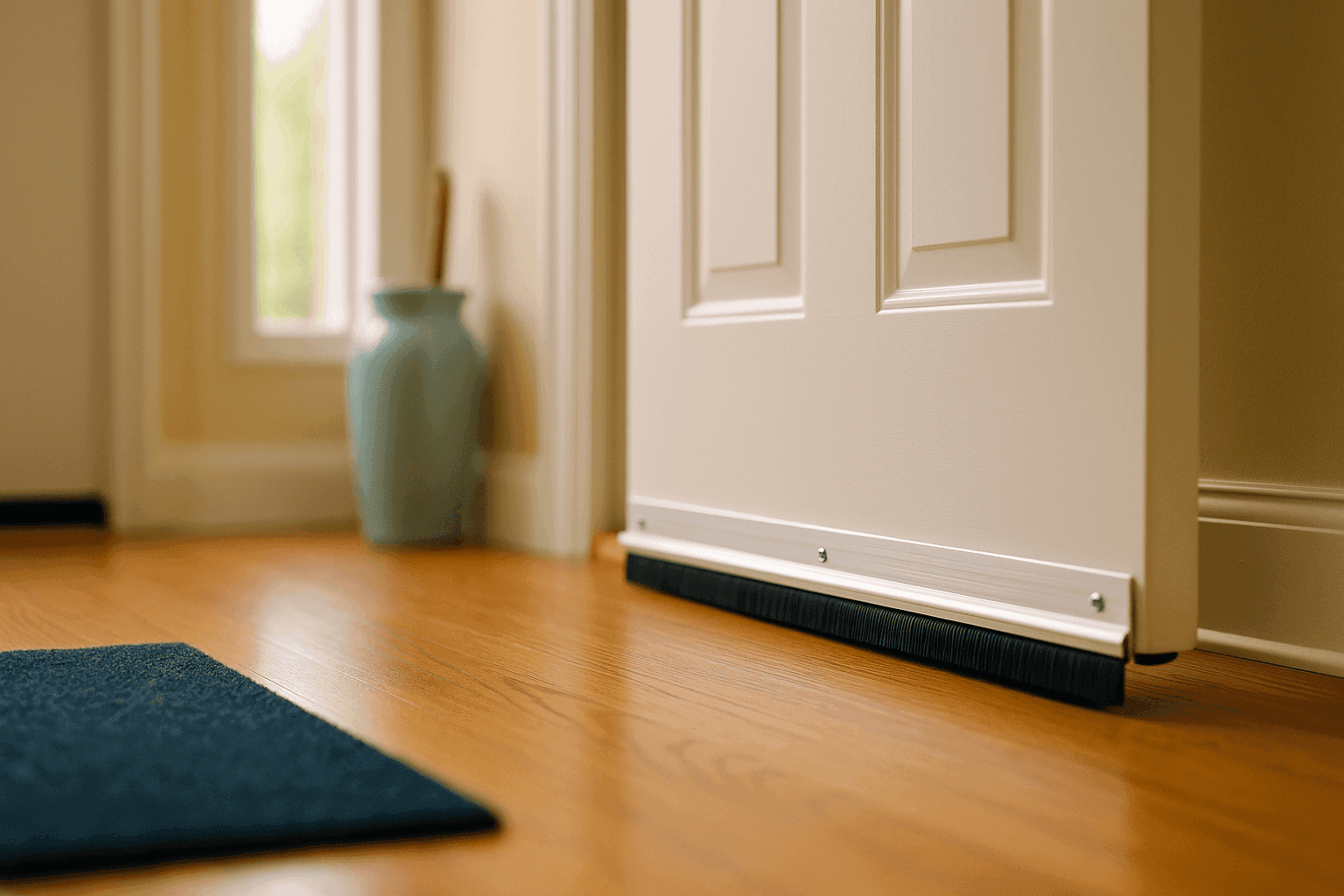
If you've ever felt that icy breeze creeping under your exterior doors on a cold day, you know exactly how uncomfortable even a small gap can make your entire room feel. Door sweeps are one of those incredibly simple upgrades that deliver immediate, noticeable results—the moment you install one, you can literally feel the difference. This project takes about 15 minutes per door and costs less than $15, yet it can reduce your heating bills by preventing conditioned air from escaping through that vulnerable threshold gap. I've installed these on every exterior door in my home, and the combination of improved comfort and energy savings makes this one of the best returns on investment for any DIY project. Whether you're dealing with winter cold or summer heat, a properly installed door sweep creates that crucial seal between your controlled indoor environment and the unpredictable outdoors.
What You'll Need
- Materials:
- Adjustable door sweep (measure your door width first—typically 32" or 36")
- Most sweeps come with mounting screws included
- Optional: silicone sealant for extra weatherproofing
- Tools Required:
- Tape measure
- Pencil for marking
- Drill with Phillips head bit
- Hacksaw (if door sweep needs trimming to fit)
- Level (optional but helpful for alignment)
- Sweep Types to Consider:
- Brush-style: Best for uneven thresholds
- Vinyl or rubber blade: Maximum draft blocking
- Automatic lift: Rises when door opens (premium option)
- Total Cost: $10-15 per door
Installation Steps
- Measure your door width accurately at the bottom, accounting for any decorative trim or molding. Most exterior doors are standard 36 inches, but it's always better to measure than assume—a sweep that's too short won't seal properly.
- Remove the old sweep if one exists by unscrewing it from the door bottom. Clean away any dirt, debris, or old adhesive residue with a damp cloth so your new sweep has a clean surface to seal against.
- Trim the new sweep to exact length if needed using a hacksaw, cutting slowly and steadily through the metal channel. Most adjustable sweeps are designed to be cut, so don't worry about ruining it—just measure twice and cut once.
- Position the sweep on the interior side of the door with the flexible seal touching the threshold when the door is closed. The sweep should compress slightly against the floor without binding the door—about 1/8-inch compression is perfect.
- Mark screw holes with your pencil through the sweep's mounting slots, making sure the sweep is level and centered. Use at least three mounting points for doors 36 inches or wider to prevent sagging over time.
- Drill pilot holes at each mark using a bit slightly smaller than your screws—this prevents the door from splitting and makes driving the screws much easier, especially if you're working with a solid wood door.
- Attach the sweep by driving screws through the mounting slots and into your pilot holes, starting with the center screw and working outward. Don't overtighten, as this can warp the sweep and compromise the seal.
- Test and adjust by closing the door several times and checking that it seals completely without too much resistance. Most sweeps have slots instead of holes, allowing you to fine-tune the height even after installation for that perfect seal.
Professional weatherization contractors often install door sweeps in combination with threshold replacements for maximum efficiency. If your threshold is damaged, uneven, or significantly worn, consider upgrading to an adjustable aluminum threshold at the same time—they're designed to work together and create an even better seal. The adjustable threshold can be raised or lowered with a hex key to match your door sweep perfectly, and this combo installation can reduce air infiltration by up to 90% compared to addressing just one component. It's a slightly bigger project, but if you're already investing the time to improve your door's efficiency, going all the way makes sense.