The Overlooked Detail That Makes Your Whole House Feel Polished
Clean every doorknob, hinge, and piece of hardware for instant elevated elegance
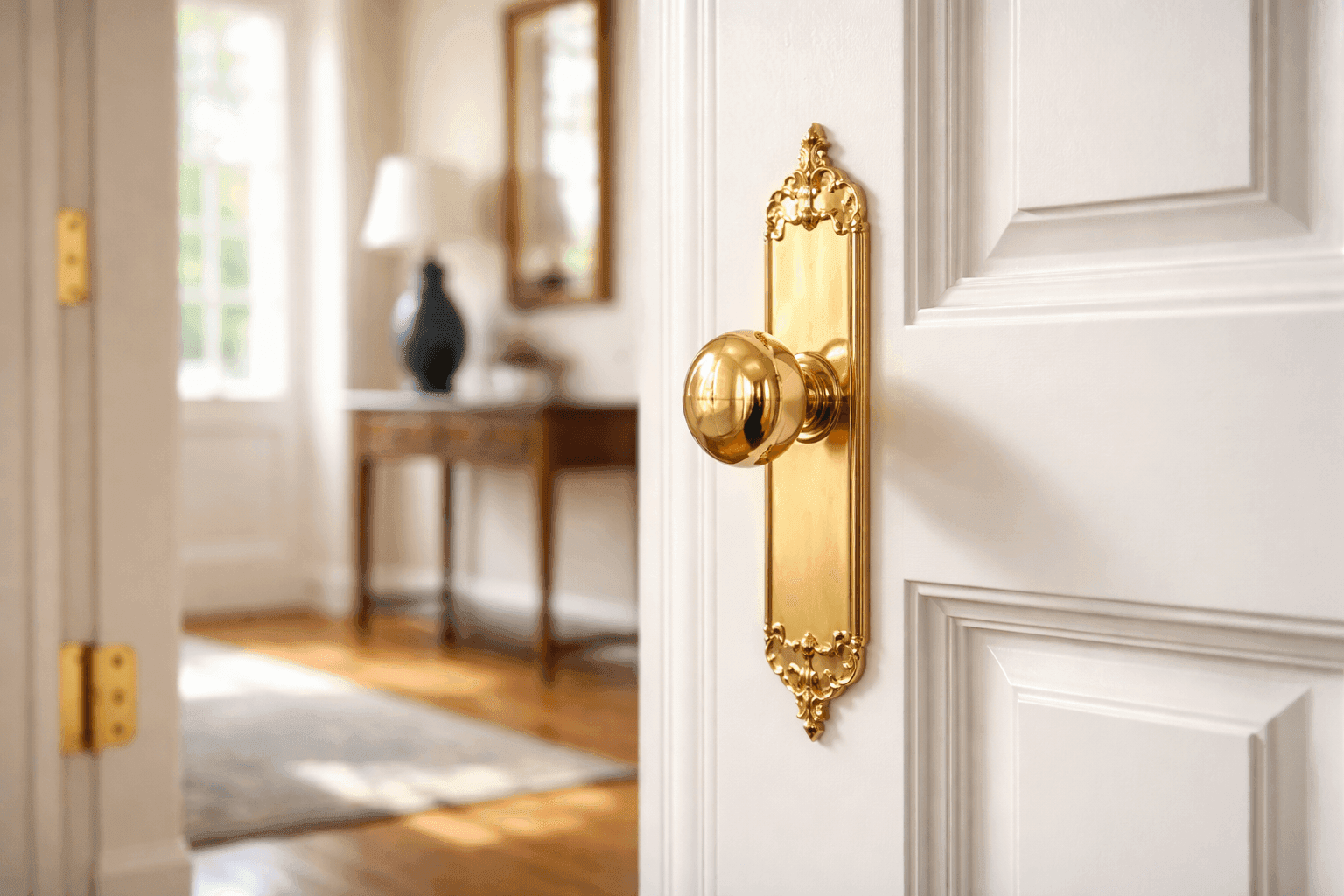
You touch doorknobs and handles dozens of times every day without consciously noticing them, but your brain absolutely registers when they're grimy, tarnished, or covered in fingerprints—and that subconscious awareness affects how polished and well-maintained your entire home feels. Cleaning every piece of door hardware throughout your house creates a surprisingly dramatic shift in overall impression, like how a fresh haircut makes your whole outfit look better even though you're wearing the same clothes. I did this for the first time before hosting guests and was shocked at the difference it made—suddenly my home felt more intentional, more cared-for, more expensive somehow, even though nothing else had changed. The whole-house project takes 2-3 hours depending on how many doors you have, costs under $15 in cleaning supplies, and delivers that luxury hotel feeling where every detail has been attended to. Think of it as jewelry for your house—when the small finishing touches shine, everything else looks more elegant by association.
What You'll Need
- Brass polish (for brass hardware): Cream or liquid type like Brasso or Wright's ($5-8)
- All-purpose cleaner or soapy water: For non-brass hardware like stainless steel, nickel, or bronze (use what you own)
- Microfiber cloths: Multiple clean cloths for cleaning and buffing ($4-6 for a pack, or use what you have)
- Old toothbrush: For scrubbing crevices and decorative details
- Cotton swabs: For tight spots around screw heads and intricate patterns
- Glass cleaner (optional): For final fingerprint removal on all finishes
- Small bowl with warm water: For rinsing cloths between doors
- Paper towels: For initial wipe-down and drying
- Screwdriver (optional): If you want to remove hardware for deep cleaning
Step-by-Step Instructions
- Survey your hardware by walking through your home and identifying what type of finish each piece has—brass, bronze, nickel, stainless steel, or painted—because different materials require different cleaning methods
- Start with dry dusting by wiping down all hardware with a dry microfiber cloth to remove loose dust and debris, which prevents scratching when you start wet cleaning
- Clean non-brass hardware first using all-purpose cleaner or soapy water on stainless steel, nickel, and painted finishes—spray onto your cloth rather than directly on hardware to avoid drips on doors
- Polish brass pieces by applying brass polish with a soft cloth and working it into tarnished areas with circular motions—use your old toothbrush for decorative grooves where tarnish hides deepest
- Let polish work its magic for the time specified on the product (usually 1-2 minutes), watching as tarnish lifts and brass brightens to its original golden tone
- Buff to shine using a clean, dry microfiber cloth to remove all polish residue and bring out maximum gleam—this buffing step is where the real transformation happens
- Detail with cotton swabs by cleaning around screw heads, hinge pins, and any tight corners where grime accumulates but cloths can't reach effectively
- Final fingerprint removal by lightly misting glass cleaner on a clean cloth and giving every piece one last wipe to remove any oils from your hands during the cleaning process—then admire your sparkling hardware throughout the house
Interior designers pay close attention to hardware consistency throughout homes because mismatched finishes create visual chaos even when individual pieces are clean. If you have a mix of brass, nickel, and bronze throughout your house, consider this cleaning session an opportunity to audit whether you want to gradually replace everything with one cohesive finish—it's one of those subtle upgrades that dramatically elevates a home's polish. For lacquered brass hardware (which has a protective coating), never use brass polish as it will damage the lacquer; instead, just clean with mild soap and water. The secret to maintaining that just-polished look is wiping down high-touch hardware weekly with a microfiber cloth—thirty seconds of prevention beats an hour of deep cleaning later. Don't forget less obvious hardware like cabinet pulls, light switch plates, and curtain rod finials, which contribute to the overall impression of attention to detail. For antique brass that you want to keep looking authentically aged rather than shiny-new, use a gentler approach with just soap and water instead of aggressive polishing. Professional cleaners always finish hardware cleaning by wiping down the surrounding door and trim areas too, because spotless hardware next to grimy doors defeats the purpose. Consider doing this deep clean seasonally—four times a year keeps hardware looking consistently polished without becoming an overwhelming project.