Transform Your Patio Into a Year-Round Gathering Space
Extend your outdoor entertaining season with strategic heating solutions
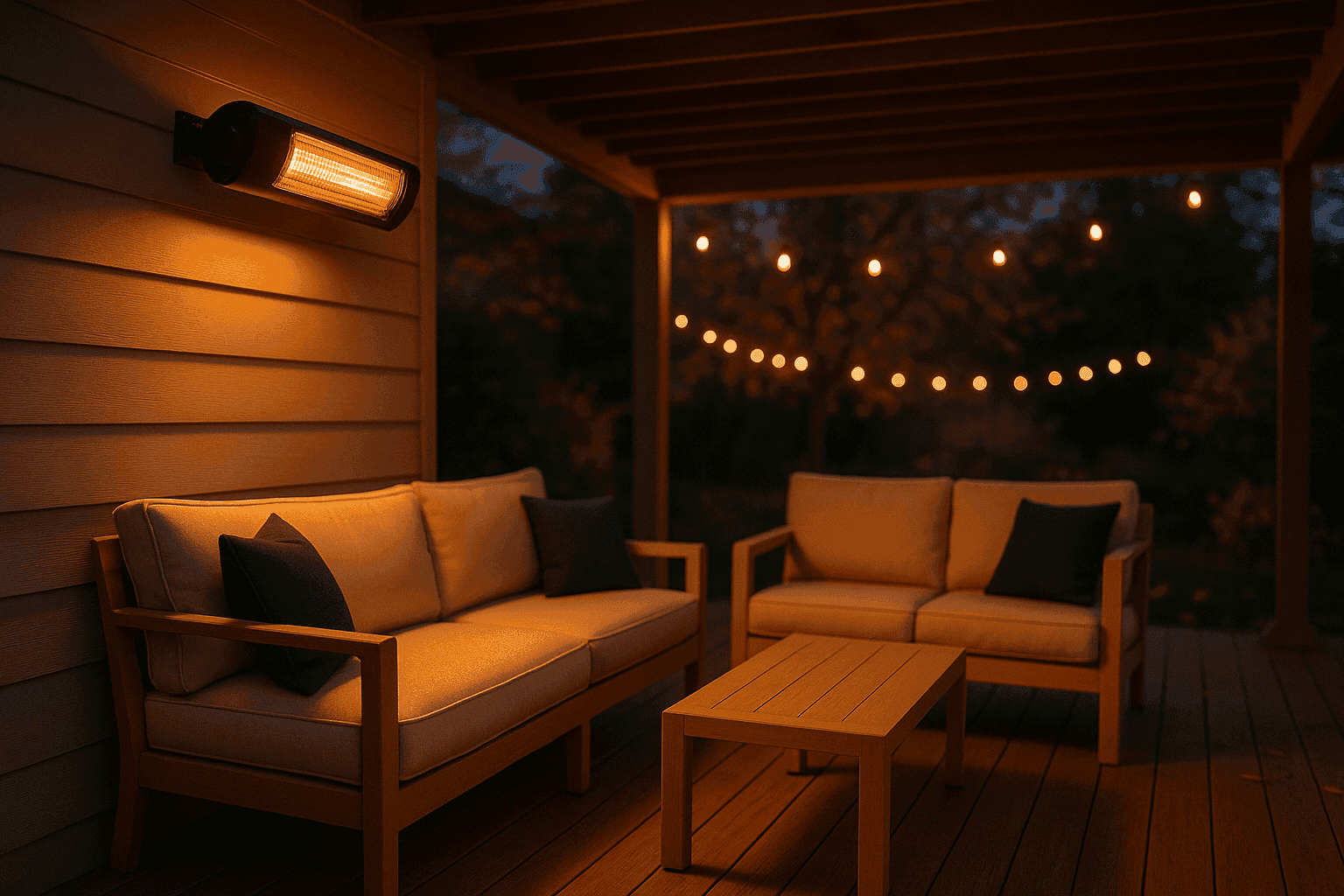
There's something magical about outdoor entertaining that shouldn't end just because the temperature drops. Installing a porch heater is one of those game-changing upgrades that completely transforms how you use your outdoor space, turning what used to be a three-season area into a comfortable gathering spot nearly year-round. Whether you're hosting fall dinner parties, enjoying morning coffee on crisp winter days, or just extending those summer evenings a bit longer, the right heating solution makes all the difference. The best part is that modern outdoor heaters are surprisingly affordable and straightforward to install yourself, with most projects taking just an afternoon and costing around $80 to $150 depending on your choice of heating style. You're not just adding warmth—you're reclaiming months of outdoor living that would otherwise be lost to chilly weather.
What You'll Need
- Heating Equipment:
- Electric infrared patio heater (1500W wall-mount or ceiling-mount, $80-$150)
- Or propane patio heater (standing model, $120-$200 plus tank)
- Installation Hardware:
- Mounting bracket (usually included with electric models)
- 3-inch wood screws or masonry anchors (depending on mounting surface)
- Outdoor-rated weatherproof electrical box (if hardwiring)
- 14-gauge outdoor electrical wire (if hardwiring)
- Tools:
- Drill with appropriate bits (wood or masonry)
- Stud finder (for wood structures)
- Level
- Wire strippers (if hardwiring)
- Voltage tester
- Measuring tape
- Pencil for marking
Step-by-Step Installation
- Choose Your Location: Select a mounting spot on your porch ceiling or wall that's at least 6 feet above the seating area and positioned to heat your main gathering zone—you want the warmth directed at people, not wasted heating empty corners.
- Check Power Access: For electric models, identify the nearest outdoor GFCI outlet or plan your hardwiring route to your electrical panel, making sure you're comfortable working with electricity or planning to hire an electrician for the connection.
- Locate Studs or Joists: Use your stud finder to locate solid mounting points in your porch ceiling or wall, marking them clearly with a pencil since these heaters can weigh 15-20 pounds and need secure attachment.
- Mount the Bracket: Hold your mounting bracket against the ceiling or wall, using your level to ensure it's perfectly straight, then drill pilot holes and secure with appropriate screws or anchors rated for the weight of your specific heater model.
- Connect Power Source: Either plug your heater into a nearby outdoor GFCI outlet using the manufacturer's cord, or carefully hardwire following local electrical codes and the manufacturer's wiring diagram—always turn off power at the breaker first and test with your voltage tester.
- Attach the Heater: Lift your heater unit onto the installed bracket, making sure it clicks or locks into place securely according to the manufacturer's instructions, then double-check that it's angled correctly to direct heat toward your seating area.
- Test Operation: Turn on power at the breaker, test all heating settings and safety features, and let the unit run for 10-15 minutes to ensure it's operating properly and directing heat where you want it.
- Set Safety Clearances: Verify you have proper clearance from combustible materials (usually 3 feet minimum in all directions), ensure no furniture or plants are too close, and confirm the heater is beyond reach of curious kids or pets when operating.
Professional outdoor designers often create "heat zones" rather than trying to warm the entire porch. Install your heater to focus on your primary seating cluster—typically an 8-10 foot radius—and consider adding a second smaller heater if you have multiple conversation areas. For electric infrared models, positioning them at a 45-degree angle rather than straight down creates more even heat distribution and eliminates that uncomfortable "hot head, cold feet" feeling. If you're torn between electric and propane, remember that electric infrared heaters provide instant, focused heat and require zero maintenance, while propane offers portability and typically higher BTU output for larger spaces—many homeowners end up installing one permanent electric unit for everyday use and keeping a portable propane heater for parties.