Wall Perfection: Fix Small Drywall Holes Like a Pro
Make nail holes and dings disappear with simple techniques that leave walls flawless
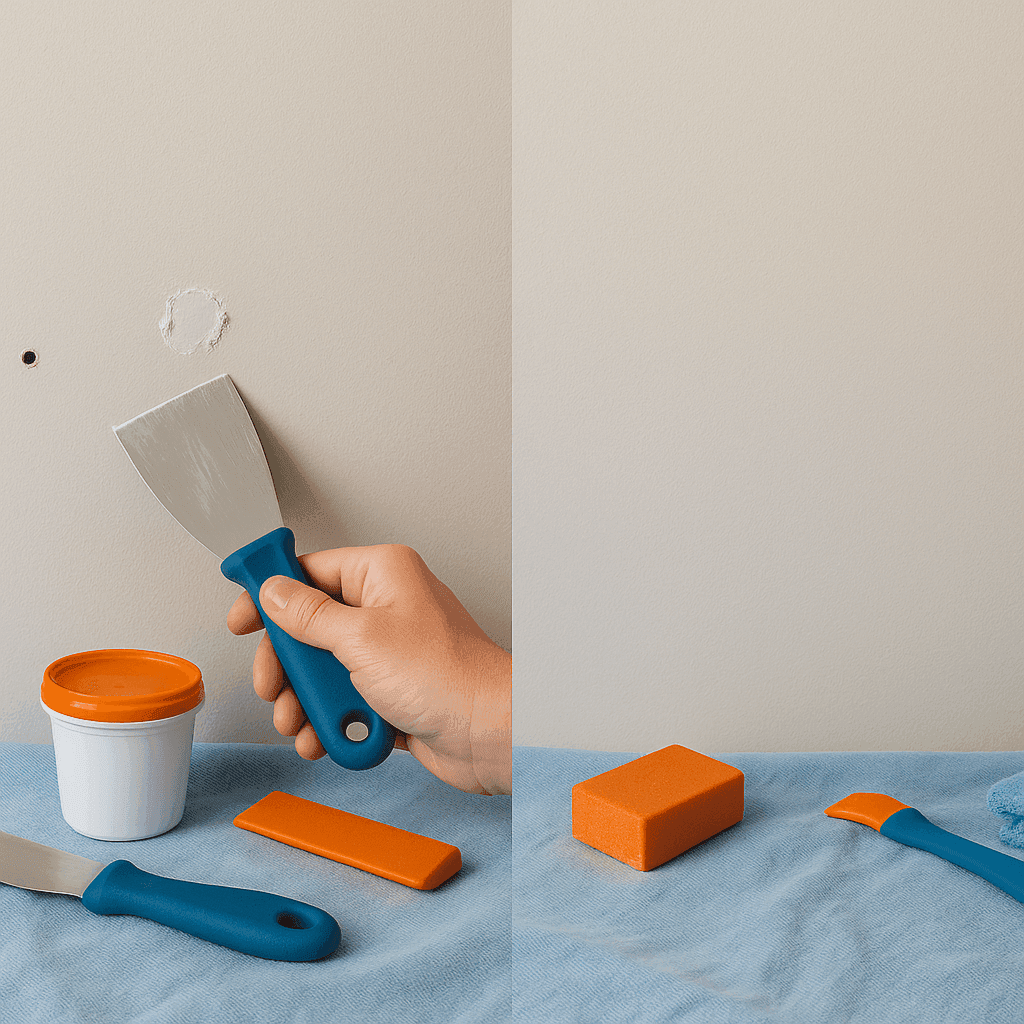
I used to live with walls that looked like they'd been through a small battle – nail holes, picture hanging mishaps, and those mysterious dings that somehow appear out of nowhere! Learning to patch these little imperfections changed everything about how polished my home looks, and honestly, it's one of those skills that makes you feel incredibly handy while being surprisingly simple. There's something deeply satisfying about watching a damaged wall transform back to smooth perfection with just a few basic materials and techniques. The best part is how this skill gives you the confidence to rearrange artwork and redecorate without worrying about the holes left behind. Once you master these techniques, you'll never have to live with unsightly wall damage again, and your walls will look professionally maintained all the time!
Repair Supplies
- Spackle: Lightweight spackling compound for small holes and dents ($5-8)
- Application Tool: Flexible putty knife, 2-3 inch width for smooth application ($6-10)
- Sanding Materials: Fine-grit sandpaper (120-220 grit) and sanding block ($5-8)
- Touch-up Paint: Matching wall paint in small container or sample size ($3-8)
- Painting Tools: Small brush or foam applicator for precise coverage ($3-6)
- Prep Materials: Drop cloth, clean rags, vacuum for dust cleanup ($8-12)
- Total Cost: Under $25 for supplies to fix dozens of small wall imperfections
Repair Process
- Clean holes by removing any loose drywall paper or debris with gentle brushing
- Apply spackle with putty knife, overfilling slightly to account for shrinkage
- Smooth surface immediately, feathering edges to blend with surrounding wall
- Allow first coat to dry completely according to manufacturer's instructions
- Sand lightly with fine-grit paper until surface is perfectly smooth and flush
- Apply second thin coat if needed, focusing on any remaining low spots
- Prime patched areas if using different paint brand or significant color change
- Touch up with matching paint using light, feathered strokes for invisible repair
Professional painters know that the secret to invisible repairs is all in the touch-up technique. Here's what most DIYers miss: always use the same applicator type for touch-ups as was used for the original paint job – if your walls were rolled, use a small roller for touch-ups, not a brush. My pro trick for perfect color matching? Take paint samples in different lighting conditions throughout the day before committing to touch-up paint. Also, apply spackle in thin coats rather than trying to fill deep holes all at once – this prevents shrinkage cracks that create more work later. The ultimate professional move is to keep a detailed paint log with brands, colors, and finish types for every room!