Weekend Bathroom Upgrade: Install Your Own Exhaust Fan
Say goodbye to foggy mirrors and hello to proper ventilation in just one afternoon
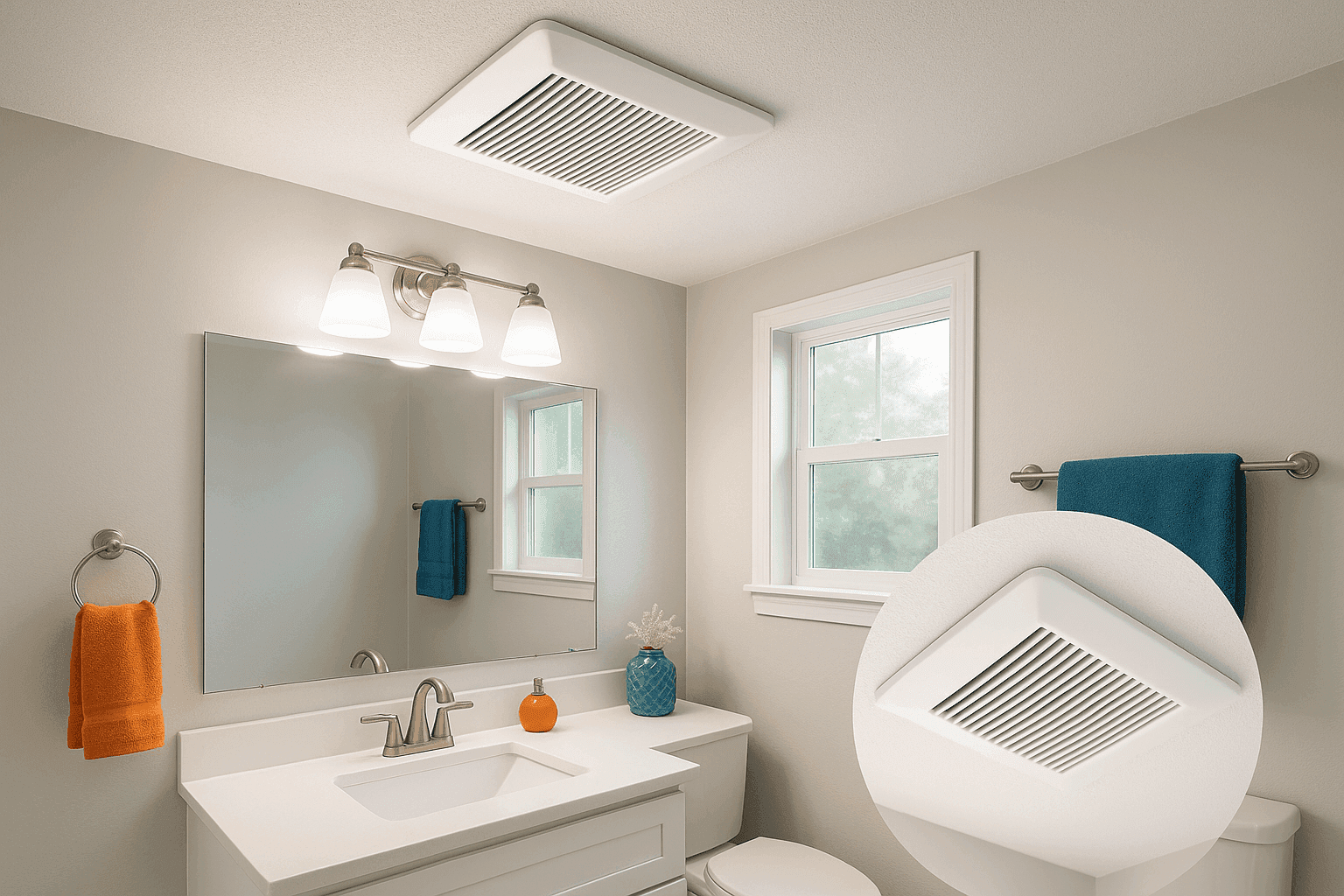
Nothing says "I'm adulting properly" like a bathroom that doesn't turn into a tropical rainforest every time someone takes a shower! Installing your own exhaust fan is one of those projects that makes you feel incredibly accomplished while solving a real problem. With fall approaching and more time spent indoors, proper ventilation becomes even more crucial for preventing mold, mildew, and that perpetually foggy mirror. This weekend project costs under $150 and will have you wondering why you waited so long to tackle it. Trust me, your bathroom (and your family) will thank you for finally getting serious about ventilation.
What You'll Need
- Exhaust Fan Kit: Choose CFM rating based on bathroom size (typically 50-110 CFM, around $80-120)
- 4-inch flexible ductwork (about $15 for 8 feet)
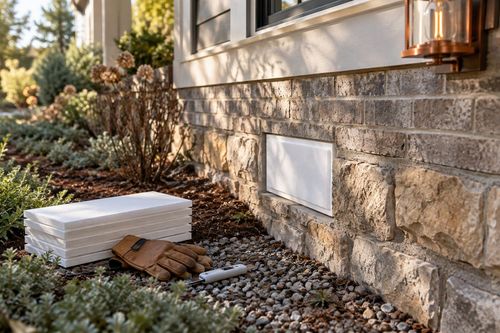
- Exterior vent cap with damper ($20-30)
- Wire nuts and 14-gauge electrical wire (if extending circuit)
- Duct tape and foil tape for sealing connections
- Tools: Drill with hole saw attachment, reciprocating saw, screwdriver, wire strippers
- Safety gear: Safety glasses, dust mask, headlamp or flashlight
Step-by-Step Installation
- Plan your route from ceiling to exterior wall, avoiding obstacles and keeping ductwork as straight as possible
- Turn off electricity at the breaker and locate existing electrical source (usually the light switch circuit)
- Cut the ceiling hole using the template provided with your fan, between two ceiling joists
- Drill the exterior wall hole from inside out, then finish from outside with the hole saw
- Install the exterior vent cap first, sealing well with caulk around the edges
- Connect ductwork from exterior vent to fan location, securing with foil tape at all joints
- Wire the fan according to manufacturer instructions, typically connecting to existing light circuit
- Mount the fan housing, attach ductwork, and install the cover grille to complete the project
Here's what most DIYers miss: the key to a quiet, efficient fan is proper ductwork installation. Always use rigid metal ductwork when possible instead of flexible, and never make more than two 90-degree turns. If you must use flexible duct, stretch it completely tight – sagging creates turbulence and reduces efficiency by up to 40%. Pro installers also add a piece of foam weatherstripping between the fan housing and ceiling joists to eliminate vibration noise. Your future self will appreciate the extra 10 minutes this takes!