Year-Round Comfort: Add Heating to Your Ceiling Fan
Transform existing fans into dual-purpose comfort systems that extend outdoor living season
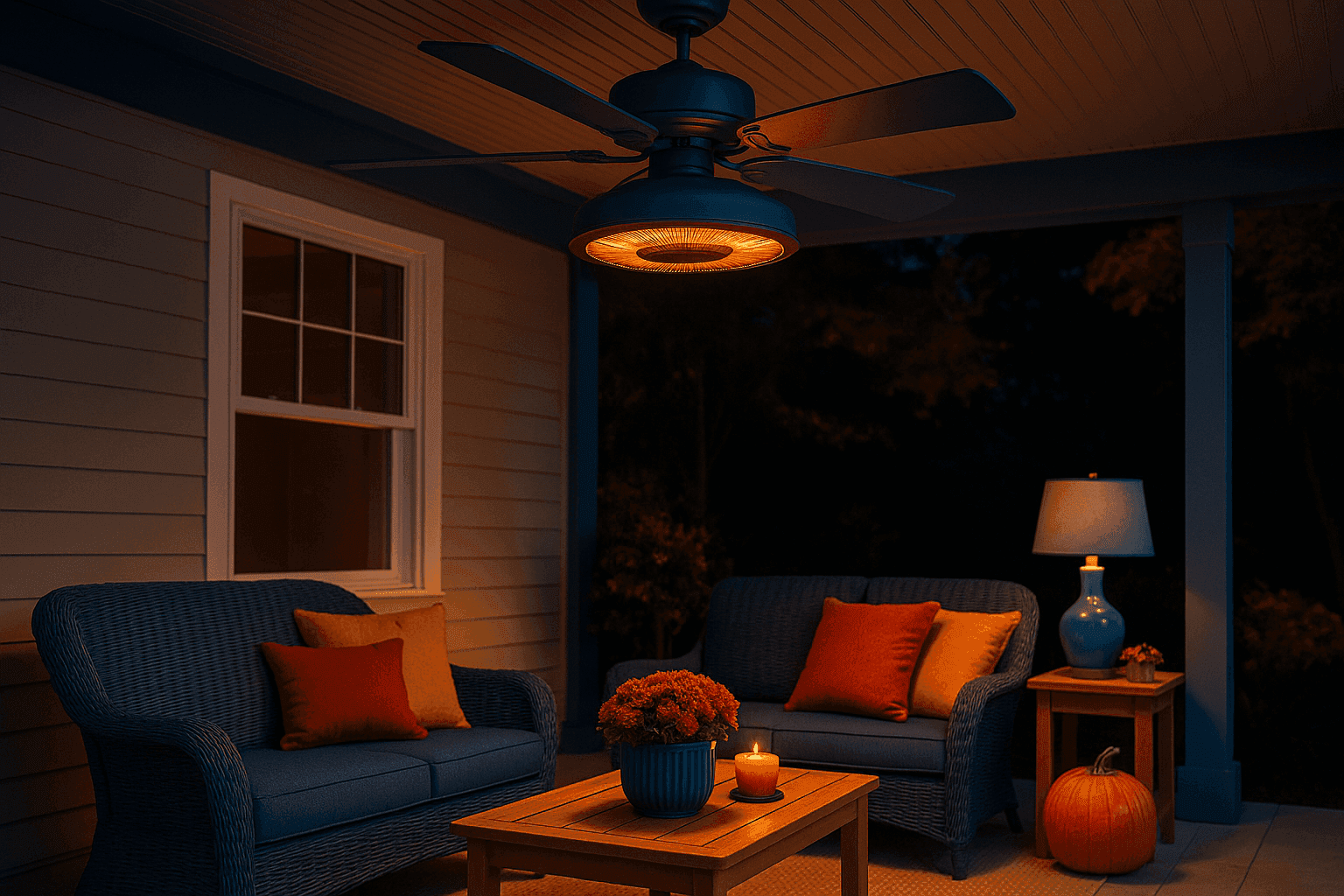
I installed a heating element in my porch ceiling fan last fall, and it completely changed how much I use my outdoor space during the cooler months! There's something absolutely magical about sitting on the porch with warm air gently circulating overhead while enjoying the crisp autumn air and changing leaves. What started as a way to get a few more weeks out of porch season turned into year-round outdoor comfort that makes my covered porch the most popular spot in the house. The combination of gentle airflow and radiant heat creates this perfect microclimate that keeps you comfortable without making the space feel stuffy or overheated. Installing a fan heater has essentially given me an extra room that I can enjoy through multiple seasons, and guests are always amazed at how cozy the porch feels even when it's chilly outside. It's like having the best of both worlds – the fresh air of outdoor living with the comfort of indoor heating!
Heater & Installation
- Fan Heater Kit: Infrared or radiant heating element designed for ceiling fan mounting ($80-150)
- Electrical Components: GFCI outlet, electrical wire, wire nuts for safe installation ($25-40)
- Mounting Hardware: Brackets, screws, and supports rated for heater weight ($15-25)
- Control System: Remote control or wall switch with separate fan/heat controls ($30-60)
- Safety Equipment: Non-contact voltage tester, electrical tape, junction boxes ($20-30)
- Professional Option: Electrician consultation if electrical work needed ($100-300)
- Total Investment: $270-605 for year-round outdoor comfort system
Installation Process
- Turn off power at breaker and verify fan electrical box can support additional weight
- Remove existing fan temporarily to access electrical connections and mounting points
- Install heater element according to manufacturer's specifications and local codes
- Connect electrical wiring ensuring proper GFCI protection for outdoor installation
- Reinstall fan with heater attached, testing weight distribution and stability
- Install separate controls for independent fan and heater operation
- Test all functions including fan speeds, heater levels, and safety shutoffs
- Verify proper clearances from furniture and combustible materials for safe operation
Professional outdoor living designers know that the secret to effective fan heating is choosing the right type of heater for your space size and usage patterns. Here's my recommendation: infrared heaters work best for spot heating specific seating areas, while radiant heaters provide more even overall warmth for larger porches. My favorite setup includes a timer function that automatically warms the space 15 minutes before your typical outdoor time – imagine stepping onto a perfectly comfortable porch without waiting! Pro tip: position your seating to take advantage of both the heating element's radiant warmth and the fan's air circulation. Also, consider adding weather-resistant outdoor curtains or screens that can be drawn during heating to contain warmth while still maintaining that open-air feeling that makes outdoor living so special!