Create Calming Leaf Rubbing Art From Nature's Patterns
Meditative paper and crayon technique reveals intricate leaf veins worth framing
In our constantly connected, screen-dominated world where anxiety and stress have become background noise most people just accept as normal, leaf rubbing offers something genuinely therapeutic—a simple, repetitive, meditative activity that quiets racing thoughts while creating unexpectedly beautiful art from nature's intricate designs. This elementary school classic deserves serious reconsideration as an adult mindfulness practice because the gentle back-and-forth motion of rubbing crayon over paper combined with the anticipation of watching delicate vein patterns emerge creates a flow state that's remarkably calming and restorative. The project costs under $10 in basic supplies if you're collecting leaves yourself, requires zero artistic skill or experience since the leaf does all the design work, and produces artwork sophisticated enough to frame and display as legitimate home decor that guests genuinely compliment. What makes this craft so powerful for mental health is how it forces you into the present moment—you must focus on maintaining even pressure, staying within the leaf edges, and noticing subtle details as they appear, which naturally interrupts rumination and worry that typically dominate our mental space. The outdoor component of collecting leaves adds another therapeutic layer, getting you outside breathing fresh air and paying attention to nature's variety rather than scrolling through anxiety-inducing social media feeds. You're not just making pretty pictures of leaves, you're creating a portable meditation practice that produces tangible beautiful results, teaches observation skills that counter our culture's tendency toward surface-level engagement, and gives you a constructive creative outlet that's genuinely accessible regardless of artistic background or skill level.
Art Supplies Needed
- Leaves to Collect:
- Fresh fallen leaves with prominent veins (oak, maple, sycamore work beautifully)
- Look for leaves that aren't too dry or crumbly
- Variety of shapes and sizes for visual interest
- Avoid leaves with holes or significant damage
- Paper Options:
- Thin white printer paper for delicate detailed results ($5-7 for ream)
- Lightweight drawing paper for slightly more texture ($6-10)
- Tracing paper for most detailed vein capture ($5-8)
- Avoid thick cardstock which won't capture fine details
- Coloring Materials:
- Crayons with paper wrapper removed (what you probably have, free)
- Oil pastels for richer color saturation ($8-12 for set)
- Charcoal sticks for dramatic monochrome effect ($5-8)
- Colored pencils work but require more pressure ($6-10 for set)
- Framing Supplies (Optional):
- Simple frames in matching sizes ($5-10 each)
- Mat board for professional presentation ($3-5 per piece)
- Double-sided tape for mounting ($3-4)
- Or clip frames for budget-friendly display ($3-5 each)
- Workspace Protection:
- Newspaper or craft paper to protect table surface
- Masking tape to secure paper while rubbing
- Damp cloth for cleaning up crayon marks
Creating Leaf Rubbings
- Collect Mindfully: Take a walk specifically to gather interesting leaves, treating this as the first meditative component of your practice—notice leaf shapes, colors, and textures rather than rushing to grab anything, selecting specimens that genuinely appeal to you for reasons you might not even articulate.
- Press Leaves Flat: Place collected leaves between heavy books for 1-2 hours to flatten them slightly, which helps them sit flush against your work surface and produces cleaner rubbings—overly curled leaves create gaps that interrupt the pattern and frustrate the process unnecessarily.
- Position Leaf Carefully: Place your leaf vein-side-up on a hard flat surface, positioning it where you want it on your paper before covering—the raised vein texture on the underside creates the most dramatic detailed rubbing, while the smoother top side produces subtler results worth experimenting with for comparison.
- Cover With Paper: Lay your thin paper gently over the leaf, securing corners with small pieces of masking tape to prevent the paper from shifting during rubbing—movement creates blurred double images that ruin the crisp detail you're trying to capture, so proper anchoring is crucial for success.
- Begin Rubbing Gently: Hold your unwrapped crayon or pastel horizontally against the paper and rub in one consistent direction with light even pressure, watching as the leaf's intricate vein pattern magically appears—this is where the meditative quality emerges as you focus entirely on the repetitive soothing motion and gradual revelation of hidden patterns.
- Adjust Pressure Mindfully: Start with very light pressure to establish the leaf outline and major veins, then gradually increase pressure in subsequent passes to deepen color intensity and reveal finer details—rushing with heavy pressure from the start tears paper and creates muddy results that obscure rather than reveal the delicate structure.
- Experiment With Color: Try single-color rubbings for elegant simplicity, or use multiple autumn colors layering them to create depth and dimension that mimics the leaf's natural color variations—there's no wrong approach here, just opportunities to notice what appeals to your aesthetic sense and brings you satisfaction.
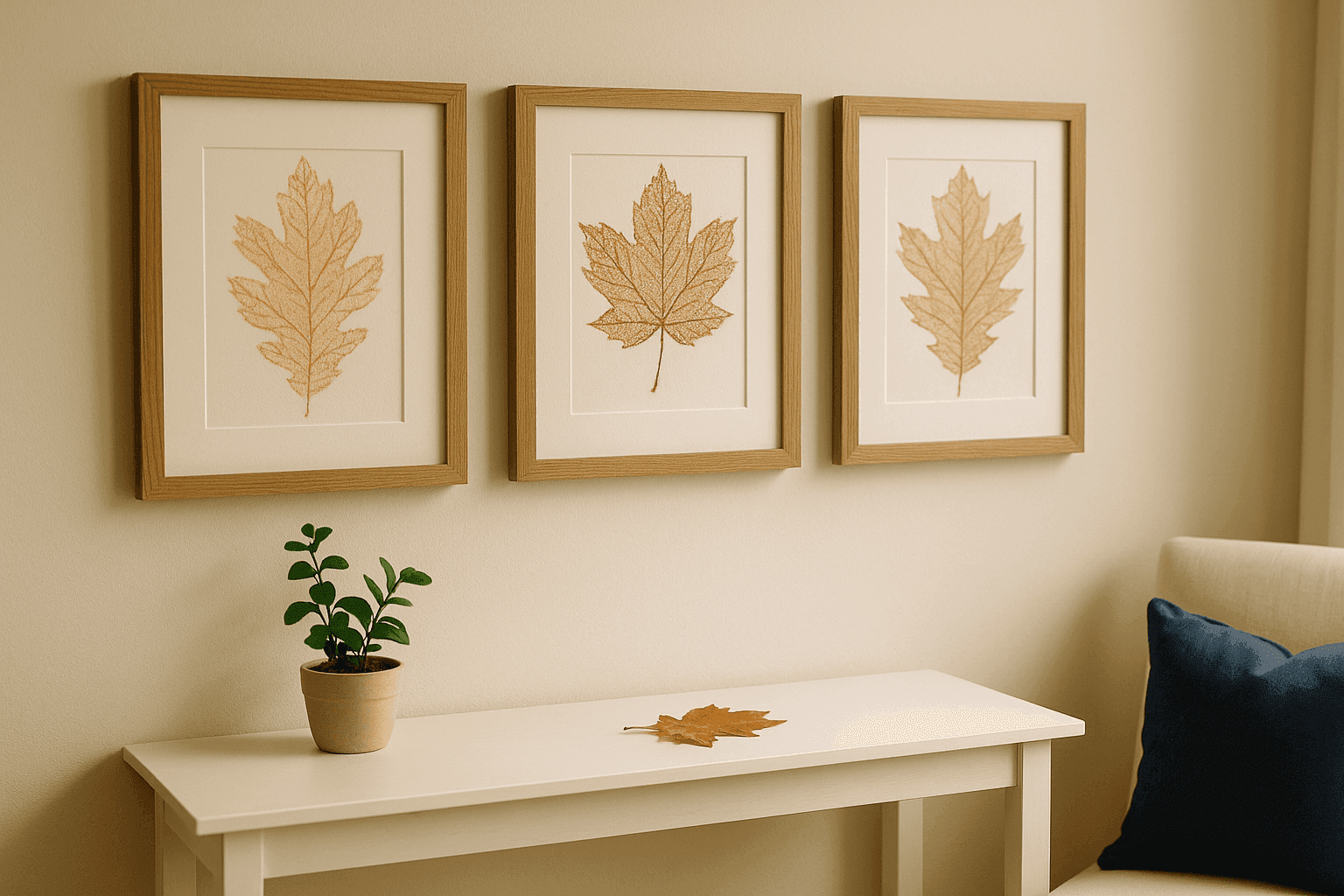
- Frame Your Favorites: Select your most successful rubbings to mat and frame, creating a gallery wall of autumn artwork that captures this season and your mindfulness practice—the act of choosing favorites itself becomes another reflective exercise in noticing what you created and which pieces resonate most deeply with you.
Art therapists who use creative activities for mental wellness recommend treating leaf rubbing as a true mindfulness meditation rather than just a craft project by incorporating intentional breathing and present-moment awareness. Before beginning each rubbing, take three slow deep breaths while simply observing your chosen leaf—notice its shape, color variations, damage patterns, and unique characteristics without judgment. As you rub, synchronize your hand movements with your breath, creating a rhythm that anchors you in the present moment and prevents your mind from wandering to worries or to-do lists. When you notice thoughts intruding (which is normal and expected), gently return your attention to the physical sensations of the crayon texture, the sound it makes on paper, and the visual pattern emerging before you. This transforms a simple craft into genuine meditation practice with a beautiful tangible result. For the most museum-quality results that look professionally sophisticated rather than elementary-school-crafty, use the "tonal gradation" technique where you create a collection of the same leaf rubbing in progressively lighter or darker tones using consistent color but varying pressure. Frame 3-5 versions in a horizontal row showing the progression from barely-there whisper to rich saturated presence—this creates stunning contemporary artwork that explores the relationship between pressure, visibility, and representation in ways that elevate simple rubbings into legitimate artistic statement. The preservation secret that keeps your rubbings from smudging or fading is spraying them with workable fixative or even hairspray once complete, which seals the crayon or pastel pigment permanently to the paper and prevents the oils from bleeding through when framed under glass, ensuring your meditative creations remain beautiful for years rather than degrading into greasy blurred messes within months.