Creative Canvas: Designing Custom Wall Art on a Budget
Express your personality with handmade art that perfectly matches your space
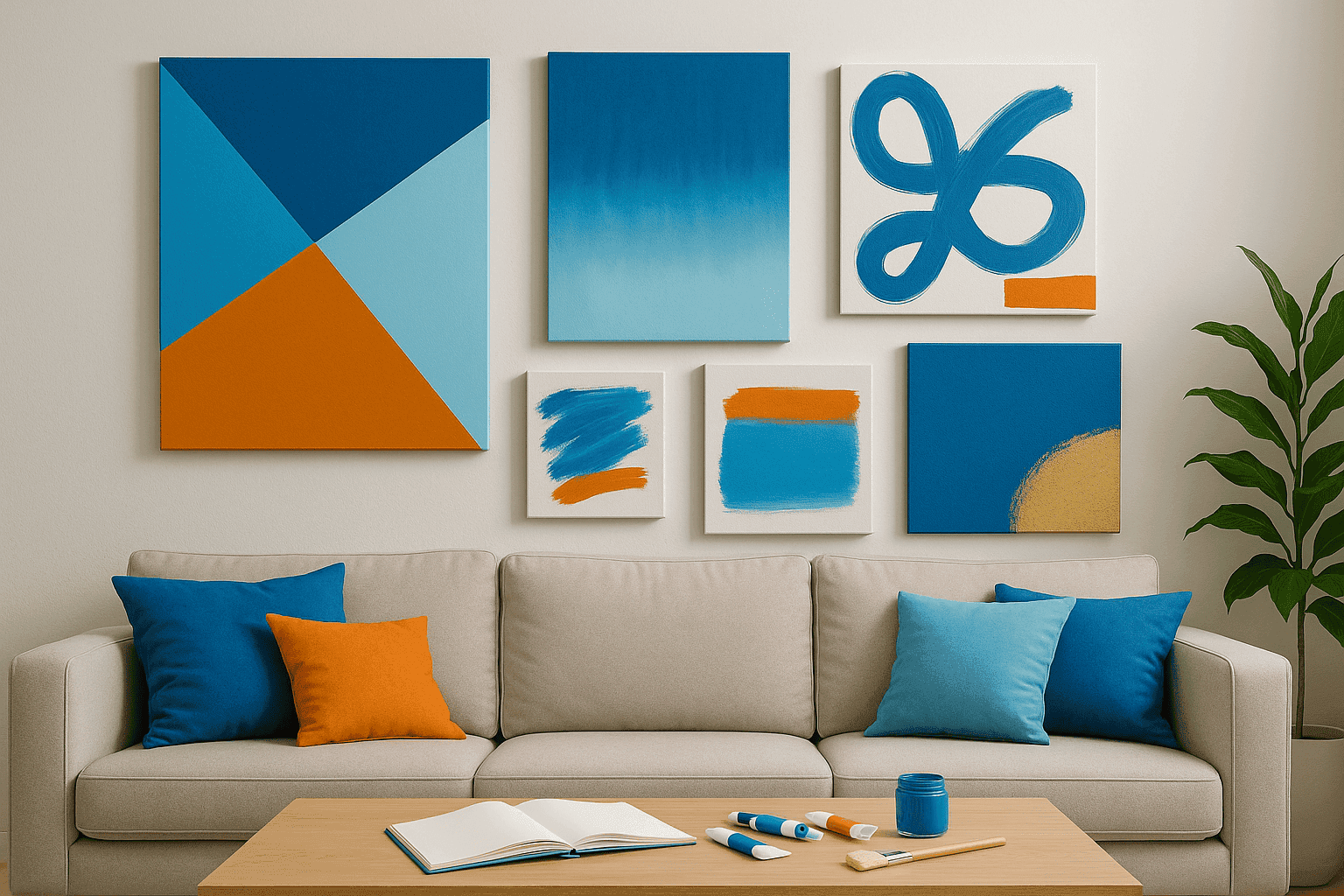
Store-bought art can be expensive and often lacks that personal connection to your space. Creating your own wall art allows you to customize colors, sizes, and designs while expressing your creativity and saving money. Whether you're an experienced painter or complete beginner, these DIY art techniques can transform blank walls into gallery-worthy displays that perfectly complement your home's aesthetic.
What You'll Need
| Canvas panels or stretched canvas (various sizes) |
| Acrylic paints in your room's color scheme |
| Brushes in various sizes and styles |
| Painter's tape for creating straight lines |
| Stencils (optional) |
| Paint palette or paper plates |
| Water container for rinsing brushes |
| Drop cloth or newspaper |
| Picture hanging hardware |
| Alternative materials (optional): |
| • Wrapping paper or wallpaper scraps |
| • Fabric remnants |
| • Pressed leaves or flowers |
| • Gold leaf or metallic paint |
Beginner-Friendly Techniques
- Color Block Canvas
Use painter's tape to create geometric sections on your canvas. Paint each section a different color from your room's palette. For clean lines, remove tape while paint is still slightly wet.
- Ombré Gradient
Select two complementary colors. Paint one color on one side of the canvas, the other color on the opposite side, then blend where they meet while still wet. Create a set of canvases with varying shades for a dramatic wall display.
- Stenciled Patterns
Paint your canvas a solid base color. Once dry, apply stencils (geometric shapes, botanicals, or letters) and fill in with contrasting colors using a dabbing motion with a nearly dry brush to prevent bleeding.
- Abstract Brushstrokes
Start with a white or colored background. Use bold, confident brushstrokes in complementary colors. Don't overthink—the beauty is in the spontaneity. Layer colors and vary brush sizes for depth.
- Diptych or Triptych Series
Create a cohesive design that spans multiple canvases. Plan your layout first, then apply paint across all canvases as if they were one surface. This works particularly well for abstract designs or landscapes.
- Mixed Media Collage
Combine paint with other materials like fabric scraps, decorative paper, or natural elements. Use Mod Podge or another decoupage medium to adhere items to canvas and seal the finished piece.
Displaying Your Art
- Gallery wall - Group multiple pieces in varying sizes for impact
- Statement piece - One large canvas as a room's focal point
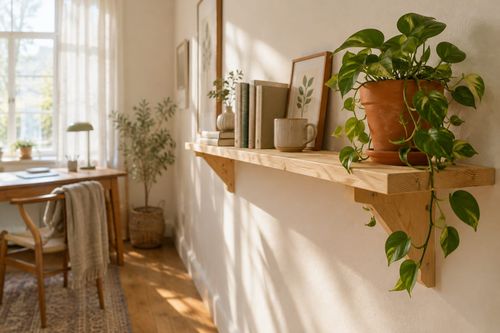
- Floating shelves - Display canvases on shelves for flexibility
- Layered look - Overlap pieces of various sizes for depth
For a cohesive collection that feels professionally curated, limit your color palette to 3-4 colors that already appear in your room. Create a mood board first by pulling color swatches from throw pillows, rugs, or other textiles in your space. For added dimension in abstract pieces, mix in metallic paints or gold leaf accents—these catch the light and add sophistication to simple designs. If you're unsure about your artistic abilities, try using household items as painting tools: bubble wrap for texture, the edge of a credit card for clean lines, or a sea sponge for an organic effect.