Divide and Replant Perennials in 90 Minutes for $15
The difference between a perennial that thrives after dividing and one that sulks for a season comes down to how much root mass you keep intact per clump.
![[#~image_alt_1~#]](/_next/image?url=https%3A%2F%2Fd3klpa3rfwubzz.cloudfront.net%2Fmedia%2FAPI%20Uploads%2FDIY%2Faf324179e2782679e08f2daed3fea137_f7764287e7.jpg&w=1920&q=75)
Late October is exactly when perennials like hostas, daylilies, and coneflowers want to be split—the plant's gone dormant above ground but roots are still active enough to establish before hard frost locks the soil. The single variable that separates a division that bounces back next spring from one that dies is root mass: each new clump needs at least three to five healthy growth points with intact roots attached, not just a chunk hacked off with a shovel. Skip that, and you're planting a stub with no energy reserves to survive winter. This whole project takes about 90 minutes and costs around $15 for a bit of compost and bone meal, and you'll walk away with two or three free plants for every one you started with.
What You'll Need
- Materials (~$15 total):
- 2 cubic feet bagged compost or aged manure - $8
- 1 small bag bone meal or slow-release starter fertilizer - $6
- Water (from your hose, free)
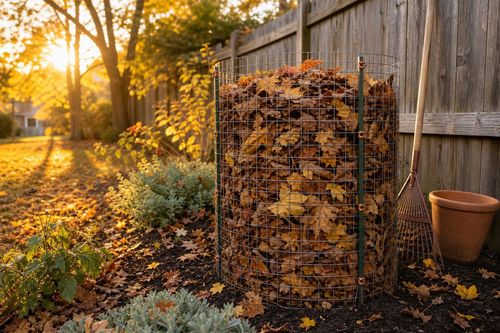
- Mulch (straw, shredded leaves, or bark) for topping new plantings - free if using fall leaves
- Tools:
- Sharp spade or garden fork
- Old serrated bread knife or hori-hori knife for stubborn root balls
- Tarp or wheelbarrow for holding divided clumps
- Garden gloves
How to Do It
- Water the plant thoroughly the day before dividing so the root ball comes up moist and pliable instead of dry and crumbling apart unpredictably.
- Dig a wide circle 6-8 inches out from the plant's base, angling your spade under the root ball to lift the whole clump intact rather than slicing through it prematurely.
- Lift the entire clump onto a tarp so you can see the natural separations between crowns before cutting anything.
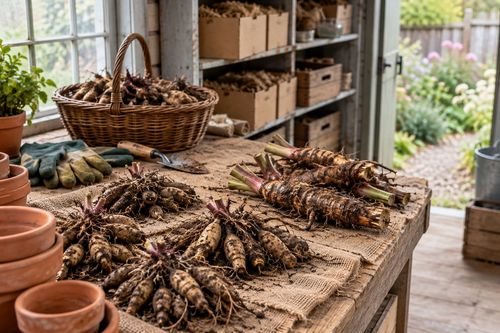
- Separate the clump into sections using your hands first, then a knife only where roots are tightly tangled—each section needs 3-5 visible growth points with roots attached to survive.
- Trim any damaged, mushy, or rotted roots with clean shears, since leaving them on invites disease into the new planting hole.
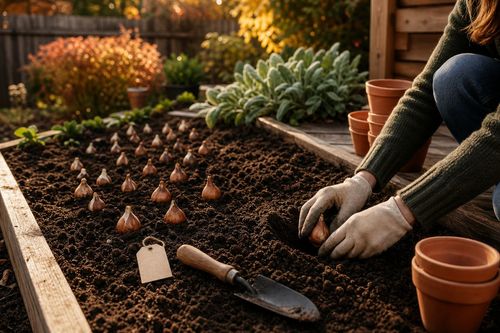
- Amend the original planting hole and any new ones with a scoop of compost and a sprinkle of bone meal, giving roots a phosphorus boost for winter root growth.
- Replant each division at the same depth it was growing before, firming soil gently around the crown without burying it too deep.
- Mulch generously with straw or shredded leaves after watering in, which insulates the disturbed roots through their first freeze-thaw cycles.
Market gardeners who divide perennials commercially always pot up a couple of extra divisions in nursery containers rather than planting every single one in the ground—overwintering a few in a sheltered spot like an unheated garage acts as insurance against losses from a division that doesn't take, and gives you backup stock for filling gaps come spring.