Fabric Refresh: Create Custom Spring Pillow Covers
Transform your living space with bright, seasonal textiles that welcome warmer days
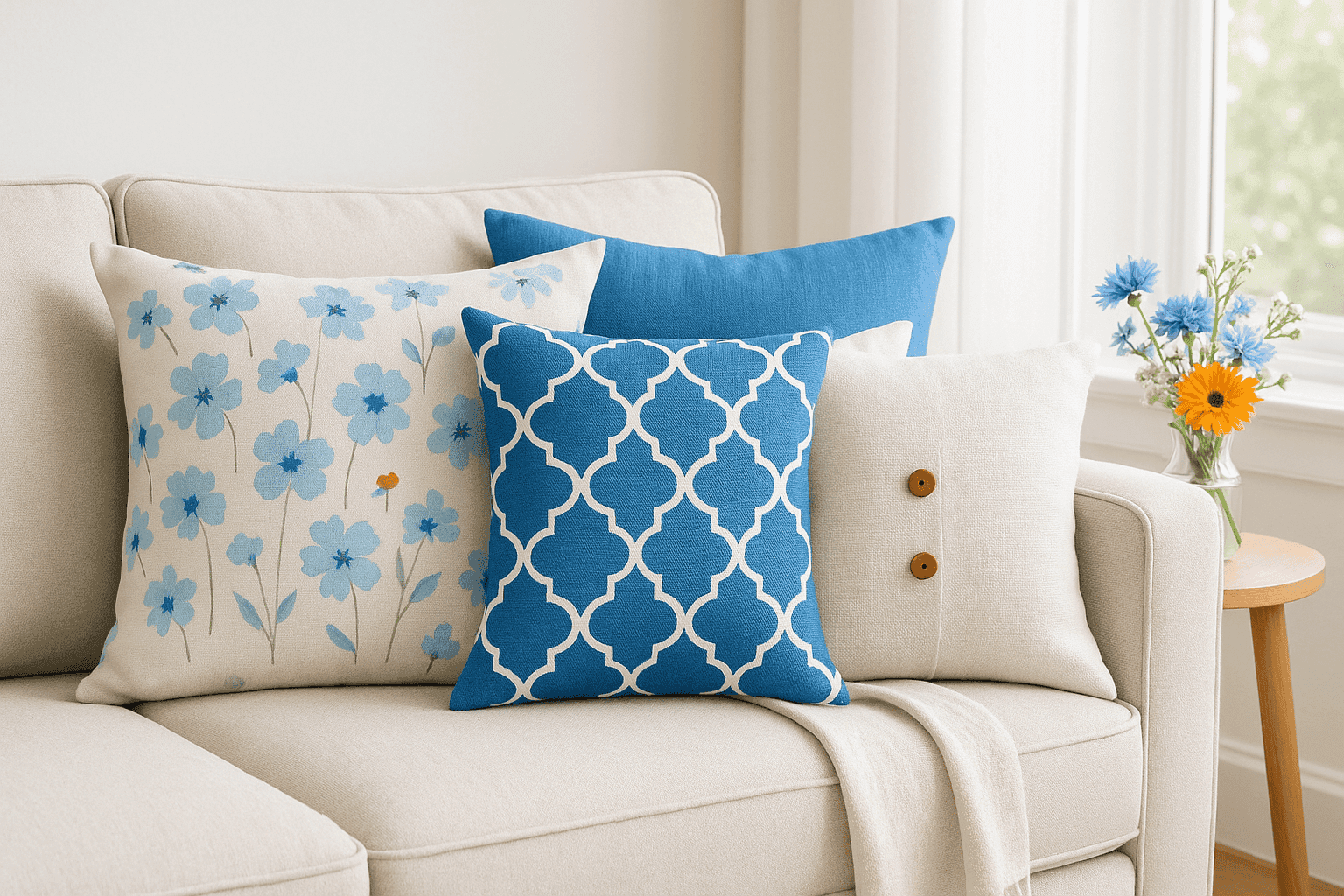
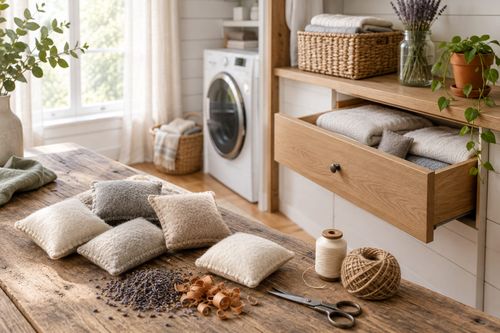
Swapping out pillow covers is one of the easiest and most cost-effective ways to transform your living space for spring. Rather than storing bulky seasonal pillows or purchasing new ones each year, custom covers allow you to refresh your existing pillows with fresh colors, patterns, and textures. This simple sewing project requires minimal materials and basic skills, but delivers professional-looking results that instantly brighten your home for the new season.
What You'll Need
| Basic Materials: |
| • Spring-inspired fabric (cotton, linen, or lightweight blends) |
| • Measuring tape |
| • Fabric scissors |
| • Straight pins or fabric clips |
| • Sewing machine (or needle and thread for hand sewing) |
| • Thread in coordinating colors |
| • Iron and ironing board |
| For Envelope Closure: |
| • Additional fabric for back overlap |
| For Zipper Closure: |
| • Zipper (length appropriate for your pillow size) |
| • Zipper foot for sewing machine |
| For Button Closure: |
| • Decorative buttons |
| • Button hole foot for sewing machine |
| Optional Embellishments: |
| • Pom-pom or fringe trim |
| • Fabric paint or markers |
| • Embroidery floss and needles |
| • Iron-on appliqués |
How To Do It
- Measure your pillows: Measure the width and height of your existing pillow inserts. For a snug fit, use the exact measurements; for a looser fit, add ½ inch to each dimension.
- Calculate fabric needs:
- For envelope closure: Front piece = pillow dimensions; Two back pieces = width of pillow × (height of pillow ÷ 2 + 3 inches for overlap)
- For zipper closure: Front and back pieces = pillow dimensions
- Add ½ inch on all sides for seam allowance
- Prepare your fabric: Pre-wash, dry, and iron your fabric to prevent shrinkage later. This step is especially important for natural fibers like cotton and linen.
- Cut your fabric: Using your measurements, carefully cut out your pieces. For patterned fabrics, pay attention to pattern placement and direction.
- Add embellishments (optional): If adding appliqués, embroidery, or painted details to the front piece, do this before assembling the cover.
- Create your closure: Choose one of these methods:
- Envelope closure (easiest): Hem one long edge of each back piece by folding over ¼ inch, then another ¼ inch, and stitching in place. Overlap the back pieces so they match the width of the front piece.
- Zipper closure: Place front and back pieces right sides together. Sew three sides completely and partially sew the fourth side, leaving an opening for the zipper. Insert zipper according to package instructions.
- Button closure: Create an overlap similar to the envelope closure, but add buttonholes to the top layer and sew buttons to the bottom layer.
- Assemble the cover:
- For envelope: Place front piece right side up. Place overlapped back pieces right side down on top, aligning all raw edges. Pin around all four sides.
- For zipper: After inserting zipper, unzip it halfway (important!), then pin remaining edges with right sides together.
- Sew the pieces together: Using a ½-inch seam allowance, stitch around all four sides. For extra durability, stitch a second time over the seams or use a zigzag stitch to prevent fraying.
- Trim corners: Clip the corners at an angle, being careful not to cut through the stitching. This reduces bulk and creates sharper corners when turned right side out.
- Add trim (optional): If using pom-pom or fringe trim, sandwich it between the front and back pieces before sewing, with the decorative portion facing inward.
- Turn and press: Turn the cover right side out through the opening (envelope back or unzipped zipper). Use a point turner or chopstick to push out corners. Press the seams flat with an iron.
- Insert your pillow: Gently work your pillow insert into the new cover, starting with one corner and working around until it fills the space evenly.
- Style and display: Arrange your newly covered pillows on sofas, chairs, beds, or window seats. Mix and match patterns, solids, and textures for a designer look.
For a professionally styled collection of spring pillows, follow the designer "rule of three": choose one floral or botanical print, one geometric pattern, and one solid texture in complementary colors. This creates visual interest while maintaining cohesion. When selecting fabrics, consider the room's light exposure—south-facing rooms can handle more subtle hues, while north-facing spaces benefit from brighter tones that won't appear washed out. If you're new to sewing, start with envelope closures and graduate to invisible zippers as your skills improve. For a high-end custom look, consider piping along the seams—pre-made piping is available in fabric stores, or create your own with cord and bias tape in a coordinating or contrasting fabric. Finally, invest in quality pillow inserts one size larger than your finished covers (e.g., use a 20" insert for a 19" cover) to achieve that plump, luxurious look found in designer showrooms.