Feathered Friends Forever: Build Your Own Bird Feeder Station
Create a bustling backyard bird sanctuary with simple DIY feeders that bring nature's most colorful visitors to your window
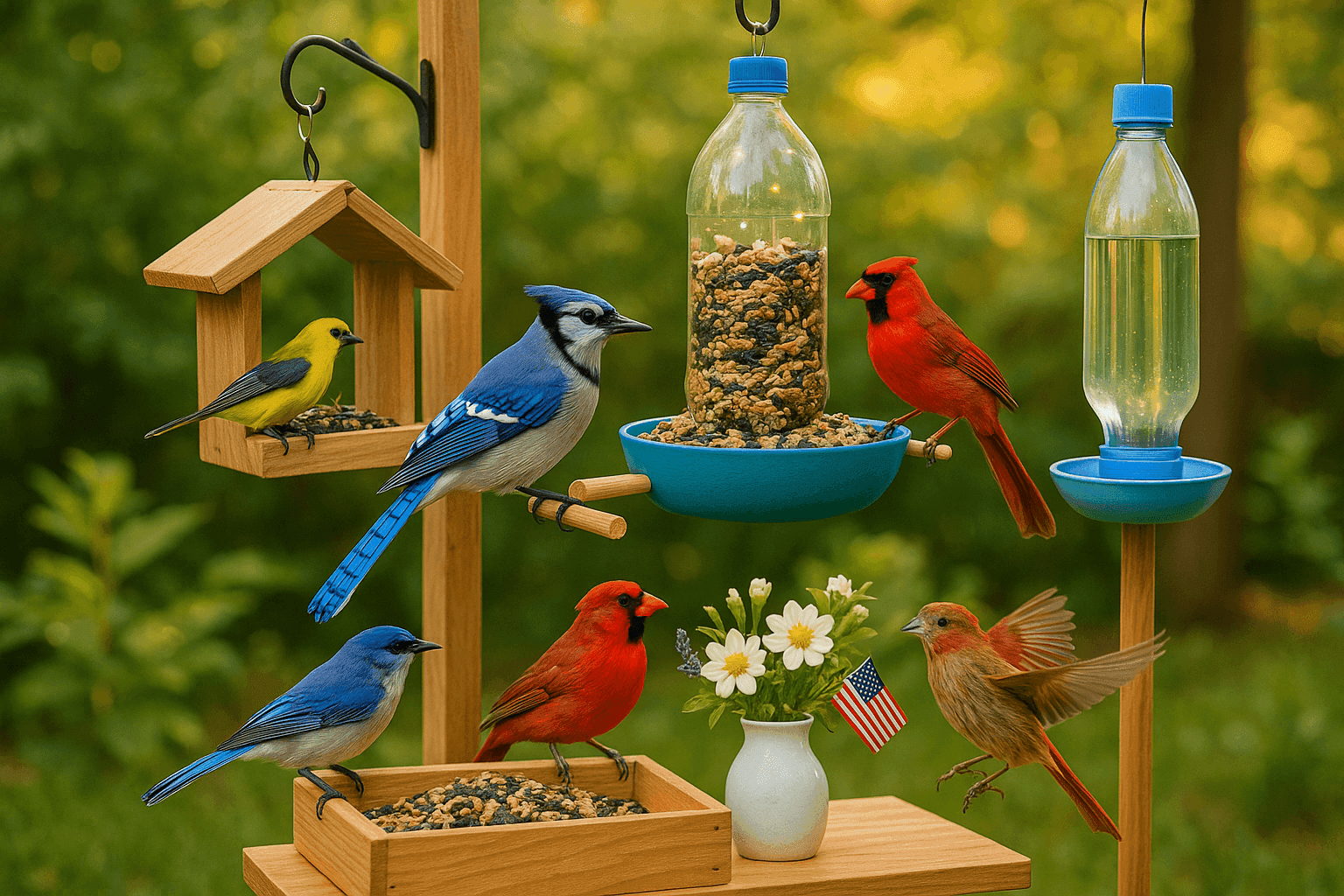
There's something absolutely magical about watching your backyard come alive with the flutter of wings and cheerful chirping of birds who've discovered your homemade feeder station – it's like opening a live nature channel right outside your kitchen window. I built my first DIY bird feeder three years ago during a particularly stressful period at work, and what started as a simple weekend project became my daily dose of peace and wonder as cardinals, blue jays, and tiny finches turned my ordinary yard into their favorite restaurant. The beauty of creating your own bird feeding station lies in how it connects you to the natural world while providing a deeply satisfying hands-on project that keeps giving back season after season. Whether you're working with upcycled plastic bottles, wood scraps from other projects, or investing in a few basic materials, these simple feeders become magnets for some of nature's most beautiful and entertaining visitors. Once you experience the joy of watching different bird species discover your handmade offerings and return day after day with their families, you'll understand why bird feeding is one of the most rewarding hobbies you can start with just a few dollars and an afternoon of crafting.
Feeder Materials
- Container Options: Large plastic bottles, milk jugs, or small wood pieces ($0-15)
- Bird Seed: Mixed seed, sunflower seeds, or specialty blends for different species ($8-25)
- Perch Materials: Wooden dowels, chopsticks, or small branches ($3-10)
- Cutting Tools: Sharp scissors, craft knife, or small saw ($5-20)
- Hanging Hardware: Strong string, wire, or small chains ($3-15)
- Drainage Solutions: Small drill bits or nail for water holes ($5-10)
- Weather Protection: Clear spray sealant or outdoor paint ($8-20)
- Feeding Accessories: Small scoops, cleaning brushes, seed storage ($10-30)
Building Process
- Clean your chosen container thoroughly and remove all labels
- Cut feeding holes appropriate for your target bird sizes
- Add small drainage holes in the bottom to prevent water accumulation
- Install perches below feeding holes for comfortable bird access
- Create secure hanging points at the top of the feeder
- Test the feeder structure and make any necessary adjustments
- Fill with appropriate bird seed and hang in optimal location
- Monitor and refill regularly to maintain bird visits
Professional bird enthusiasts create successful feeding stations by offering variety and positioning feeders strategically. Place feeders at different heights and distances from your house – some birds prefer ground level, others like elevated perches, and shy species need feeders farther from human activity. The key to attracting diverse bird species is offering different seed types: sunflower seeds for cardinals and chickadees, thistle for goldfinches, and mixed seeds for general variety. Also, position feeders where you can easily observe from indoors but with nearby trees or shrubs where birds can take cover from predators. Clean feeders monthly with a diluted bleach solution to prevent disease, and remember that consistency is crucial – once you start feeding birds, they come to depend on your station, especially during harsh weather when natural food sources are scarce.