Grout Expectations: Reseal Your Bathroom Tile
Dingy, cracked grout isn't just an eyesore — it's an open invitation to water damage and mold that a $15 fix can stop cold
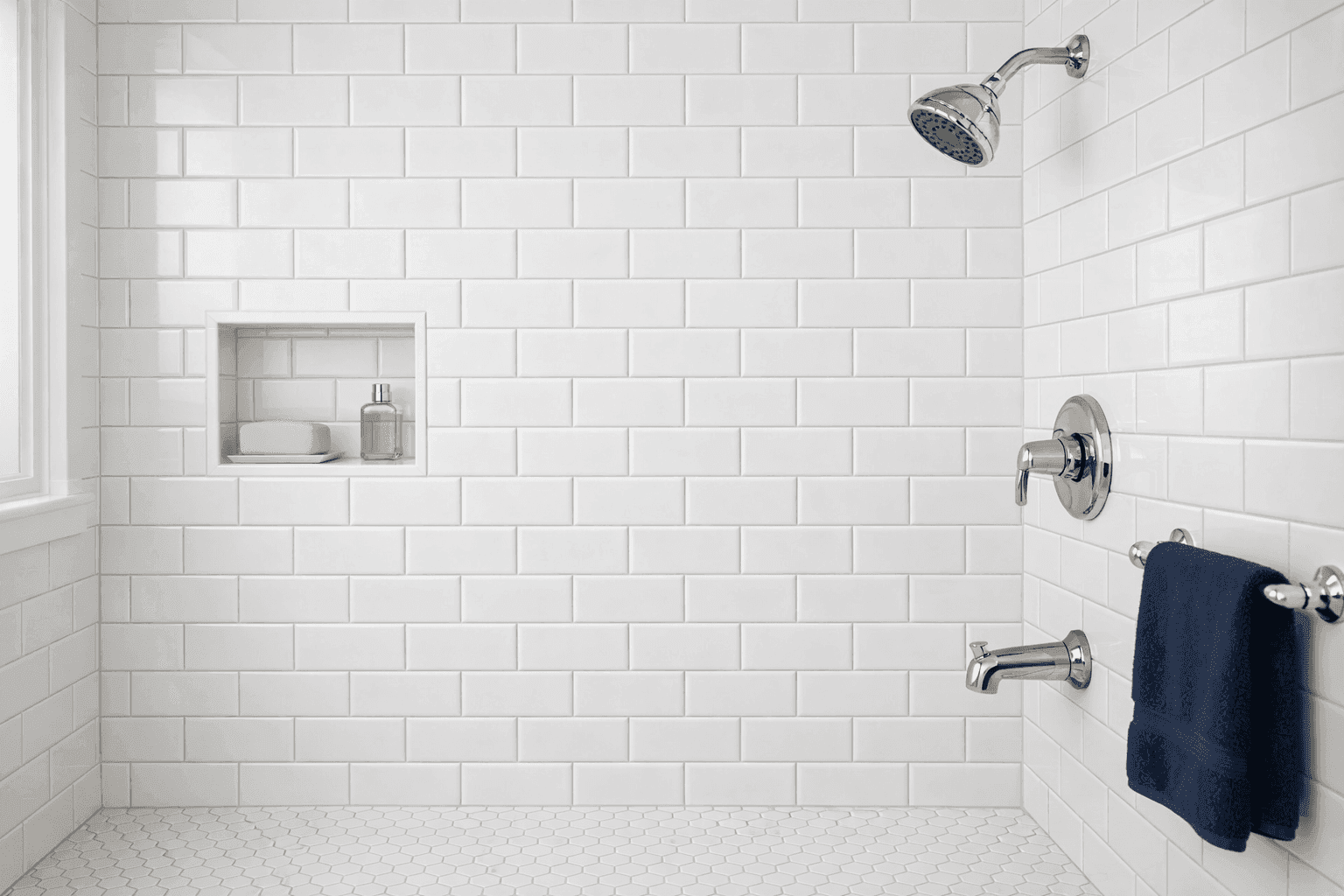
Grout is one of those things that's easy to ignore until it becomes impossible to ignore — and by the time it looks truly bad, it's usually already been letting water sneak behind your tile for months. The good news is that most bathroom grout problems fall into one of two very fixable categories: discolored but structurally sound grout that a grout pen or renewal product can transform in about 30 minutes, and cracked or crumbling grout that needs to be replaced but is still a straightforward DIY job with the right tools. Either way, you're looking at $15–$25 in materials and a single afternoon to protect tile work that would cost thousands to replace if water damage gets behind it. This is exactly the kind of unglamorous preventative maintenance that separates homes that age gracefully from ones that develop expensive problems quietly behind the walls. Fix it now while it's still a quick project, not later when it's a renovation.
What You'll Need
- Assess First — Then Shop
- For discolored but solid grout: a grout pen or grout renew paint product (Polyblend and Rust-Oleum both make reliable options) — ~$8–$12
- For cracked or crumbling grout: unsanded grout for joints under ⅛ inch wide, sanded grout for wider joints — ~$8–$12 per bag (one bag covers a full small bathroom)
- When in doubt, press a key or screwdriver gently into the grout — solid grout resists, failing grout crumbles or flexes
- For Grout Pen / Renewal Route
- Grout pen or grout renew product in your chosen color — white and bright white are most common, but warm gray and beige are widely available
- Tile cleaner or white vinegar solution for thorough pre-cleaning
- Old toothbrush for scrubbing grout lines before application
- Clean dry cloth for wiping tile faces after application
- For Full Regrout Route
- Grout saw or oscillating multi-tool with grout removal blade — ~$15–$25 for a manual saw, or rent an oscillating tool for ~$25/day
- Shop vacuum for clearing debris from joints
- Rubber grout float for pressing new grout into joints
- Two buckets — one for mixing grout, one for clean rinse water
- Large cellulose sponge for cleanup — regular kitchen sponges fall apart mid-job
- Painter's tape for protecting any caulked corners or trim edges
- Finishing for Both Routes
- Penetrating grout sealer — ~$8–$12 per bottle (covers a full bathroom twice)
- Small foam brush or the applicator bottle that most sealers include
- Work gloves and knee pads — grout work is harder on hands and knees than it looks
How to Fix It
- Diagnose your grout before buying anything by examining the lines closely in good light — discoloration and staining mean the grout pen route, while visible cracks, soft or crumbly texture, missing chunks, or grout that flexes when pressed means you need the full regrout approach. Treating crumbling grout with a pen instead of replacing it is the single most common mistake in bathroom maintenance, and it never ends well.
- Clean thoroughly regardless of which route you're taking — scrub every grout line with an old toothbrush and a tile cleaner or white vinegar solution, rinse the entire surface, and let it dry completely for at least two hours before applying anything. Grout pens applied over soap scum and body oil won't bond properly, and new grout pressed into damp joints won't cure correctly — a clean, dry surface is non-negotiable for both methods.
- For the grout pen route: Shake the pen well, prime the tip on a paper towel until the product flows evenly, then run the tip smoothly along each grout line with consistent pressure in one continuous pass per line. Work in small sections of two to three feet and immediately wipe the tile faces with a clean dry cloth before the product dries on the tile surface — dried grout pen product on tile is genuinely difficult to remove.
- For the regrout route — remove old grout by running a grout saw or oscillating tool carefully along each failing joint to a depth of at least ⅛ inch, keeping the tool centered in the joint to avoid scratching the tile edges. Work slowly and steadily — rushing grout removal is how tiles get chipped — and vacuum out every joint completely before moving to the next section.
- Mix and apply new grout by combining grout powder with water according to package directions until it reaches a smooth peanut butter consistency, then load your rubber float and press grout firmly into the cleaned joints at a 45-degree diagonal angle — this diagonal motion packs the joints fully without dragging grout back out. Work in manageable two-square-foot sections so the grout doesn't begin skinning over before you've had a chance to clean it.
- Clean the tile faces using a well-wrung damp cellulose sponge wiped diagonally across the tile surface — never wipe straight along the joints or you'll pull fresh grout right back out of them. Rinse the sponge constantly in your clean water bucket, wring it nearly dry each time, and plan on at least two to three full passes over each section before the tile faces look clean. A thin haze on the tile is normal and will buff off easily once the grout cures.
- Cure and buff by letting the newly grouted surface sit undisturbed for a full 24 hours — keep the shower or tub completely dry during this period, which means planning this project around a window when the bathroom won't be needed. Once cured, buff away any remaining grout haze with a clean dry microfiber cloth using firm circular motions — the tile will come up noticeably cleaner and brighter than you expected.
- Seal every grout line using a penetrating grout sealer applied with a foam brush or the included applicator, working methodically from top to bottom so drips land on unsealed grout rather than sealed surfaces. Let the sealer absorb for the time specified on the bottle — usually 5–10 minutes — then wipe off any excess from tile faces before it dries. Plan to reseal annually in shower areas where water exposure is daily, and every two years in lower-traffic tiled areas.
Here's something tile installers know that most homeowners don't: the corners and edges where your tile meets the tub, shower pan, or an adjoining wall should never be grouted — they should always be caulked. Grout is rigid and will crack at those transition points no matter how well it's applied, because the wall and floor move independently of each other with every temperature change and building shift. If your corners currently have grout in them and it keeps cracking back, dig it all out with a grout saw and replace it with a color-matched silicone caulk instead — that flexible seal is what actually belongs there and will stay intact for years rather than cracking every season. While you're resealing, run a bead of fresh caulk along the tub-to-tile seam and around the base of the faucet fixtures too, because those are the spots where water most quietly sneaks behind the wall and starts doing damage that won't be visible until it's a major renovation.