Tile Transformation: How to Create Custom Painted Tile Designs
Update dated tiles or create one-of-a-kind accents with this budget-friendly DIY technique
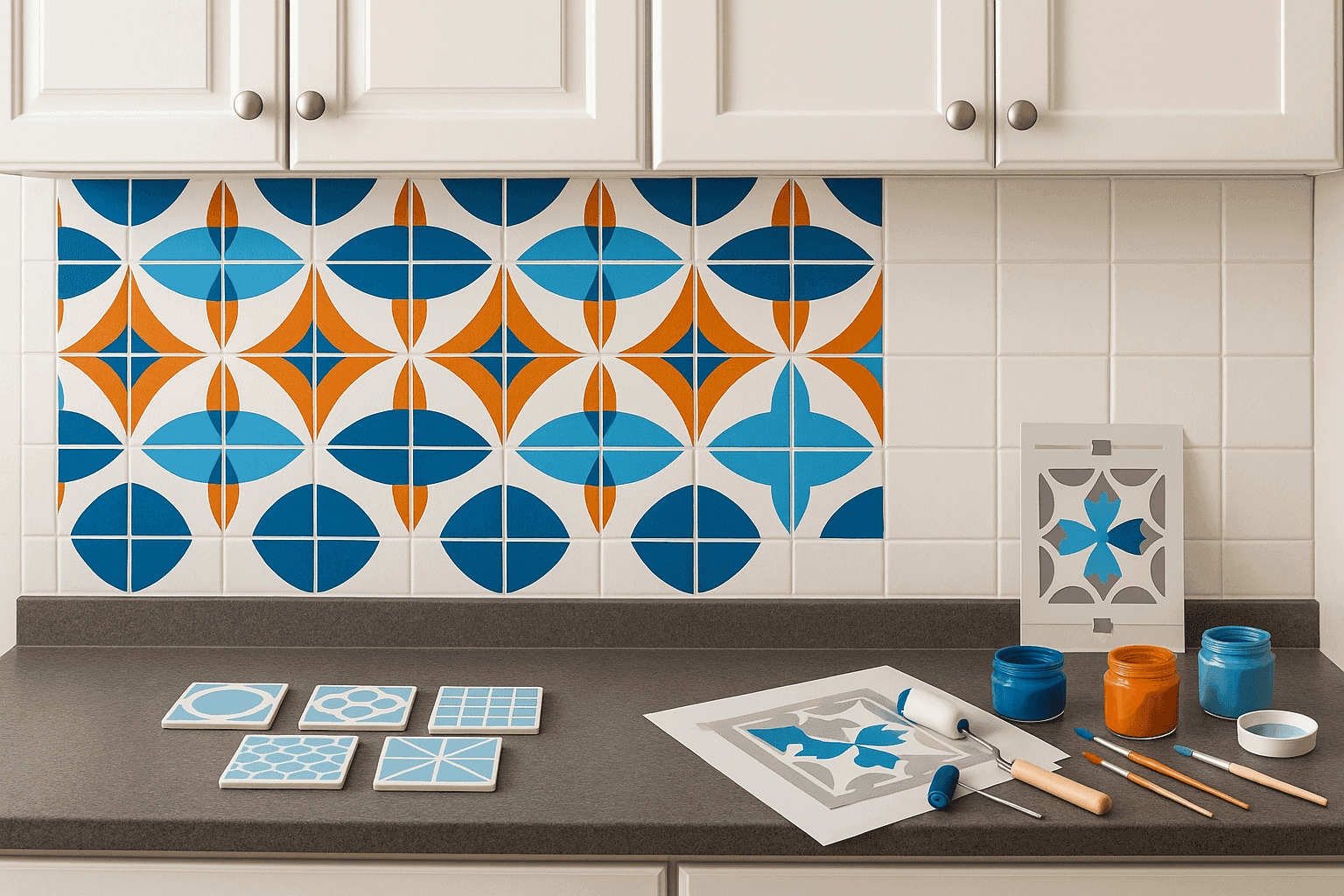
Replacing tile can be expensive and disruptive, but painting existing tiles offers a budget-friendly alternative that can dramatically transform your space. Whether you're updating a dated bathroom, creating a custom kitchen backsplash, or crafting decorative tile accents, this versatile technique allows you to customize your home with personalized patterns and colors. With the right preparation and materials, painted tiles can be surprisingly durable and provide years of beauty before needing a refresh.
Essential Supplies
| • Degreasing cleaner |
| • Fine-grit sandpaper (220 grit) |
| • Tile primer or bonding primer |
| • Acrylic or epoxy paint for tile surfaces |
| • Stencils (optional) |
| • Detail paintbrushes |
| • Small foam rollers |
| • Clear polyurethane sealer |
Painting Process
- Prepare the surface: Thoroughly clean tiles with a degreasing cleaner to remove all soap scum, grease, and dirt. Lightly sand the tile surface to create a texture the primer can grip.
- Prime properly: Apply a specialized tile or bonding primer that's designed to adhere to slick surfaces. Allow it to cure completely according to manufacturer instructions.
- Select your design approach: Decide whether to paint all tiles a solid color, create a pattern using stencils, or hand-paint designs. For beginners, stencils offer the most foolproof results.
- Apply paint carefully: Use foam rollers for large areas and detail brushes for precise work. Apply thin, even coats rather than one thick layer, allowing proper drying time between coats.
- Seal for durability: Once your design is complete and fully dry (usually 24-48 hours), apply 2-3 coats of a clear water-resistant polyurethane sealer to protect your work, especially in high-moisture areas.
For high-impact results with minimal effort, consider painting only select tiles in a repetitive pattern rather than every tile. This creates a custom look that resembles expensive designer tile but requires less time and precision. When working with existing colored tiles, incorporate the original color into your design rather than trying to completely cover it—this creates depth and often requires fewer coats of paint. For rental-friendly options, purchase plain ceramic tiles from a hardware store to paint and use as decorative coasters, trivets, or removable backsplash tiles that can be mounted with temporary adhesive strips or displayed on small easels.