Kitchen Revolution: Transform a Bookshelf Into Rolling Island Storage
Create mobile workspace with tons of storage for a fraction of store-bought island prices
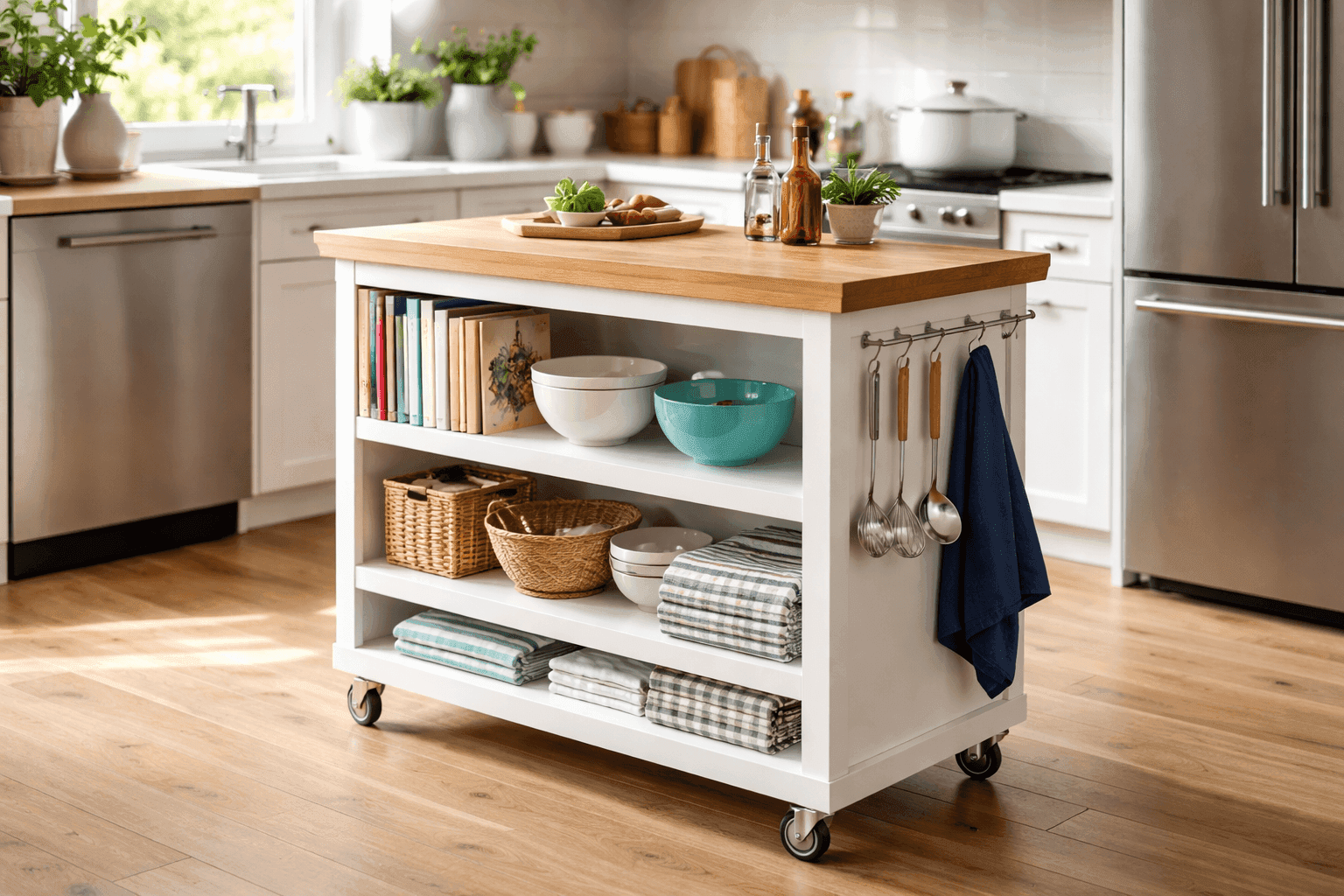
Your kitchen desperately needs extra counter space and storage but those rolling islands at furniture stores cost $200-400 for decent versions, and honestly they're just shelving units with wheels and a top surface—nothing you can't create yourself from a basic bookshelf. That sturdy bookshelf sitting unused in a spare room or available at thrift stores for $20-30 can become a fully functional mobile kitchen island in about three hours, costing $40-60 total including casters and a butcher block top. This transformation creates workspace that rolls where you need it for meal prep then tucks away when you need floor space, with open shelving providing storage for cookbooks, appliances, mixing bowls, and kitchen linens that always seem to overflow cabinets. The brilliant thing about this project is you're repurposing furniture into something exponentially more useful while spending a fraction of retail prices, proving that practical kitchen upgrades don't require expensive custom solutions when creativity and basic tools achieve the same results.
What You'll Need
- Bookshelf: Sturdy unit approximately 36 inches tall from thrift store or existing furniture ($15-30)
- Casters: Four heavy-duty locking wheels rated for furniture weight ($15-25)
- Top Surface: Butcher block or wooden cutting board sized to fit shelf top ($20-40)
- Hardware: L-brackets for securing top, screws for casters ($5-8)
- Paint or Stain: Finish matching your kitchen aesthetic ($10-15)
- Accessories: S-hooks, towel bar, wire basket for added functionality ($8-12 optional)
- Tools: Drill with bits, screwdriver, sandpaper, paintbrushes
Step-by-Step Method
- Select a bookshelf with sturdy construction around 36 inches tall—avoid particle board that won't handle kitchen use and weight
- Clean thoroughly if using secondhand furniture, removing any stickers, odors, or damage before investing time in transformation
- Sand all surfaces smooth if painting, or just lightly sand existing finish if staining for natural wood look
- Paint or stain your chosen finish, using multiple thin coats for durability in kitchen environment with moisture and grease exposure
- Attach heavy-duty locking casters to bottom corners once finish is completely dry, ensuring wheels support the loaded weight you'll be rolling around
- Secure butcher block or cutting board top using L-brackets from underneath so the work surface doesn't shift during food prep
- Add functional accessories like S-hooks on sides for utensils, towel bar on one end, or wire basket for produce storage
- Load shelves with kitchen items you use regularly, keeping heavier items lower for stability when rolling across floors
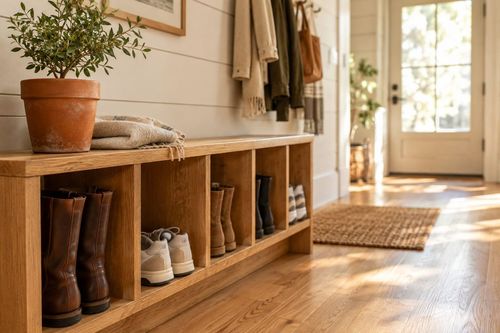
Kitchen designers recommend choosing locking casters rather than fixed wheels so your island stays put during food prep instead of rolling away every time you apply pressure while chopping. Also, seal your butcher block top with food-safe mineral oil if you'll be using it as an actual cutting surface, or coat with polyurethane if it's purely decorative workspace. For maximum functionality, choose a bookshelf with at least three shelves creating four usable storage zones—bottom shelf for heavy items like stand mixer or dutch oven, middle shelves for everyday items, top for lightweight frequently-used items. Consider your kitchen's traffic patterns when deciding island size; too large and it becomes an obstacle, too small and you've wasted effort on minimal storage gain. The most successful bookshelf-to-island conversions use open shelving rather than doors because accessibility matters more than hiding contents—you want to grab mixing bowls without opening cabinets when your hands are covered in flour. This project works beautifully in apartments where permanent kitchen modifications aren't allowed, giving renters functional upgrades that move with them to future homes.