Plant Spring Bulbs in 1 Hour for Under $25
Planting depth is the make-or-break variable—too shallow and bulbs heave out of frozen soil, too deep and they rot before they ever sprout.
![[#~image_alt_1~#]](/_next/image?url=https%3A%2F%2Fd3klpa3rfwubzz.cloudfront.net%2Fmedia%2FAPI%20Uploads%2FDIY%2F6974406c8cac0f5ea653d4b161c37b2f_e9ecbac7a8.jpg&w=1920&q=75)
Every fall, someone tosses tulip bulbs into a shallow hole and wonders in April why nothing came up. The mechanism that separates a bulb that blooms from one that rots or freezes out comes down to planting depth relative to bulb size, plus drainage underneath it. Bulbs planted too shallow get pushed up by freeze-thaw cycles and exposed to lethal cold; planted too deep or in soggy soil, they rot before dormancy even breaks. Mid-to-late September, once soil temperatures start cooling but before the ground freezes, is exactly the window for getting spring bulbs like tulips, daffodils, and crocuses into the ground. This whole project takes about an hour and costs under $25 for a solid batch of bulbs, and it's the cheapest, lowest-effort way to guarantee color the moment winter breaks.
What You'll Need
- Materials (~$22 total):
- 1 bag of mixed spring bulbs — tulips, daffodils, crocuses (~$15 for 25-30 bulbs)
- Handful of bone meal or bulb fertilizer (~$5)
- Small bag of coarse sand or grit for drainage in heavy soil (~$2, optional)
- Tools (on hand):
- Hand trowel or bulb planter
- Garden gloves
- Watering can
How to Do It
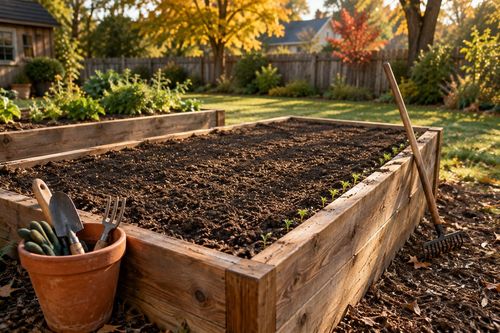
- Choose a spot with at least 6 hours of sun and soil that drains well — bulbs sitting in standing water is the number one cause of rot.
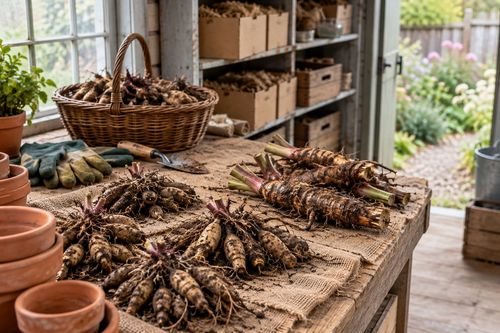
- Check your bulbs for firmness; a soft or moldy bulb won't magically recover once buried, so toss those now.
- Dig each hole to roughly 3 times the bulb's height (about 6-8 inches for tulips and daffodils, 3-4 inches for crocuses) — this depth protects against both frost heave and summer heat later.
- Amend the hole bottom with a pinch of bone meal or bulb fertilizer, which feeds root development through fall before the ground freezes.
- Place the bulb pointy-end up — this is the single detail people mess up most, and it forces the emerging shoot to fight its way sideways instead of straight up.
- Space bulbs about 4-6 inches apart in clusters rather than single rows, since clustered bulbs read as a natural drift once they bloom instead of a sparse line.
- Backfill and water thoroughly right away — this settles soil around the bulb and kickstarts root growth while the ground is still warm enough to support it.
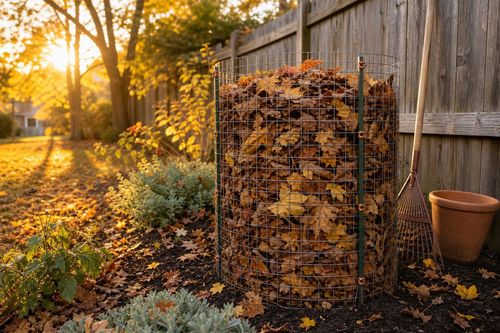
- Mulch lightly with 2 inches of shredded leaves or straw to moderate soil temperature swings through the freeze-thaw cycles of late fall and winter.
Professional bulb growers at commercial cut-flower farms plant in odd-numbered clusters of 7, 9, or 11 rather than straight rows, since asymmetrical groupings mimic how bulbs naturalize in the wild and read as far more intentional once in bloom. They also stagger bloom times by mixing early, mid, and late-season varieties in the same bed so color lasts six to eight weeks instead of two.