Trash to Treasure: Creative Furniture Upcycling Techniques
Transform forgotten pieces into custom statement furniture
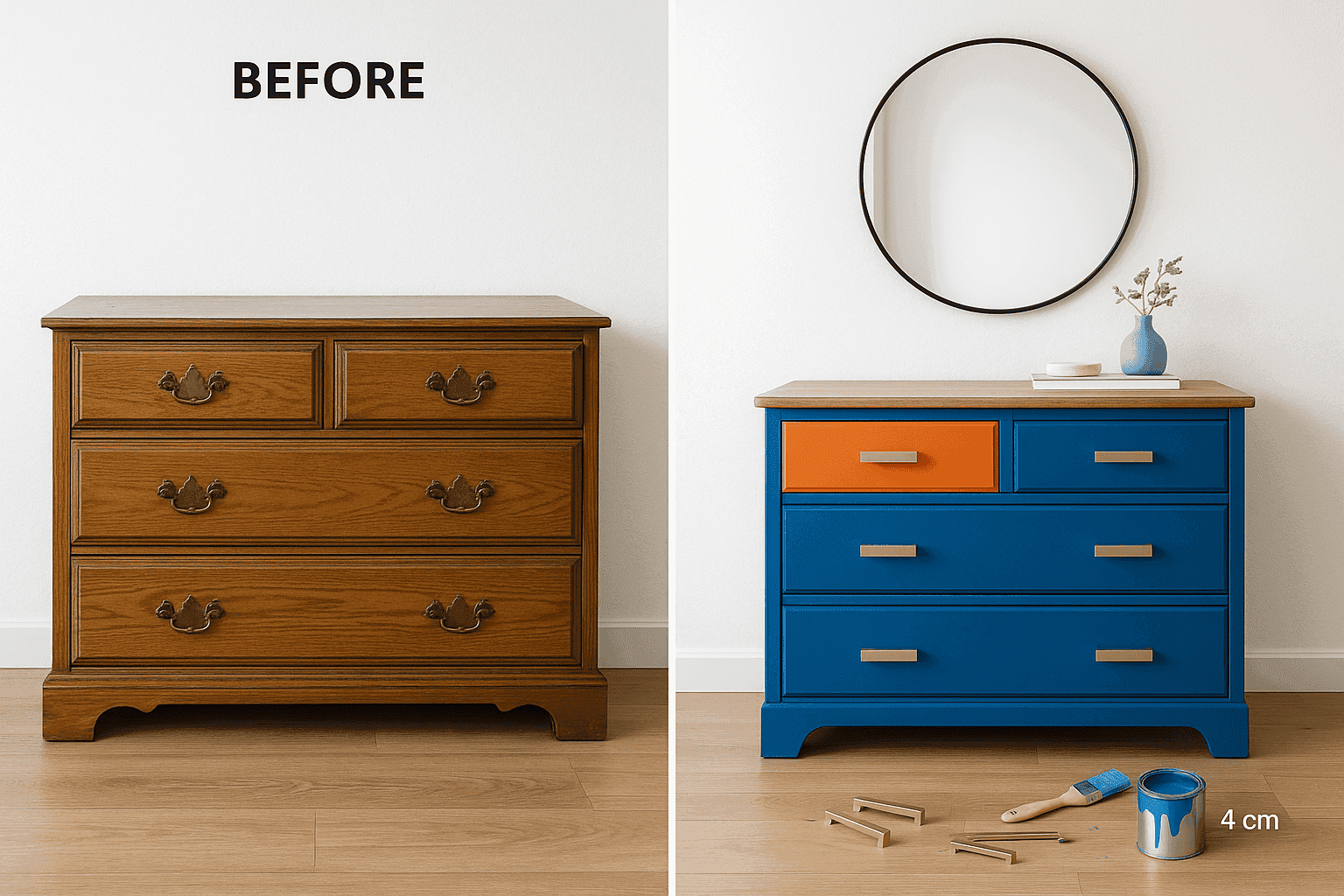
Furniture upcycling transforms outdated, damaged, or boring pieces into custom creations that reflect your personal style while reducing environmental impact. Beyond simple refinishing, creative upcycling reimagines a piece's purpose, aesthetics, and functionality. Whether you've inherited family furniture that doesn't match your décor or found a bargain with great bones but outdated style, these techniques will help you create one-of-a-kind pieces with character and history.
Essential Tools & Materials
| Cleaning supplies (TSP cleaner, degreaser) |
| Sandpaper (various grits from 80-220) |
| Primer appropriate for your surface |
| Paint (chalk, milk, acrylic, or latex) |
| Brushes, rollers, or spray equipment |
| Sealer or topcoat (polyurethane, wax, polycrylic) |
| Screwdriver for hardware removal |
| New hardware (knobs, pulls, hinges) |
| Drop cloth and painter's tape |
| Specialty items based on technique: |
| • Contact paper or wallpaper |
| • Decorative trim or molding |
| • Stencils or decals |
| • Wood filler for repairs |
Creative Upcycling Techniques
- Color Transformation
Beyond simple repainting, try color blocking (using two or more colors in geometric sections), ombré effects (gradual color transitions), or bold inside/outside contrasts (painting drawer interiors or cabinet insides in unexpected accent colors).
- Texture Play
Add dimension with techniques like distressing (strategic sanding to create a worn look), crackling (applying special medium between paint layers), dry brushing (light application that allows base colors to show through), or textured finishes using special paint additives.
- Hardware Upgrade
Replace standard knobs and pulls with statement hardware in contrasting finishes or unexpected materials (leather pulls, ceramic knobs, acrylic handles). For dramatic impact, install oversized hardware or mix different styles on the same piece.
- Surface Design
Transform flat surfaces with techniques like decoupage (applying paper or fabric with adhesive), stenciling geometric or organic patterns, adding decorative trim or molding to create dimension, or applying wallpaper to drawer fronts or back panels.
- Functional Conversion
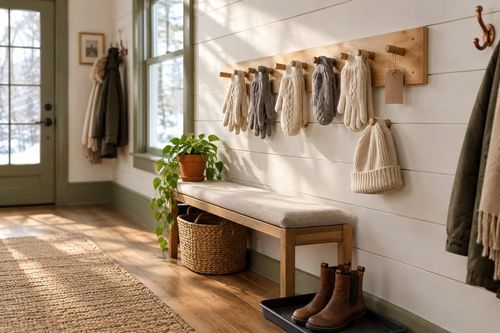
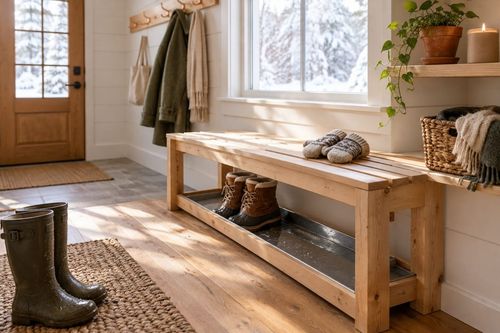
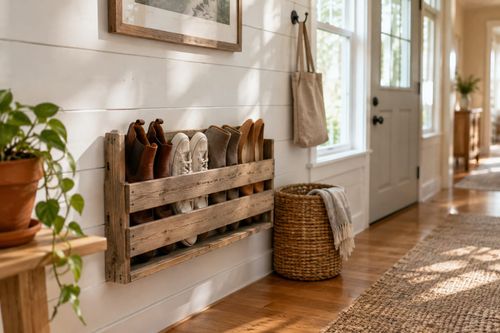
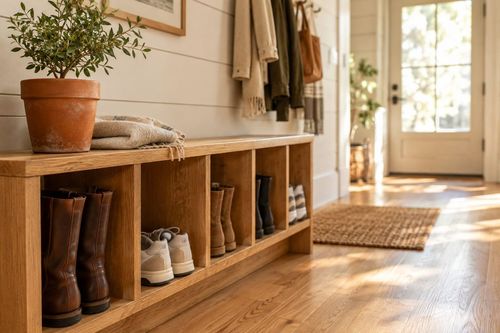
Reimagine a piece's purpose—transform dressers into bathroom vanities, headboards into hall benches, TV armoires into kitchen pantries, or sewing machine cabinets into bar carts by modifying components and adding appropriate hardware.
- Mixed Media
Combine different materials within one piece, such as painting a wooden frame but upholstering the seats, adding metal mesh or glass panels to cabinet doors, replacing wooden tops with stone or tile, or adding caning to solid panels.
When evaluating potential upcycling candidates, prioritize solid wood pieces over particle board or MDF, as they can withstand multiple transformations and last for generations. For mid-century or other collectible vintage pieces, research their potential value before making irreversible changes—sometimes gentle restoration is more appropriate than a complete makeover. Create cohesion when upcycling multiple pieces by using complementary (not matching) colors and consistent hardware finishes. Finally, don't forget to properly prep and finish—the most beautiful upcycling projects fail when paint peels or surfaces can't withstand daily use, so never skip the crucial cleaning, sanding, and sealing steps.