Weekend Build: Rustic Kindling Box for Cozy Firesides
Transform simple pine boards into a handsome storage solution that keeps your fire-starting essentials beautifully organized
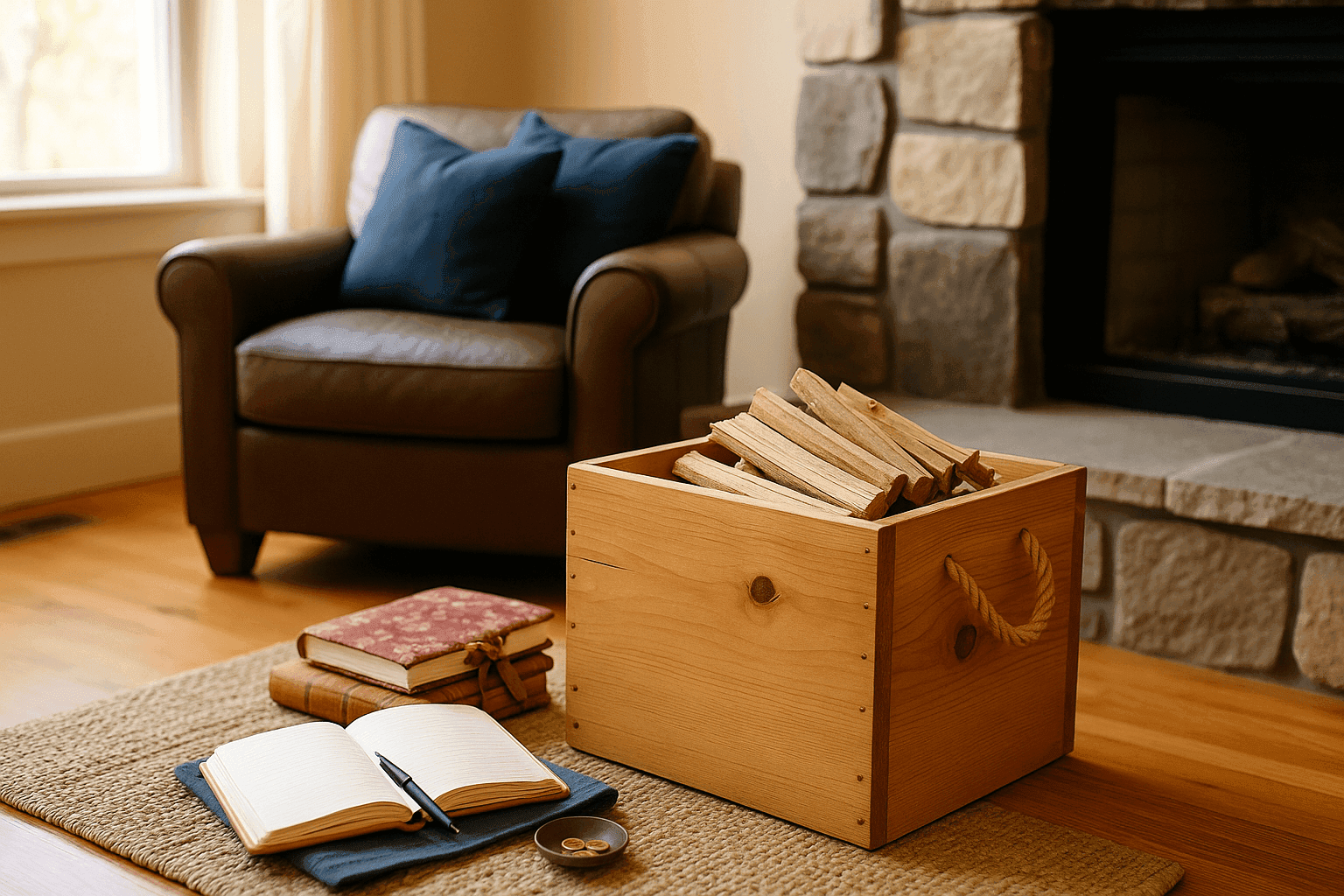
There's something wonderfully satisfying about building functional storage from scratch, especially when it solves that universal fireplace problem of kindling scattered everywhere. This simple box project requires just basic woodworking skills and takes about two hours from start to finish, but delivers years of practical use. The rope handles add a nautical touch while making the box easy to carry from your woodpile to the hearth. I love how this project lets you practice fundamental joinery techniques without complicated tools—just straight cuts, wood glue, and a handful of nails. Plus, at around $25 in materials, it's a fraction of what you'd pay for a similar piece at a home goods store, and you get the pride of saying "I made that" every time you build a fire.
What You'll Need
- Wood Materials:
- One 1x10 pine board, 6 feet long (for sides and bottom)
- One 1x3 pine board, 6 feet long (for corner trim and base)
- Hardware & Fasteners:
- 1¼-inch finishing nails or brad nails
- Wood glue
- 24 inches of ¾-inch manila rope (cut into two 12-inch pieces)
- Four 1-inch wood screws for rope attachment
- Tools Required:
- Circular saw or miter saw
- Drill with pilot bit
- Hammer or nail gun
- Measuring tape and pencil
- Sandpaper (120-grit and 220-grit)
- Optional: wood stain or polyurethane finish
- Total Cost: Approximately $25-30
Step-by-Step Construction
- Cut your pieces from the 1x10 board: two 16-inch lengths for the front and back, two 9-inch lengths for the sides, and one 14½-inch length for the bottom. This creates a box that's perfectly sized for kindling without being too bulky.
- Sand all pieces thoroughly with 120-grit sandpaper, paying extra attention to the edges and cut ends. Follow with 220-grit for a smooth finish—this step prevents splinters and helps any finish you apply look professional.
- Assemble the box by applying wood glue to the edge of one side piece, then positioning it flush with the end of the front piece. Secure with three evenly-spaced finishing nails, pre-drilling pilot holes to prevent splitting. Repeat for all four corners.
- Attach the bottom by flipping the assembled frame upside down, applying glue around the bottom edges, and centering the bottom piece. Nail through the bottom into each side piece with nails spaced about 3 inches apart.
- Add corner trim by cutting four 10-inch pieces from the 1x3 board. Glue and nail these vertically at each corner, which reinforces the joints and gives the box a more finished, craftsman-style appearance.
- Cut and attach base strips from the remaining 1x3, creating four pieces to frame the bottom perimeter. This lifts the box slightly off the floor, improving airflow and preventing moisture damage to the bottom.
- Install rope handles by drilling pilot holes 2 inches from the top edge and 3 inches from each side on the front and back pieces. Thread rope through, tie secure knots on the inside, and trim excess—the knots should sit flat against the interior walls.
- Apply your finish by wiping down the box to remove dust, then brushing on your choice of stain or polyurethane. A natural clear coat preserves the wood's warm tone, while a dark walnut stain creates dramatic contrast with the rope handles.
For a truly professional touch, chamfer the top edges of your box with a router and a 45-degree chamfer bit before assembly. This small detail transforms the piece from "homemade" to "artisan crafted" and makes the edges more comfortable to grip. If you don't have a router, you can achieve a similar softened edge by sanding the top corners at an angle with 120-grit paper wrapped around a sanding block—it takes a bit more elbow grease, but the refined look is absolutely worth the extra ten minutes of work.