Backsplash Brilliance: Easy Kitchen Updates for Spring
Revitalize your kitchen with light-colored tiles or peel-and-stick options for an instant refresh
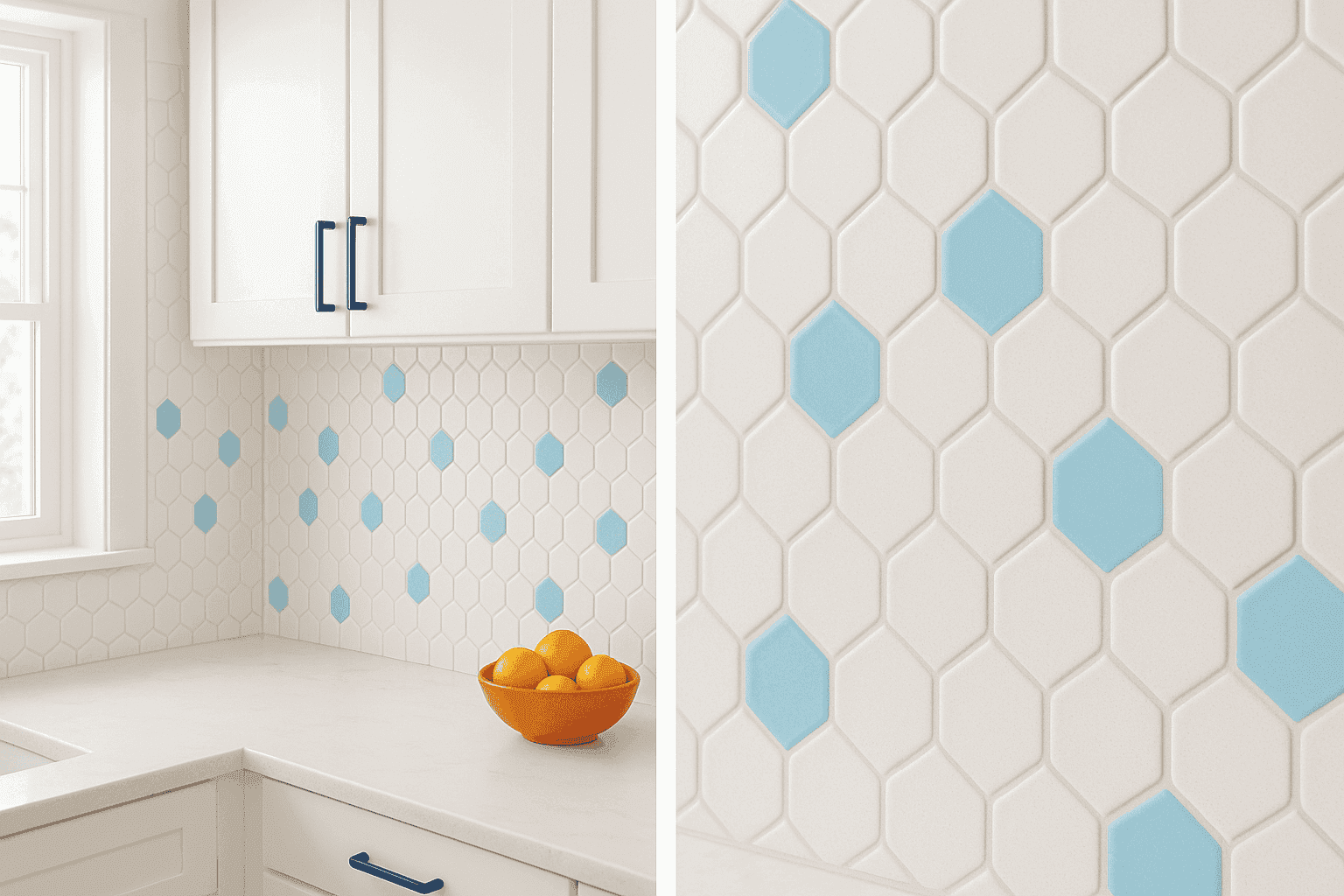
Your kitchen backsplash occupies prime visual real estate, making it the perfect candidate for a spring refresh. Whether you're looking to brighten a dark kitchen or simply update a dated look, installing a new light-colored backsplash can transform your space without the commitment of a full renovation. With modern peel-and-stick options alongside traditional tile choices, this weekend project delivers professional results with minimal effort.
What You'll Need
| For Peel-and-Stick Option: |
| • Peel-and-stick tiles or backsplash sheets |
| • Measuring tape and level |
| • Utility knife or scissors |
| • Straight edge |
| • Clean cloth and surface cleaner |
| For Traditional Tile Option: |
| • Ceramic, porcelain, or glass tiles |
| • Tile adhesive or mortar |
| • Grout and grout sealer |
| • Notched trowel |
| • Grout float and sponge |
| • Tile spacers |
| • Tile cutter or wet saw |
| • Measuring tape and level |
How To Do It
- Prepare the surface: Clean the wall thoroughly and remove any grease, food splatter, or loose paint. For peel-and-stick options, the wall should be completely smooth; for traditional tile, slight texture is acceptable.
- Measure and plan: Measure your backsplash area and create a layout plan. For the most professional look, center the pattern on the focal point (usually behind the stove or sink).
- For peel-and-stick installation:
- Start from the bottom center and work outward
- Peel back a small portion of the backing and align carefully
- Press firmly from center to edges, removing air bubbles
- Use a utility knife for precise cuts around outlets
- For traditional tile installation:
- Apply adhesive to a small section using the notched trowel
- Press tiles into place with spacers between them
- Cut edge tiles as needed with a tile cutter
- Allow adhesive to set according to manufacturer instructions
- Finishing touches: For traditional tile, apply grout between tiles, wipe away excess, and seal after it cures. For peel-and-stick, simply wipe down the surface with a clean cloth.
For a truly professional finish, consider using the "rule of thirds" when selecting your backsplash pattern and color. If your countertops are busy with pattern, choose a simple, solid backsplash. If your counters are solid, you can add more interest with subtle patterns in the backsplash. For small kitchens, consider light-colored tiles with reflective properties like glass or polished ceramic to bounce light around the room and create the illusion of more space. Finally, designers often run the backsplash all the way to the ceiling behind ranges for a custom, high-end look that dramatically elevates the entire kitchen.