Carpet Revival: Erase Winter's Dirt Without Professional Prices
Refresh high-traffic areas after months of salt, slush, and grime
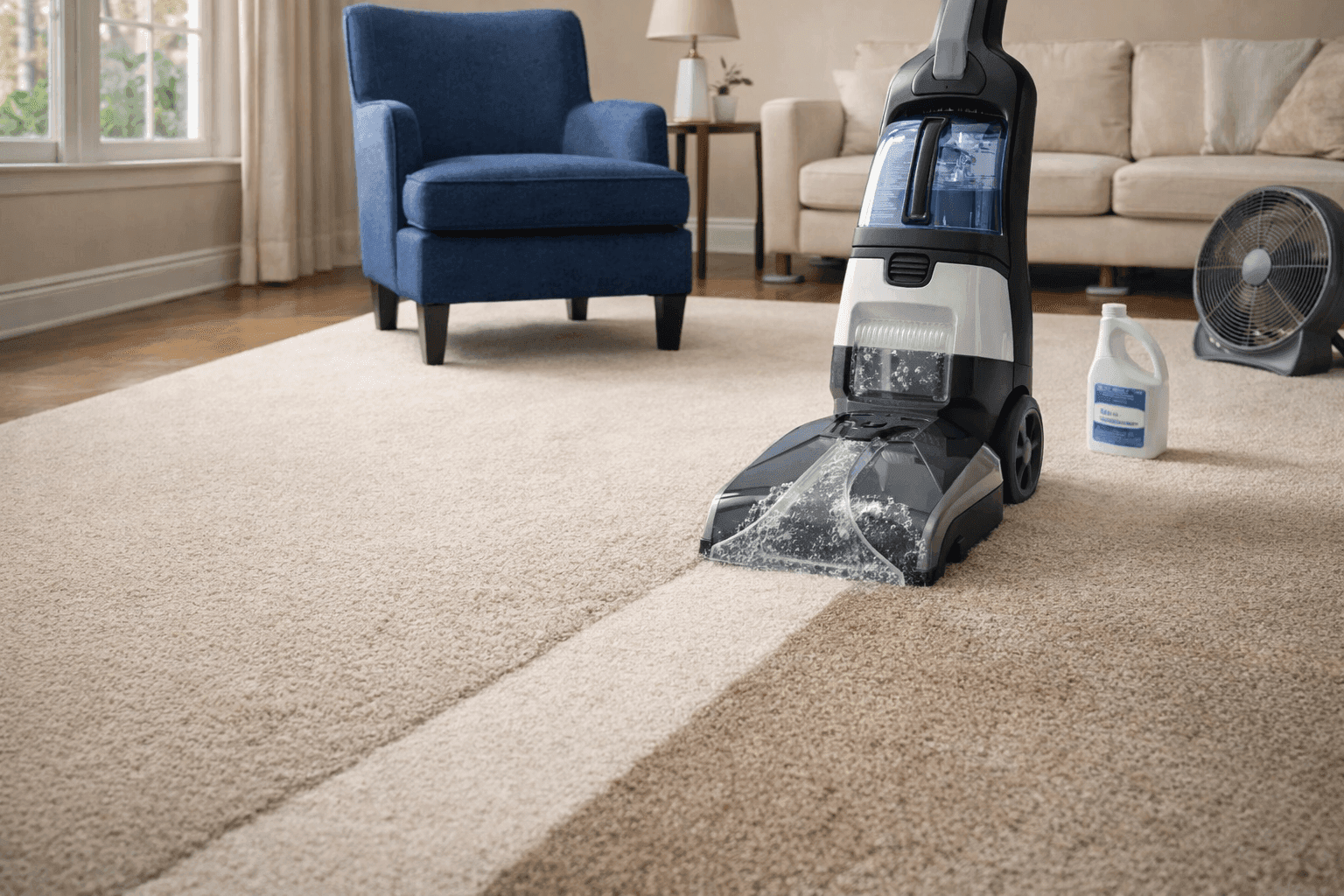
Winter leaves carpets bearing the evidence of months spent tracking salt, slush, dirt, and sand through your home, with high-traffic areas looking dingy and feeling gritty no matter how often you vacuum. Professional carpet cleaning services charge $200-400 for whole-home deep cleaning, while the reality is you can achieve comparable results for $30-50 by renting a carpet cleaner for a day or using effective homemade cleaning solutions with equipment you already own. This 2-3 hour weekend project transforms dull, dirty carpets back to their original colors and textures, removing embedded grime that regular vacuuming simply cannot reach no matter how powerful your vacuum or how frequently you use it. The difference between surface cleaning and deep cleaning is dramatic—rental machines inject hot water and cleaning solution deep into carpet fibers then extract the dirty water along with months of accumulated dirt, allergens, and stains that have been gradually dulling your floors. Beyond aesthetic improvement, deep cleaning removes allergens, dust mites, bacteria, and odors trapped in carpet padding, creating healthier indoor air quality that benefits everyone in your household but especially those with allergies or respiratory sensitivities. Strategic timing matters: late winter or early spring cleaning addresses salt damage before it permanently bleaches fibers, while fall cleaning prepares carpets for the upcoming indoor season when homes stay closed up and air quality depends more heavily on clean surfaces.
What You'll Need
- Equipment Options:
- Rental carpet cleaner ($30-50 for 24 hours at grocery/hardware stores)
- OR your own carpet cleaning machine if you own one
- OR spray bottle and scrub brush for spot DIY method
- Powerful vacuum for pre-cleaning
- Cleaning Solutions:
- Commercial carpet cleaning solution (comes with rental)
- OR homemade: 1 cup white vinegar + 2 cups warm water + 2 tbsp dish soap
- Baking soda for deodorizing and pre-treatment
- Optional: carpet-safe stain remover for tough spots
- Prep Supplies:
- Furniture sliders or aluminum foil for furniture protection
- Towels for catching drips and spills
- Fan or dehumidifier for faster drying
- Rubber gloves for protection
- Time Investment:
- 30 minutes prep (vacuuming, moving furniture)
- 1-2 hours active cleaning
- 30 minutes wrap-up
- 4-6 hours drying time before walking normally
Deep Clean Process
- Vacuum thoroughly to remove surface dirt, pet hair, and debris—this critical step prevents you from just pushing dirt deeper into fibers during wet cleaning, which creates muddy messes instead of clean carpets.
- Pre-treat visible stains and high-traffic areas by sprinkling baking soda, letting it sit 15-30 minutes to absorb odors and loosen dirt, then vacuuming again before introducing water to the equation.
- Move furniture off carpets if possible, or place aluminum foil or furniture sliders under legs to prevent rust stains and wood damage from wet carpet contact during the extended drying period.
- Mix your cleaning solution according to machine instructions or prepare homemade mixture, ensuring proper dilution because too-concentrated solutions leave sticky residue that actually attracts dirt faster than before cleaning.
- Clean in overlapping rows starting from the farthest corner and working backward toward exits, making slow steady passes that allow the machine adequate time to inject solution and extract dirty water thoroughly.
- Extract as much water as possible by making additional passes with only the suction function engaged, removing excess moisture that extends drying time and risks mold growth in padding underneath.
- Ventilate aggressively by opening windows, running fans, and using dehumidifiers if available—proper air circulation prevents musty smells and reduces drying time from overnight to just a few hours.
- Avoid walking on carpets until completely dry except for necessary traffic wearing clean socks only—premature foot traffic recompresses fibers and transfers oils that undo your cleaning efforts immediately.
Professional carpet cleaners recommend cleaning carpets every 12-18 months for maintenance, or immediately after winter if you live where road salt is used heavily, because salt residue continues damaging fibers even after visible dirt is gone. For rental machines, reserve them midweek rather than peak weekend times when availability is limited and you might get equipment that's been heavily used without maintenance between rentals. Test homemade cleaning solutions in inconspicuous corners first to ensure they don't discolor or damage your specific carpet type—what works beautifully on synthetic fibers might ruin natural wool or delicate materials. The biggest mistake people make is over-wetting carpets by moving the machine too slowly or making too many passes, which saturates padding underneath and creates perfect conditions for mold growth that's far worse than the dirt you were trying to remove. If you're cleaning yourself rather than renting equipment, work in small sections, use minimal water, and blot rather than scrub to avoid damaging carpet backing. For households with pets or children, consider scheduling cleanings during seasons when you can open windows widely for maximum ventilation, and plan activities that keep family members off freshly cleaned floors during the critical drying period when resoiling happens most easily.