Dimension and Depth: The Art of Textured Wallpaper Design
Transform flat walls into tactile, visually dynamic surfaces with texture
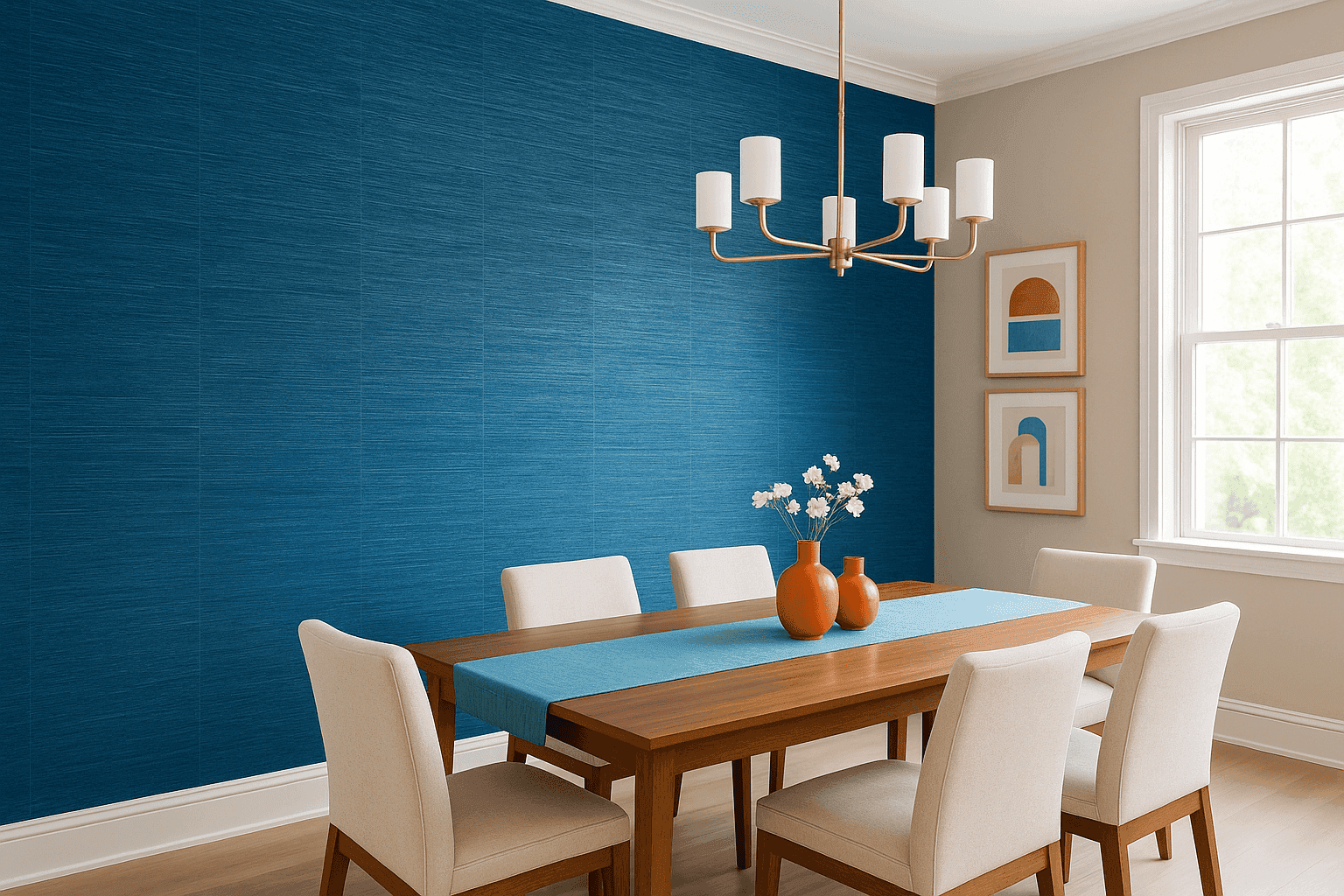
Textured wallpaper adds a sophisticated dimension to your home that flat paint simply cannot achieve. Whether you choose natural grasscloth, embossed vinyl, or dimensional woven patterns, these tactile wall coverings create depth, absorb sound, and hide minor wall imperfections. Once considered outdated, today's textured wallpapers offer contemporary patterns and techniques that elevate your space with visual interest and designer flair.
What You'll Need
| Textured wallpaper of choice |
| Wallpaper adhesive (pre-pasted or separate) |
| Wallpaper smoothing tool or plastic smoother |
| Utility knife with fresh blades |
| Straight edge or metal ruler |
| Measuring tape |
| Level |
| Pencil |
| Sponge and clean water |
| Drop cloth |
| Stepladder |
| Primer (if needed for wall preparation) |
How To Install It
- Choose your textured paper - Consider different textures like grasscloth (natural, organic feel), embossed vinyl (durable, washable), or woven fibers (sophisticated, tactile).
- Prepare the wall - Clean the surface thoroughly and repair any imperfections. Prime if necessary, especially for dark or uneven walls.
- Measure and cut - Measure wall height and add 4 inches for trimming. Cut strips according to measurements, making sure to match patterns if applicable.
- Create a straight guide - Use a level to draw a vertical line on the wall as a guide for your first strip, ensuring it's perfectly straight.
- Apply adhesive - For pre-pasted paper, soak according to manufacturer instructions. For unpasted papers, apply paste to the wall or paper as directed.
- Hang first strip - Align the first strip with your vertical guide, leaving extra paper at top and bottom for trimming. Work from top to bottom, smoothing as you go.
- Smooth out bubbles - Use a plastic smoothing tool, working from the center outward to eliminate air bubbles. Be gentle with textured papers to avoid damaging the surface.
- Trim excess - Use a straight edge and utility knife to trim excess paper at the ceiling and baseboard for clean edges.
- Continue the pattern - Hang subsequent strips, carefully matching patterns and avoiding overlaps. Butt edges together for a seamless look.
- Clean as you go - Gently wipe away excess adhesive with a damp sponge before it dries. Be especially careful with grasscloth and other natural fibers.
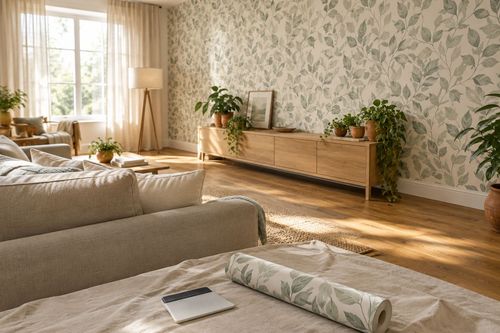
For maximum impact, consider using textured wallpaper strategically rather than throughout an entire room. An accent wall behind a bed or sofa, the back of built-in shelving, or the ceiling of a dining room creates a sophisticated focal point without overwhelming the space. Natural grasscloth often has color variations that create a slight paneling effect—embrace this as part of its organic charm rather than trying to match seams perfectly. In small rooms like powder rooms, consider metallic or light-reflecting textured papers that add depth while making the space feel larger. Finally, layer artwork over textured wallpaper for a gallery-worthy display with rich visual dimension.