Flow Restored: Clear Slow Drains Like a Pro
Natural cleaning power and simple tools tackle stubborn clogs without harsh chemicals
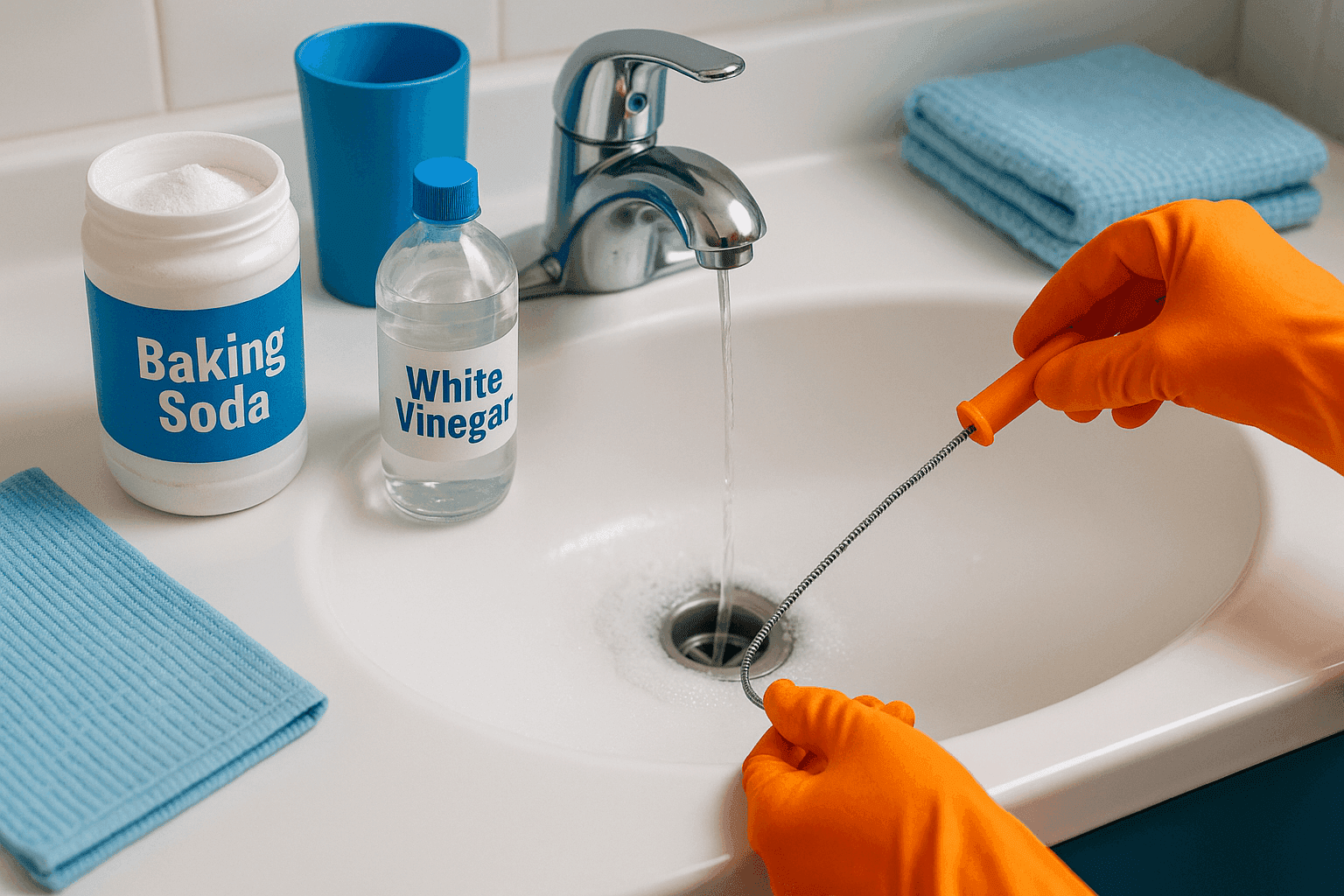
I used to dread that moment when I'd notice water sitting in the sink longer than usual, knowing it meant another expensive plumber call or wrestling with harsh chemical drain cleaners! Learning these natural drain clearing techniques completely changed my relationship with clogged drains – now I actually feel confident tackling them myself with simple household ingredients and basic tools. There's something incredibly satisfying about watching a sluggish drain suddenly flow freely after the baking soda and vinegar treatment, like you've performed some kind of household magic. The best part is knowing I'm not pouring toxic chemicals down my drains or into the water system, and these methods are so gentle they won't damage pipes like commercial drain cleaners can. Once you master these techniques, slow drains become just another minor household task rather than a source of stress and expense!
Natural Cleaning Arsenal
- Baking Soda: Natural abrasive and deodorizer, safe for all pipe types ($2-3)
- White Vinegar: Acidic cleaner that dissolves buildup and creates foaming action ($2-4)
- Hot Water: Helps flush loosened debris and activate cleaning reaction (free!)
- Drain Snake: Flexible cable tool for removing hair and solid clogs ($8-20)
- Rubber Gloves: Protection when handling snake or cleaning drain covers ($3-5)
- Old Toothbrush: Perfect for scrubbing drain covers and visible buildup ($1-2)
- Total Investment: Under $25 for supplies that handle most drain issues naturally
Clearing Process
- Remove visible debris from drain opening and clean drain cover thoroughly
- Pour ½ cup baking soda down drain, followed by ½ cup white vinegar
- Cover drain with stopper or wet cloth to contain fizzing reaction for 15 minutes
- Flush with very hot water to wash away loosened buildup and debris
- Test drain flow and repeat process if water still drains slowly
- Use drain snake for persistent clogs, feeding cable down and rotating to grab hair
- Pull snake back slowly, removing collected debris and disposing properly
- Finish with final hot water flush to ensure clear, fast-flowing drain
Professional plumbers know that the secret to preventing future clogs is regular maintenance rather than waiting for problems to develop. Here's my proven prevention strategy: use the baking soda and vinegar treatment monthly as a maintenance flush, even when drains are flowing well. My favorite technique for bathroom sinks is removing the drain stopper completely and giving it a thorough scrub – most people don't realize how much hair and soap buildup collects there. Pro tip: for kitchen sinks, always run very hot water after washing dishes to help dissolve grease before it solidifies in pipes. Also, invest in simple drain covers that catch hair and debris before they go down the drain – prevention is always easier and cheaper than clearing established clogs!