Focus Zone: Create a Back-to-School Study Nook
Transform any corner into a productivity powerhouse that makes studying feel less like work and more like success!
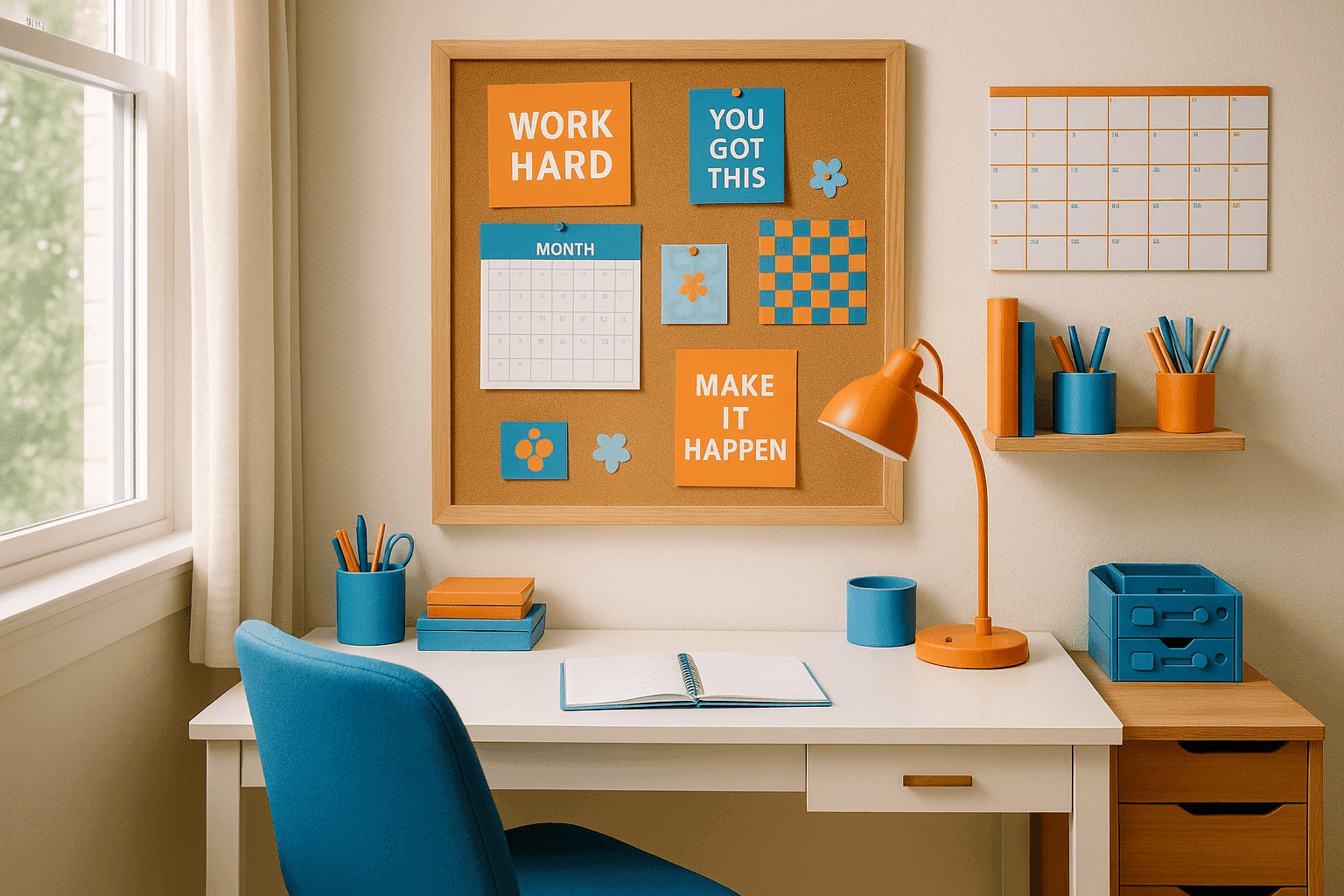
The difference between homework happening and homework battles often comes down to having the right space. When I created my daughter's first study nook three years ago, I watched her transform from someone who did homework grudgingly at the kitchen table to someone who actually asked to go to her "office" to work on projects. The secret isn't just having a desk – it's creating a space that feels special, organized, and inspiring. This project costs under $150 and can be completed in one weekend, but it sets up months of successful study sessions. Whether you're designing for a kindergartener or a college student, a well-designed study nook becomes a productivity sanctuary that makes focusing easier and learning more enjoyable.
What You'll Need
- Desk Setup: Small desk or table (~$50-80), ergonomic chair that fits the user perfectly
- Organization: Pinboard or bulletin board (~$15), calendar, desktop organizers, file folders
- Lighting: Task lamp with adjustable arm (~$25), overhead lighting if corner is dim
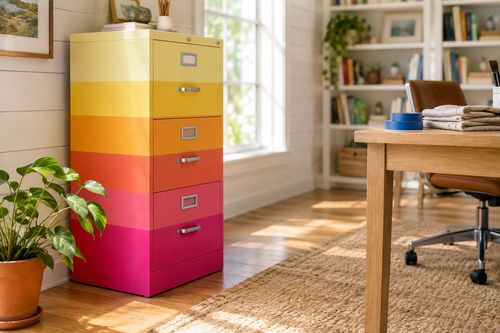
- Storage Solutions: Floating shelves, cubby organizers, or rolling cart for supplies
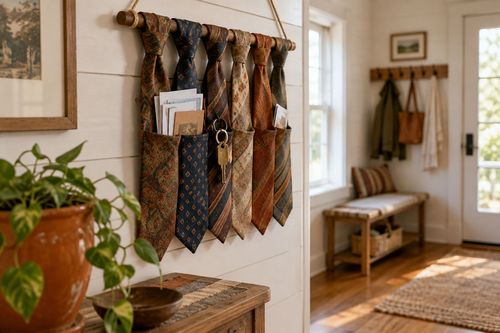
- Inspiration Elements: Colorful pushpins, washi tape, motivational quotes, personal photos
- Comfort Additions: Small plant, cozy throw pillow, or favorite color accents
Step-by-Step Method
- Choose a quiet corner away from TV and high-traffic areas, preferably with natural light
- Measure your space carefully to ensure desk and chair fit comfortably with room to move
- Install adequate lighting that eliminates shadows on work surface and reduces eye strain
- Position desk so user faces away from distractions but can see room entrance
- Mount pinboard or bulletin board at eye level for easy reference while working
- Organize supplies in designated spots so everything has a specific, logical home
- Personalize with colors, quotes, and decorations that reflect the user's personality and goals
- Test the setup by having the user spend time in the space and adjust as needed
Professional learning space designers use the "zone method" – create distinct areas for different activities within the nook. Active work happens at the desk, reference materials live on the pinboard, and supplies stay in designated organizers. Also, involve the user in decoration choices – when kids help pick colors and arrange inspirational elements, they feel ownership and are more likely to use the space consistently. The goal is a space that feels like "theirs," not just another assigned homework spot!