Daylight Designer: How to Install a Skylight for Natural Brightness
Transform dark rooms with overhead natural light that saves energy and elevates mood
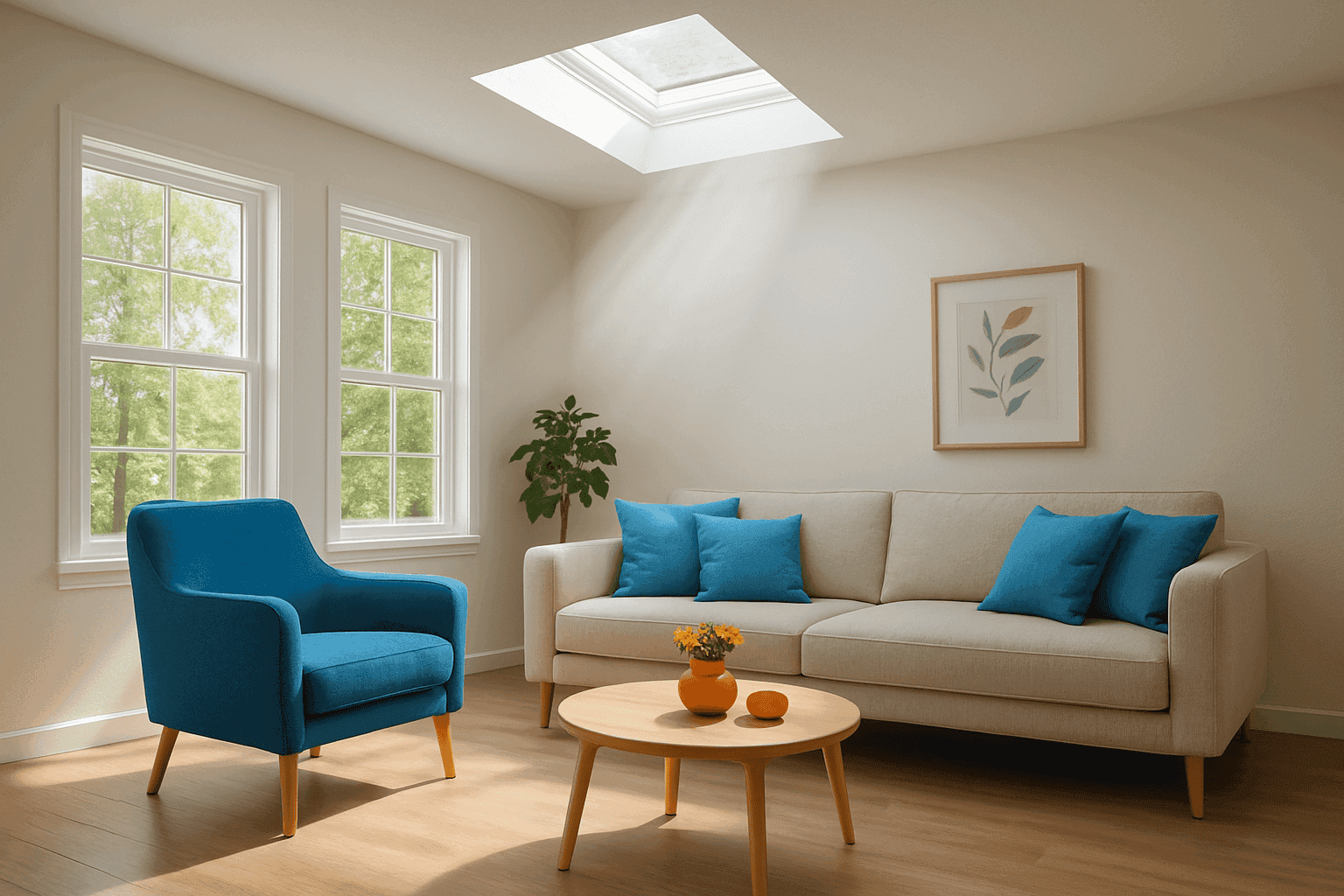
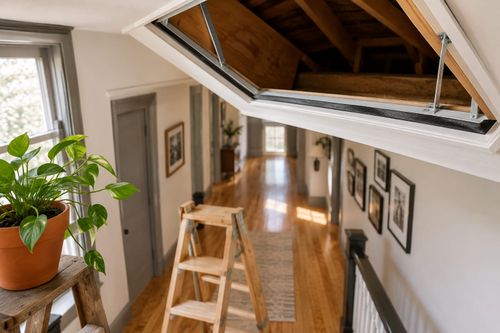
A skylight is a game-changer for dim rooms, bringing in up to three times more natural light than vertical windows of the same size. Beyond the aesthetic appeal, skylights reduce electricity costs, provide passive heating in winter, and can increase your home's value. While this project requires intermediate to advanced DIY skills, the transformative results are well worth the effort.
What You'll Need
| Skylight kit (fixed, ventilating, or tubular) |
| Roofing tools (pry bar, roofing knife) |
| Circular saw |
| Reciprocating saw |
| Drill |
| Measuring tape |
| Chalk line |
| Flashing kit (often included with skylight) |
| Roofing nails |
| Roofing cement |
| Ladder |
| Safety equipment (harness, goggles, gloves) |
How To Install It
- Check building codes - Verify local regulations and determine if permits are required before beginning.
- Choose location carefully - Select a spot between roof rafters, avoiding electrical wiring, plumbing, and HVAC ducts.
- Mark ceiling location - From the attic, mark the corners of your planned skylight opening, then drill small holes through to the ceiling.
- Cut the interior opening - Connect the corner holes with a chalk line, then carefully cut along these lines with a drywall saw.
- Create the roof opening - Transfer measurements to the roof, marking the opening slightly larger than the skylight dimensions.
- Remove roofing materials - Carefully remove shingles and roof decking from the marked area.
- Build the light shaft - Frame the opening with lumber according to manufacturer's specifications, creating a shaft between roof and ceiling.
- Install the skylight - Position the skylight in the opening and secure it according to the manufacturer's instructions.
- Apply flashing - Install flashing around the skylight to create a watertight seal, working from bottom to top.
- Finish interior trim - Install drywall on the light shaft, then paint and add trim for a finished look.
For maximum impact, consider installing multiple smaller skylights rather than one large one. This creates a more dramatic effect as light patterns move across your room throughout the day. If budget is a concern, tubular skylights (sometimes called sun tubes or light pipes) offer a more affordable alternative that's also easier to install with less disruption to your roof structure. For rooms where heat gain is a concern, opt for skylights with Low-E glass or built-in blinds that can be closed during the hottest part of the day.