Light Right: Install a Smart Outdoor Timer for Fall
Automate your landscape lighting as daylight fades for effortless security and curb appeal
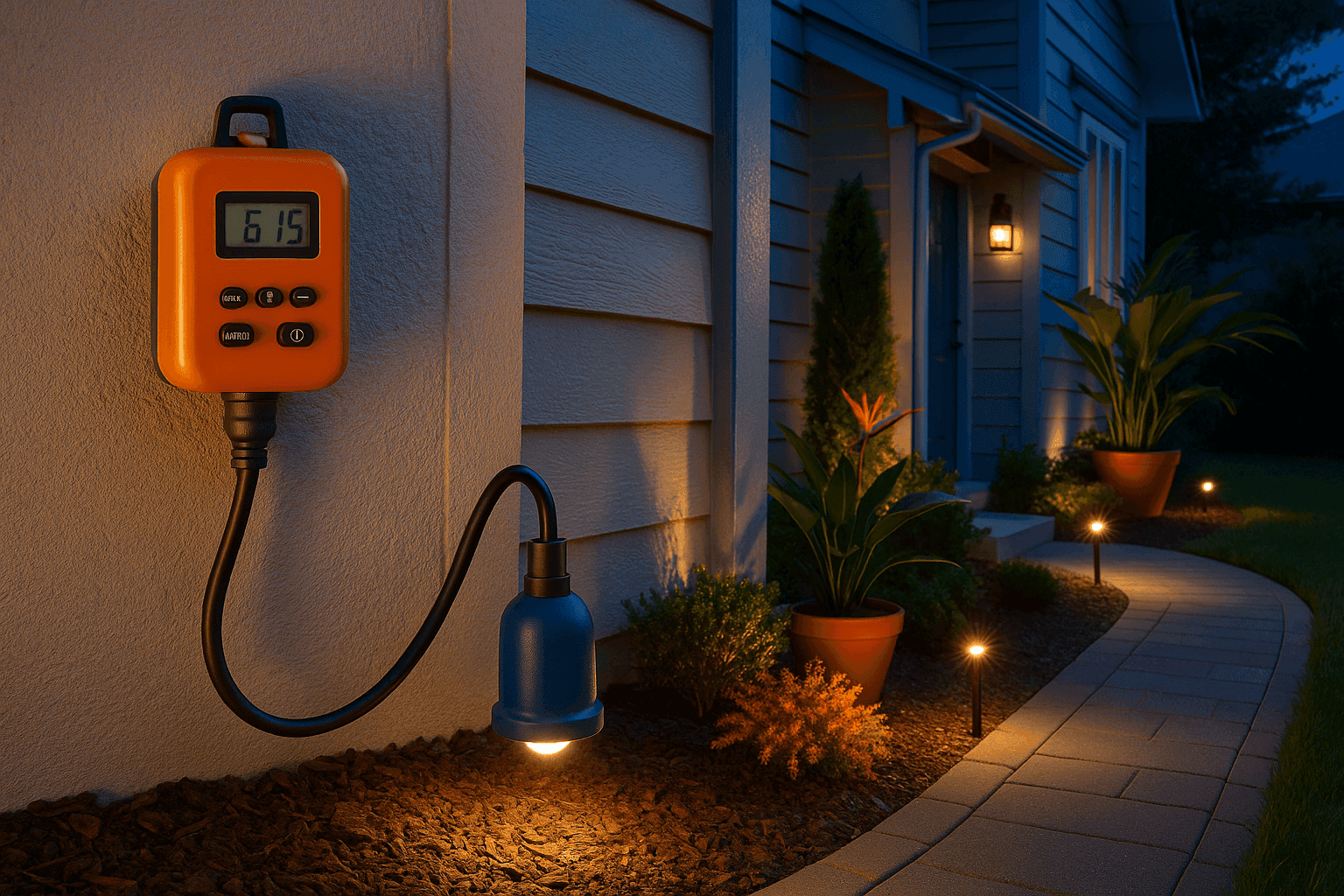
I used to be that person who constantly forgot to turn on my outdoor lights until I was stumbling around in the dark or realized my house looked completely unwelcoming! Installing a programmable timer was one of those game-changing upgrades that makes you wonder why you waited so long to do it. With daylight hours shrinking fast as we head into fall, having your landscape lighting automatically adjust to the changing seasons is pure genius. There's something so satisfying about pulling into your driveway every evening to a perfectly lit home that feels both secure and welcoming. The best part is how this one simple upgrade instantly makes your house look more expensive and well-maintained, plus provides that crucial security lighting during those long winter months ahead. It's like having a personal lighting assistant that never forgets and never needs a day off!
Timer & Installation
- Programmable Timer: Weather-resistant outdoor timer with seasonal adjustment ($25-60)
- Electrical Supplies: Wire nuts, electrical tape, outdoor-rated wire if extending ($10-20)
- Mounting Hardware: Weatherproof electrical box, conduit, mounting screws ($15-25)
- Safety Equipment: Non-contact voltage tester, electrical gloves ($15-20)
- Tools: Wire strippers, screwdrivers, drill with bits ($10 if needed)
- Optional Upgrades: Smart timer with phone app control, photocell sensor ($40-100)
- Total Investment: $75-225 for complete automation system that saves energy and improves security
Installation Steps
- Turn off power at the breaker and verify it's off with voltage tester
- Choose location for timer, ideally protected from direct weather exposure
- Mount weatherproof electrical box if replacing existing switch or outlet
- Connect timer according to manufacturer's wiring diagram and local codes
- Program seasonal schedules with sunset/sunrise adjustments for year-round automation
- Test operation by running through full cycle to ensure proper function
- Set different schedules for weekdays, weekends, and special occasions
- Document settings and create backup schedule for easy reprogramming if needed
Professional landscape lighting designers know that the key to effective outdoor lighting is layering different types on separate timers. Here's my pro strategy: put security lights on dusk-to-dawn timers, accent lighting on shorter evening schedules, and pathway lights on extended hours for safety. The secret is using timers with astronomical features that automatically adjust for changing daylight hours throughout the year – no manual seasonal adjustments needed! My favorite upgrade is adding a photocell override that prevents lights from turning on during bright nights or storms when they're not needed. Pro tip: program a "vacation mode" with random on/off patterns that simulate occupancy when you're away – it's the best deterrent for potential intruders!