Living Decor: Mastering the Art of Indoor Plant Styling
Transform your space with strategically placed greenery and designer-worthy planters
Indoor plants do more than purify air—they bring texture, color, and life to your interior design. The art of plant styling combines selecting the right plants for your space with thoughtful placement and complementary containers. Whether you're a seasoned plant parent or just beginning your green journey, these styling techniques will help you create Instagram-worthy plant displays that enhance your home's aesthetic while making plant care more manageable.
Essential Elements
| Variety of Plant Types: • Tall floor plants: Fiddle leaf fig, bird of paradise, rubber plant • Medium tabletop plants: Peace lily, pothos, snake plant • Small accent plants: Succulents, air plants, ferns • Trailing varieties: String of pearls, ivy, philodendron |
| Decorative Containers: • Materials: Ceramic, terracotta, concrete, woven baskets • Styles: Modern, textured, painted, metallic • Sizes: Various heights and diameters • Plant stands: Wood, metal, or rattan |
| Care Supplies: • Quality potting soil appropriate for plant type • Watering can with narrow spout • Spray bottle for humidity-loving plants • Pruning shears for maintenance |
| Styling Accessories: • Decorative moss or pebbles for top dressing • Small figurines or objects for terrariums • Plant misters that double as decor • Grow lights for low-light areas |
Styling Techniques
- Create levels and layers
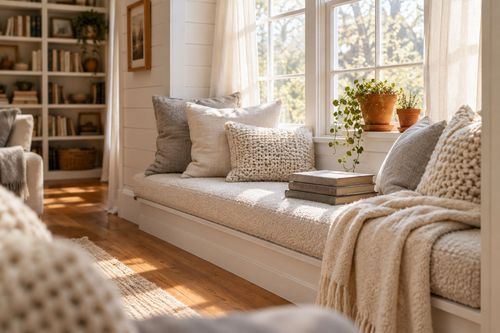
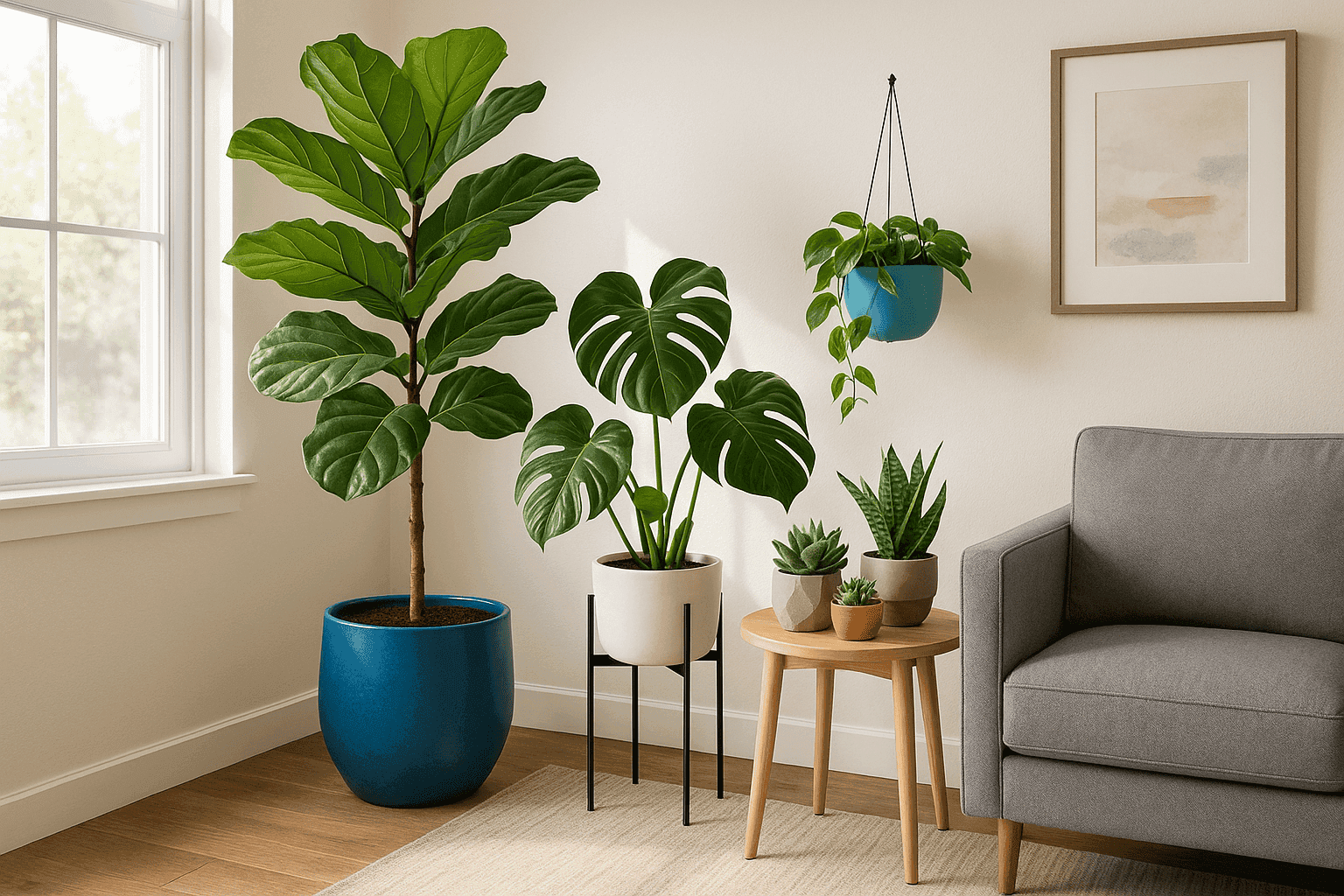
Vary plant heights by using plant stands, stacked books, or hanging planters. Position taller plants behind shorter ones to create depth and ensure all plants remain visible and receive adequate light.
- Group in odd numbers
Follow the designer's rule of three by clustering plants in groups of 3, 5, or 7. This creates a more visually appealing, organic arrangement than even-numbered groupings.
- Mix textures and shapes
Combine plants with different leaf shapes, sizes, and textures. Pair feathery ferns with structural snake plants, or round-leafed plants with spiky varieties for visual contrast.
- Coordinate containers
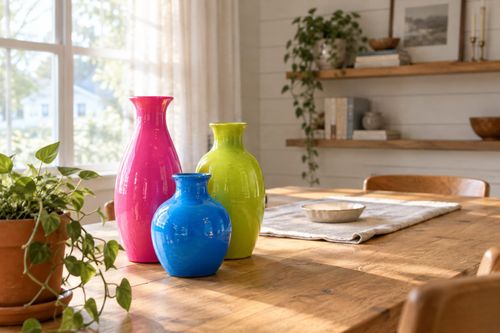
Choose planters that complement each other without matching exactly. Unify through color palette, material, or style while introducing subtle variations in size, shape, or texture.
- Consider plant care needs
Group plants with similar light and water requirements together, both for aesthetic cohesion and practical maintenance. This prevents over or under-watering and ensures all plants in a grouping will thrive.
- Create focal points
Use statement plants (like a large fiddle leaf fig or dramatic monstera) as anchors in room corners or empty spaces. Balance with smaller plants to avoid visual heaviness on one side of the room.
Strategic Placement Ideas
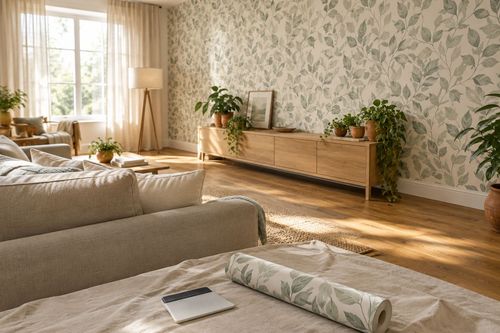
- Empty corners - Large floor plants add life to unused spaces
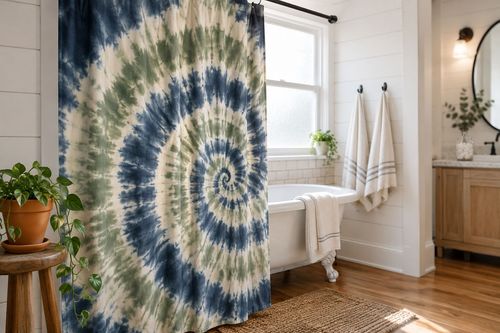
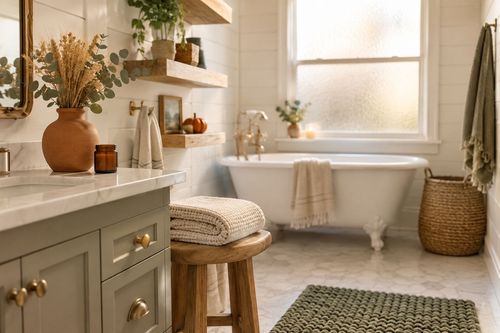
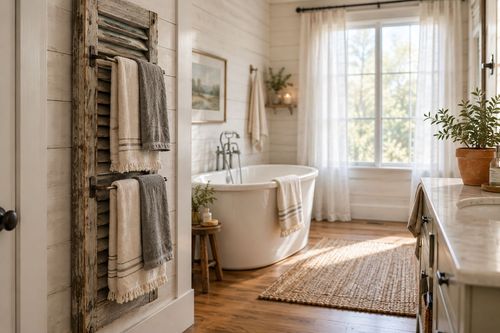
- Bathroom shelves - Humidity-loving plants like ferns and pothos
- Kitchen counters - Herbs and small succulents in decorative pots
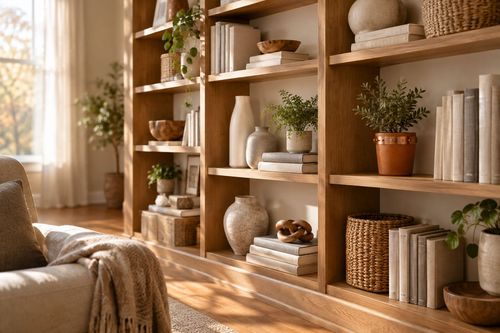
- Mantels and bookshelves - Trailing plants that cascade down
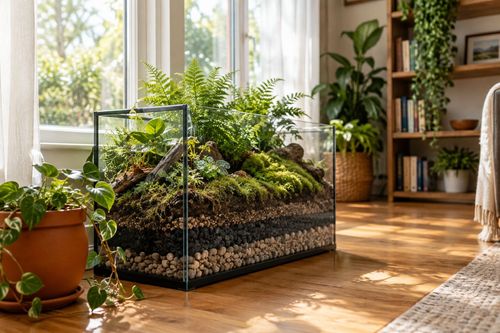
- Coffee tables - Low-maintenance plants or terrariums as centerpieces
For a designer-worthy plant display, don't overlook the importance of negative space—allowing some breathing room between plant groupings prevents the cluttered "jungle" look unless that's specifically your goal. Consider your home's architectural features when placing plants; frame windows with hanging plants, highlight built-ins with trailing varieties, or define room divisions with taller specimens. For cohesion without monotony, try the "thriller, filler, spiller" approach borrowed from garden design: combine an eye-catching vertical plant (thriller) with bushy mid-height plants (filler) and trailing varieties (spiller) in each major grouping throughout your home.