Mason Jar Snow Globes That Look Professionally Made
Create enchanting handmade gifts using miniature figurines, fake snow, and glycerin for magical shaking effect
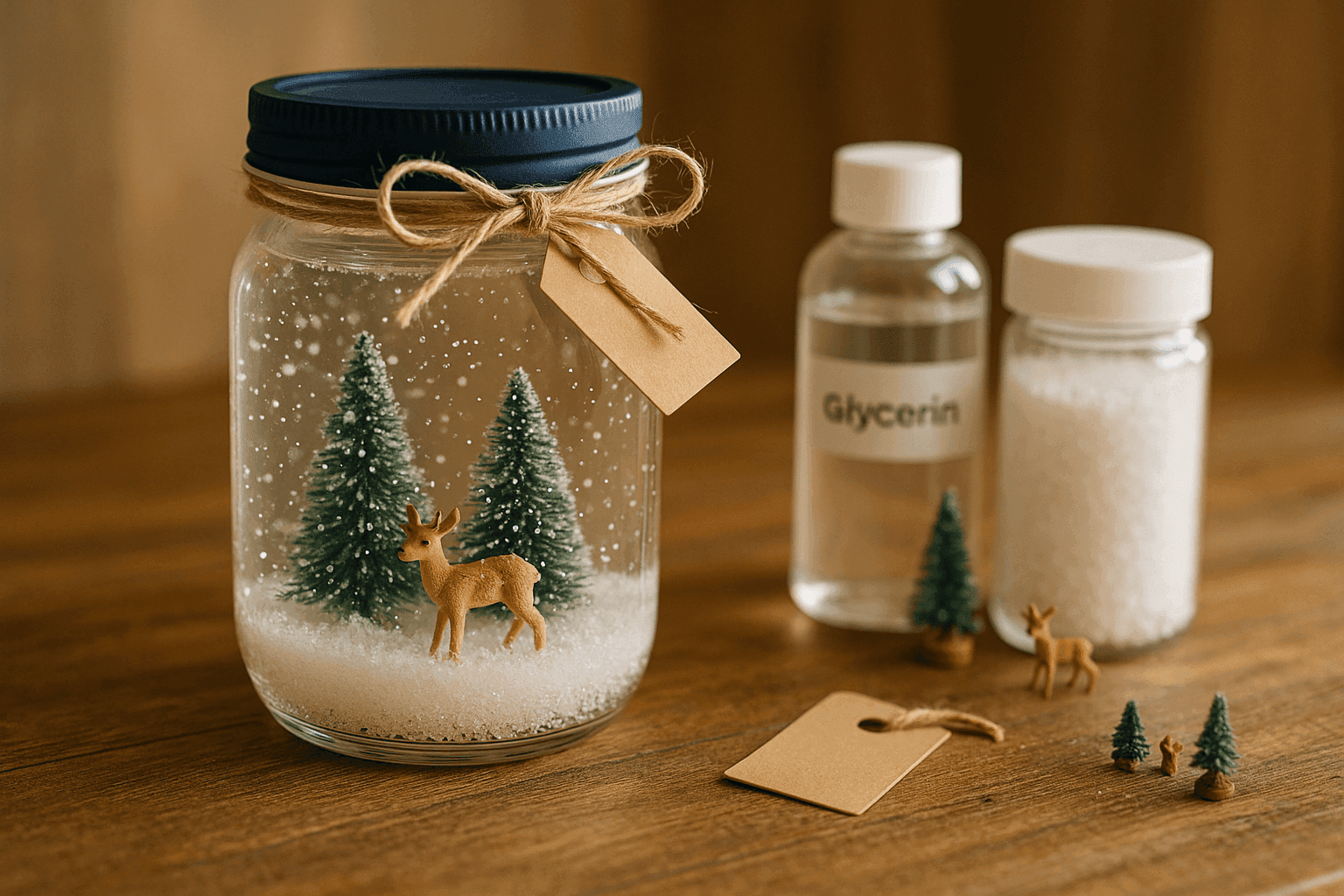
The first time I gave someone a homemade mason jar snow globe, they literally asked which boutique I'd purchased it from because the quality looked so professional, and I felt that wonderful satisfaction of knowing I'd created something special for about $4 in materials. DIY snow globes combine the charm of handmade gifts with polished presentation that recipients genuinely treasure rather than politely accepting and quietly discarding, making them perfect for teachers, coworkers, neighbors, or anyone on your gift list who appreciates thoughtful creativity. This project costs $3-5 per globe depending on figurine choices and takes about 30 minutes per jar once you've assembled your supplies and established your production rhythm. I've made dozens over the years, experimenting with different scenes from winter forests to beach themes to birthday celebrations, and the versatility makes them suitable for any occasion beyond just holidays. The magic lies in the glycerin-water mixture that creates that satisfying slow-motion snow swirl when you shake the jar—it's the professional touch that distinguishes homemade snow globes from obvious craft projects. Beyond being economical and customizable gifts, making snow globes is genuinely fun, meditative crafting that's perfect for involving kids or creating as group activity with friends over wine and holiday music.
What You'll Need
- Container Base:
- Mason jars with tight-sealing lids (pint or half-pint size)
- Clear glass shows scene best
- Ensure lids seal completely to prevent leaks
- Cost: $1-2 each or use recycled jars
- Scene Elements:
- Miniature bottle brush trees (craft stores)
- Small plastic figurines (deer, snowmen, houses)
- Waterproof decorative elements
- Choose items that fit jar opening
- Avoid anything that will rust or dissolve
- Liquid & Snow:
- Distilled water (prevents cloudiness)
- Clear glycerin (slows snow fall)
- Fake snow or white glitter
- Optional: iridescent glitter for sparkle
- Ratio: 3/4 water to 1/4 glycerin
- Adhesives & Sealing:
- Waterproof epoxy or E6000 glue
- Hot glue gun (not waterproof but works for bases)
- Clear silicone sealant for lid edges
- Painter's tape for masking
- Finishing Touches:
- Ribbon or twine for lid decoration
- Small gift tags
- Acrylic paint for bases (optional)
- Clear acrylic sealer spray
- Total Cost: $3-5 per snow globe
Creation Steps
- Design your scene by arranging figurines and trees on the jar lid upside down to visualize how they'll look once submerged and jar is inverted. Consider scale, spacing, and whether items will block each other when viewed from different angles—this planning prevents disappointment after everything's permanently glued.
- Glue elements to lid using waterproof epoxy or E6000, positioning items on the inside of the lid so they extend down into the jar when assembled. Apply generous glue and let cure completely per manufacturer directions—usually 24 hours—before adding water, or glue will fail and your scene will float away.
- Paint lid exterior if desired by removing the flat insert and painting the band with acrylic paint in coordinating colors, then sealing with clear acrylic spray once dry. This finishing touch conceals generic metal lids and creates polished presentation that looks intentional rather than improvised.
- Fill jar with water leaving about one inch of space at top to account for figurine displacement and prevent overflow when lid is screwed on. Using distilled water prevents mineral buildup and cloudiness that develops over time with tap water, keeping your globe crystal clear.
- Add glycerin carefully by pouring approximately 1/4 cup for a pint jar, adjusting ratio based on desired snow fall speed—more glycerin creates slower, dreamier drifting while less makes snow settle faster. The glycerin is what creates that magical suspended animation effect when shaken.
- Sprinkle fake snow or glitter into the liquid, starting conservatively with about a tablespoon then adding more if needed after testing. Too much snow creates murky water that obscures your scene, while too little looks sparse and disappointing—aim for that Goldilocks sweet spot of swirling abundance without opacity.
- Test before sealing by loosely screwing on the lid and gently shaking to see how snow falls and whether scene looks balanced. This trial run lets you adjust snow quantity, add more glycerin, or even reposition figurines if they're not working before permanent sealing commits you to the current configuration.
- Seal lid permanently by applying clear silicone sealant or waterproof glue around the jar rim threads before screwing lid on tightly, then adding another bead around the outside edge where lid meets jar. This double sealing prevents the heartbreaking leaks that ruin snow globes and create sticky messes.
- Let cure completely by leaving sealed jar upright for 24-48 hours before inverting to final display position, giving sealant adequate time to set fully. Testing too early by flipping and shaking can break seals and undo all your careful work when you're so close to completion.
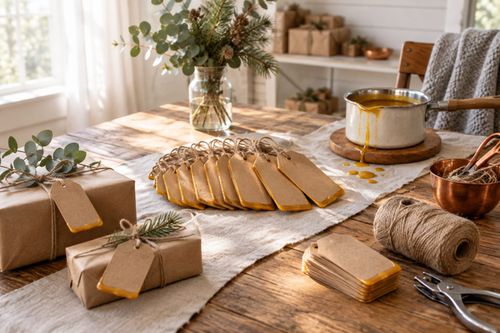
- Decorate and gift by tying ribbon or twine around the lid band, attaching small gift tags, and presenting upside down so the scene is visible when jar sits on a surface. Include gentle instructions to shake periodically and store upright between displays to maintain seal