Natural Rhythm: Incorporating Light Wood Accents for Spring Renewal
Warm up your space with pale maple, ash, and birch elements that bring organic texture and spring's golden light indoors
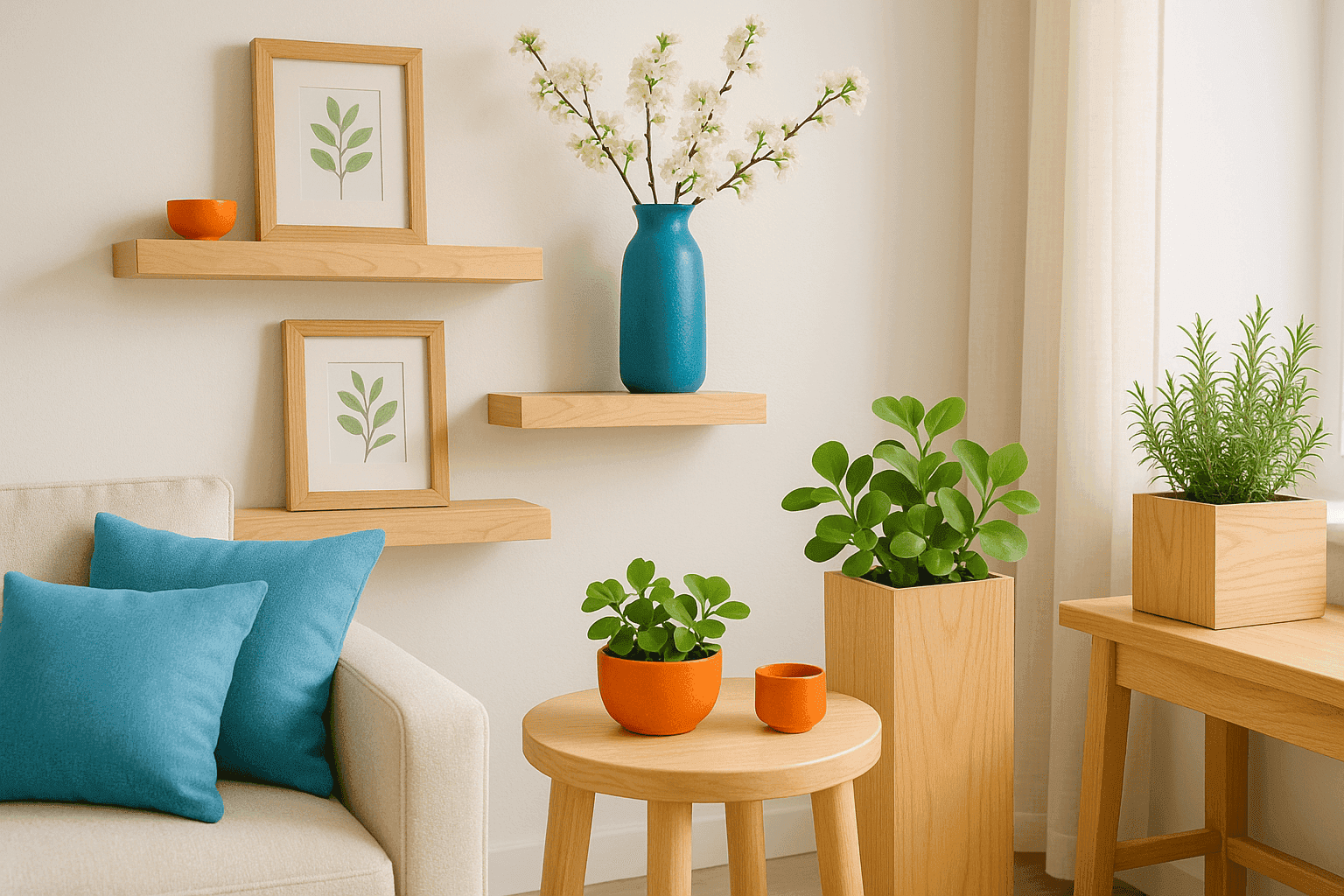
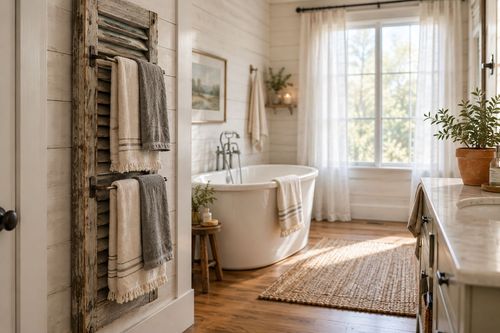
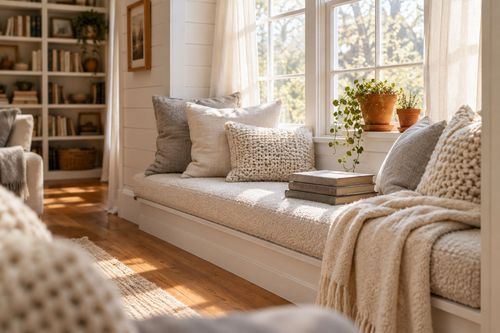
Light wood accents offer the perfect way to transition your home from winter's cozy darkness to spring's airy brightness. The warm honey and blonde tones of ash, maple, birch, and white oak bring natural warmth that complements spring's palette without overwhelming it. Unlike heavy dark woods that ground winter spaces, these lighter varieties reflect more light, creating an instant lift to your rooms. By strategically incorporating these elements through accessible accent pieces rather than major furniture investments, you can effectively refresh your space while maintaining a timeless quality that works year-round. The natural grain patterns also introduce organic texture that pairs beautifully with spring's fresh greenery.
What You'll Need
| Small Furniture Pieces: |
| • Light wood side table or plant stand |
| • Floating wall shelves in maple or birch |
| • Small storage stool or ottoman with wooden legs |
| • Ladder shelf in white oak or ash |
| • Bentwood or Scandinavian-style accent chair |
| Decorative Accents: |
| • Wooden picture frames in light finishes |
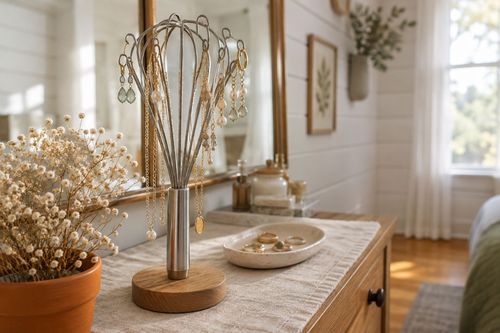
| • Natural wood trays for styling |
| • Wooden candle holders or lanterns |
| • Hand-carved wooden bowls or vessels |
| • Sculptural driftwood or branch arrangements |
| Kitchen & Dining Elements: |
| • Wooden cutting boards and serving platters |
| • Wood-handled utensils or servers |
| • Light wood salt and pepper mills |
| • Maple or birch napkin rings |
| • Natural wood chargers or placemats |
| Textiles & Complementary Materials: |
| • Linen or cotton cushions in spring colors |
| • Botanical prints for framing |
| • Potted plants in light wood planters |
| • Natural fiber rugs (jute, sisal, seagrass) |
| • Glass vases or ceramic pieces in complementary tones |
| For DIY Projects: |
| • Unfinished wooden beads for garlands |
| • Light wood veneer for covering small surfaces |
| • Water-based wood stains in light tones |
| • Birch or balsa wood sheets for crafting |
| • Clear sealant for protecting wooden surfaces |
How To Do It
- Assess your space and create a plan:
- Identify areas that would benefit from lightening up
- Take inventory of existing dark wood pieces that could be replaced
- Determine whether you'll focus on one room or spread accents throughout
- Set a budget for new purchases or DIY projects
- Consider which light wood tones complement your existing color scheme
- Start with impactful accent furniture:
- Replace a dark side table with a light wood alternative
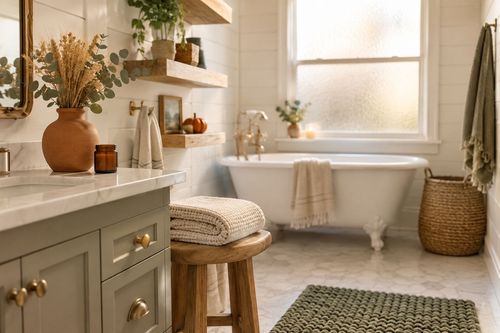
- Add a small maple or ash stool as a plant stand
- Install floating shelves in birch or white oak
- Introduce a bentwood magazine rack or book holder
- Consider a statement piece like a ladder shelf or small console
- Refresh wall displays with wooden frames:
- Switch dark frames for light wood versions
- Create a cohesive gallery wall with matching maple or ash frames
- Mix frame finishes (natural, whitewashed, light oak) for variety
- Frame botanical prints or spring photography
- Consider wood-framed mirrors to reflect light and expand space
- Layer in wooden tabletop accessories:
- Style coffee tables with light wood trays
- Display wooden bowls or vessels as standalone objects
- Group wooden candle holders in varying heights
- Arrange books with wooden bookends
- Incorporate sculptural driftwood or branches in clear vases
- Bring light wood elements to dining areas:
- Display wooden cutting boards against backsplashes
- Use wood chargers under plates for casual meals
- Switch to wood-handled serving utensils
- Create a centerpiece using a wooden tray with spring elements
- Hang wooden utensils or cooking tools as functional decor
- Combine wood with greenery:
- Place plants in light wood planters or baskets
- Create contrast between blonde wood and vibrant green foliage
- Use wooden plant stands to elevate greenery
- Incorporate branches or twigs in natural arrangements
- Position plants near wood elements to enhance the natural connection
- DIY simple light wood projects:
- Create a wooden bead garland for draping across mantels or shelves
- Craft simple wooden trivets from maple or oak rounds
- Make wood slice coasters sealed with clear polyurethane
- Build a simple tray from light wood boards
- Apply wood veneer to update small accessories like boxes or trays
- Update existing pieces:
- Strip and refinish small wood items in lighter stains
- Apply whitewash techniques to reduce darkness of wooden pieces
- Replace dark knobs with light wood alternatives
- Add wooden legs to upholstered furniture pieces
- Consider liming wax for a gentle lightening effect on grain
- Create balance with complementary textures:
- Pair light wood with natural fibers like linen and cotton
- Add ceramic or glass elements in similar warm tones
- Incorporate metals like brass or copper that complement light woods
- Include textural contrast with stone or concrete accessories
- Balance smooth finished wood with rough or bark-edge pieces
- Maintain and protect your wood accents:
- Apply food-safe oils to wooden kitchen items regularly
- Keep wood out of direct sunlight to prevent yellowing
- Use coasters and mats to protect wooden surfaces
- Dust regularly with a soft cloth
- Apply appropriate sealants to pieces that may be exposed to moisture
Professional designers employ a technique called "tonal layering" when incorporating light woods into spring decor. Rather than selecting pieces all in the exact same blonde tone, they deliberately mix slightly different light wood varieties—perhaps maple, ash, and white oak—to create subtle depth while maintaining a cohesive palette. This approach creates visual interest and prevents the space from feeling flat or overly matched. Another industry secret is understanding the concept of "wood temperature"—some light woods like maple have cooler undertones, while others like pine tend toward warmer amber notes. Selecting woods with temperatures that complement your existing color scheme elevates the overall design. For the most sophisticated effect, designers recommend limiting light wood to 40% of your visible surfaces, balancing it with soft textiles and reflective elements. Finally, top stylists often incorporate at least one "character piece" with distinctive grain patterns or natural edges among more refined wood items, creating a focal point that draws the eye and adds organic authenticity to the space.