Pantry Perfection: Smart Systems for an Organized Kitchen Pantry
Transform your food storage from chaotic to categorized with simple, sustainable solutions
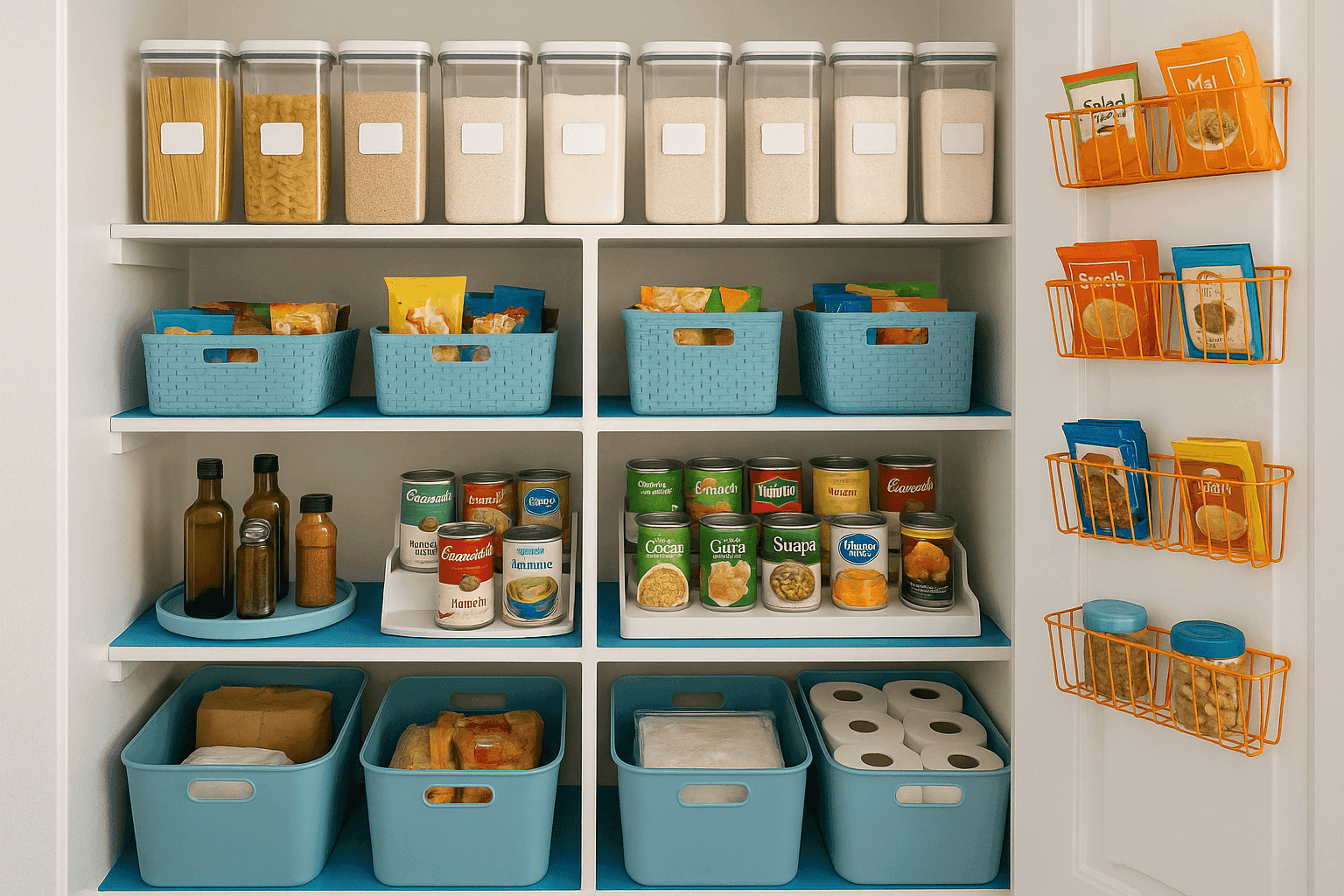
An organized pantry is the backbone of an efficient kitchen. Beyond just looking Instagram-worthy, a well-designed pantry system saves time, reduces food waste, simplifies meal planning, and minimizes duplicate purchases. Whether you're working with a dedicated walk-in pantry, a few kitchen cabinets, or a freestanding cabinet, the principles of effective pantry organization remain the same: visibility, accessibility, and consistency. With some thoughtful systems and the right storage solutions, pantry chaos can transform into culinary calm.
Essential Organizers
| • Clear airtight containers (for grains, pasta, cereal) |
| • Labeled bins or baskets (for categories) |
| • Tiered shelf organizers (for canned goods) |
| • Turntables/lazy Susans (for condiments, spices) |
| • Door-mounted racks (for spices, packets) |
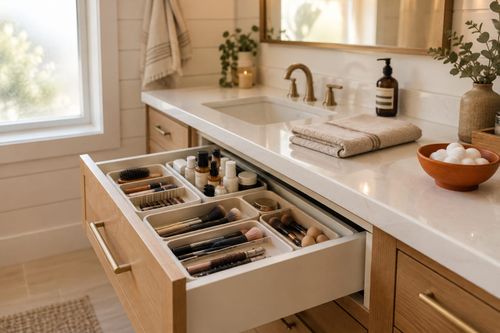
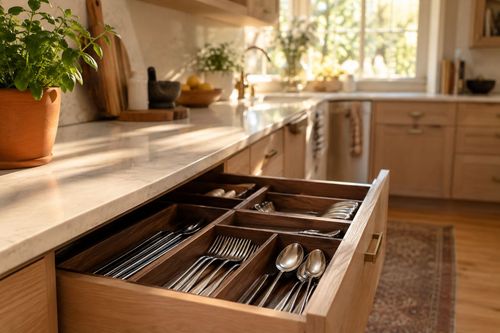
| • Drawer dividers (for snack packs, utensils) |
| • Clear, consistent labels |
| • Under-shelf baskets (maximizing vertical space) |
Organization Strategy
- Start with a clean sweep: Empty the entire pantry, check expiration dates, discard stale items, and thoroughly clean all shelves before reorganizing. This is your opportunity to start fresh.
- Create logical zones: Group similar items together—baking supplies, breakfast items, canned goods, snacks, pasta and grains. This makes locating items intuitive, even for family members who didn't do the organizing.
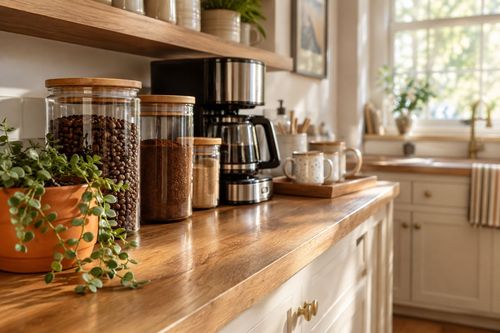
- Decant staples into containers: Transfer pantry staples like flour, sugar, pasta, and cereal into clear, airtight containers to maintain freshness, prevent pests, and create visual harmony. Maintain a consistent container style for a cohesive look.
- Implement the visibility rule: Ensure nothing gets hidden behind other items. Use tiered shelves, turntables, pull-out bins, or clear containers so every item remains visible and accessible.
- Position by frequency: Place everyday items at eye level, less-used specialty ingredients on higher shelves, and bulk or heavy items on lower shelves. Kids' snacks should go on lower shelves for independent access.
For a budget-friendly pantry makeover, start with a small section rather than investing in containers for the entire space at once. Begin with your most-used staples or the category that causes the most frustration. For container labels, consider erasable options that allow you to update as contents change, or use a label maker for a consistent, professional look. To maintain your organized pantry, implement a "first in, first out" (FIFO) system by placing newer items behind older ones and schedule a quarterly mini-reset to catch any areas that have become disorganized. Remember, the best pantry system is one your household will actually maintain.